Gazebo Ideas for Backyard: Stunning Designs to Elevate Your Outdoor Space
A backyard gazebo turns an ordinary patch of lawn into a destination. It’s the spot where morning coffee tastes better, where dinner parties spill outside, and where rainy afternoons still feel like an invitation to sit outdoors. Whether you’re working with a sprawling half-acre or a modest city lot, the right gazebo design can reshape how your family uses the yard year-round.
This guide collects 25 backyard gazebo ideas for backyard, organized by style and function, along with practical details competitors often skip—real 2026 cost ranges, permit thresholds, sizing guidance, and maintenance tips. By the end, you’ll know exactly which backyard gazebo idea fits your space, your budget, and your lifestyle.
What to Consider Before Choosing a Backyard Gazebo Idea
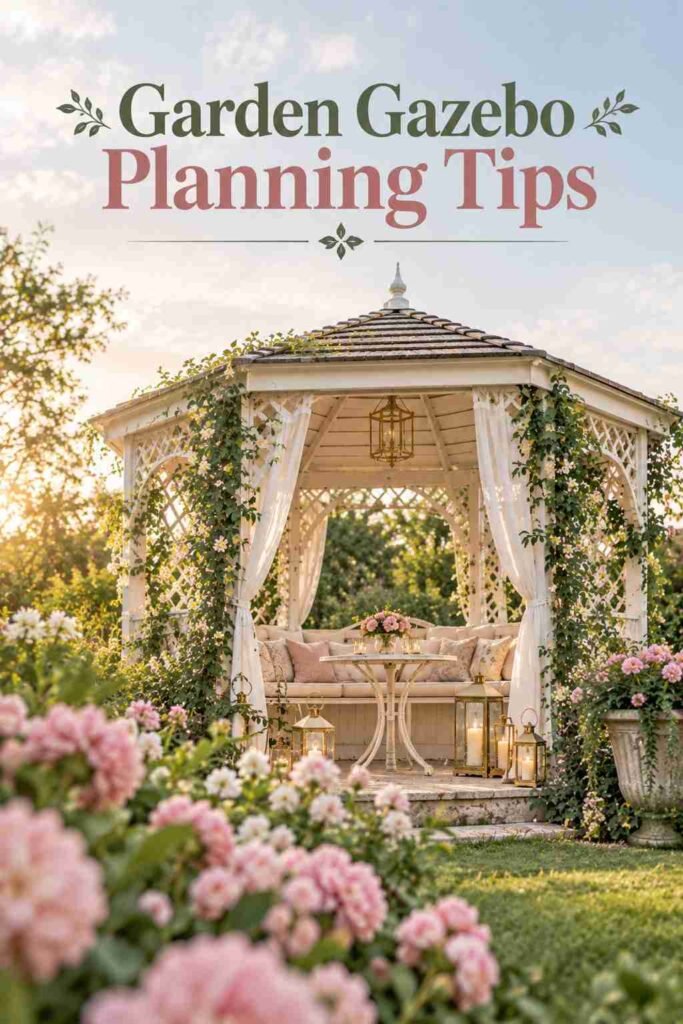
Not every gazebo style suits every yard. Before falling in love with a picture, think through three things: size, material, and purpose. A 12-by-12-foot hardtop gazebo anchors a large entertaining space beautifully but overwhelms a small urban courtyard. Wood delivers warmth and character but demands more upkeep than aluminum or vinyl. And a gazebo built for quiet reading looks very different from one designed around a grill and a round dining table.
As a rough sizing guide, an 8-by-8-foot gazebo suits a two- to four-person seating nook, a 10-by-12-foot structure comfortably fits a dining set for six, and anything 12-by-14 feet or larger works best for hosting groups or combining a lounge and kitchen zone. Matching size to actual use — rather than simply choosing the biggest option your budget allows — is the single most overlooked step in backyard gazebo planning.
25 Gazebo Ideas for Every Backyard Style
Classic and Traditional Gazebo Designs
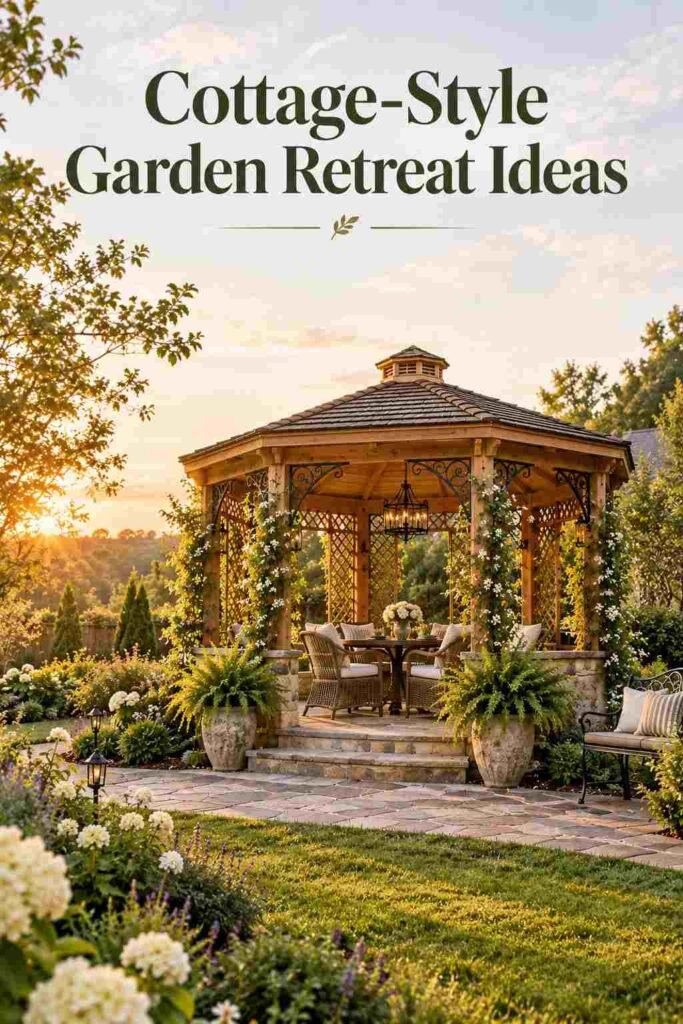
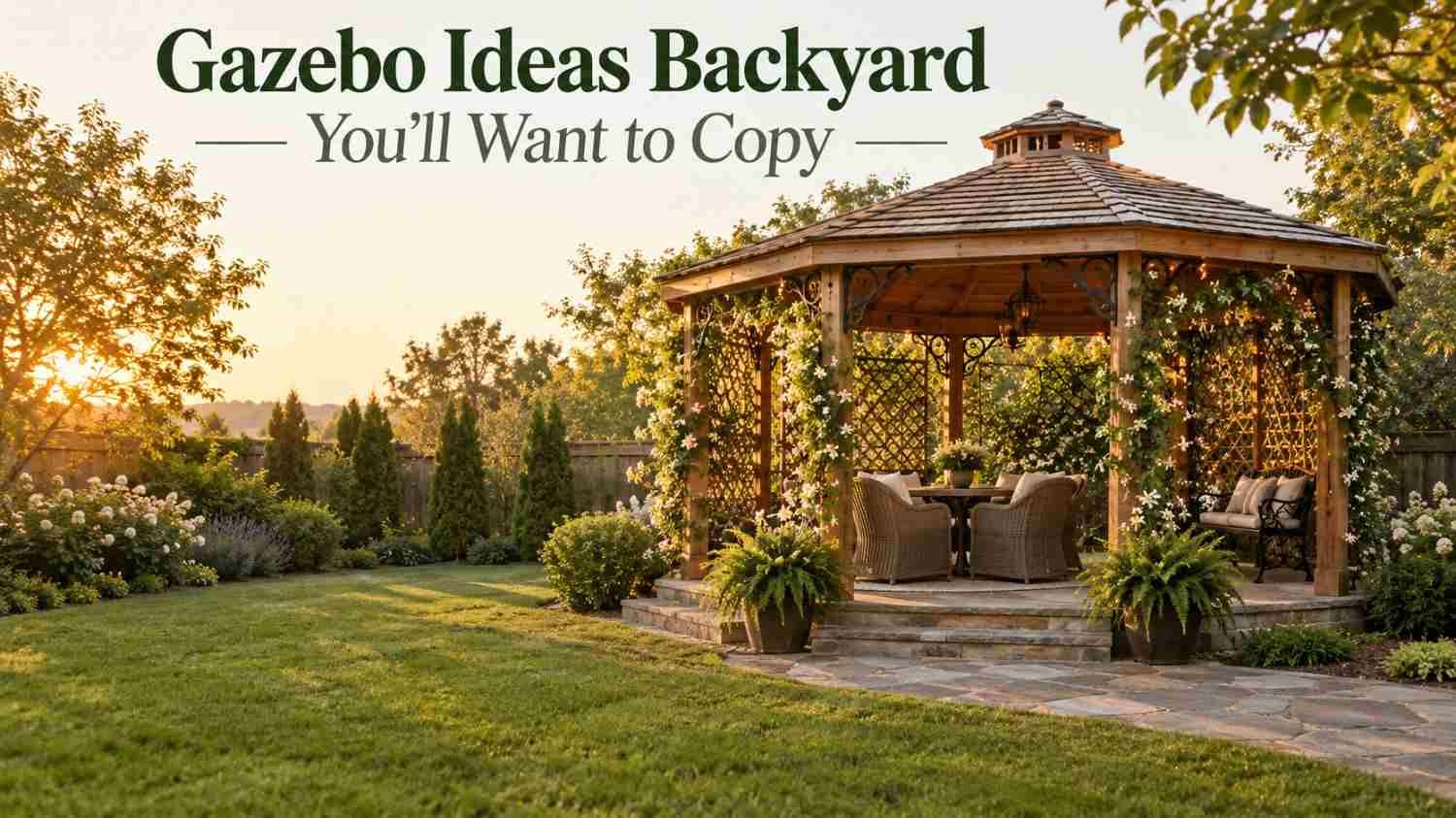
1. Octagonal wood gazebo. The eight-sided silhouette is the most recognizable gazebo shape, offering 360-degree views and a symmetrical roofline that suits formal gardens and open lawns alike.
2. Victorian-style gazebo. Ornate trim, scalloped roof edges, and decorative finials give this backyard gazebo idea a storybook quality, especially when paired with a wraparound railing.
3. Cedar pavilion gazebo. A simpler rectangular frame with exposed cedar beams creates a rustic-yet-refined look that ages into a soft silver-gray patina if left unfinished.
4. White vinyl gazebo. Low-maintenance vinyl mimics painted wood without the repainting, making it a practical choice for humid climates or busy households.
5. Copper-roofed gazebo
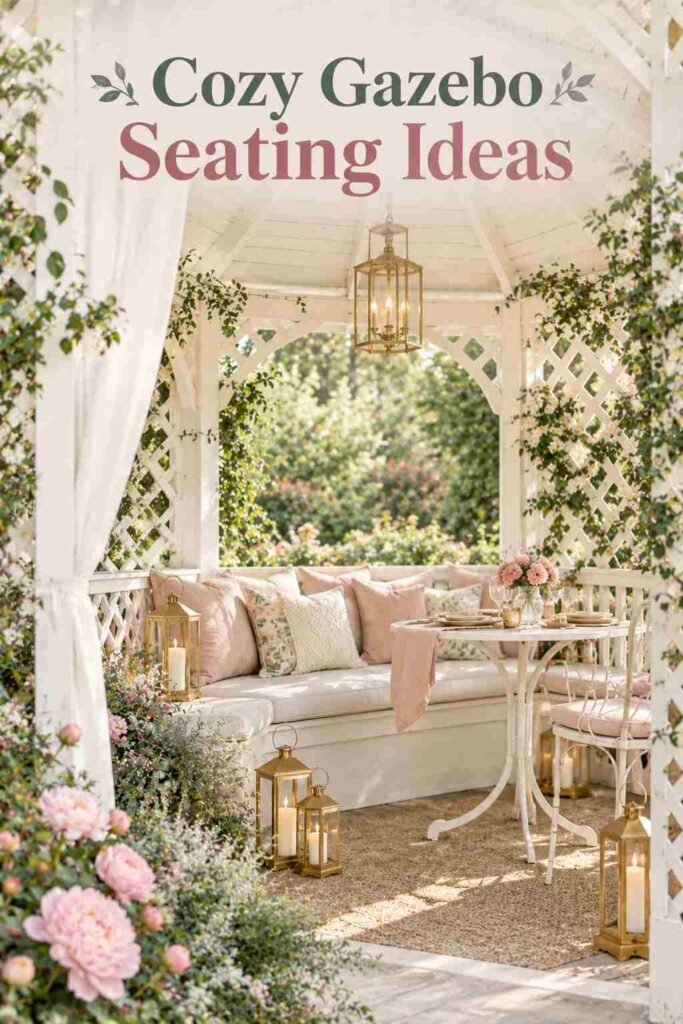
A standing-seam copper roof develops a distinctive green patina over time, turning a traditional gazebo into a genuine garden focal point.
Modern and Minimalist Gazebo Ideas
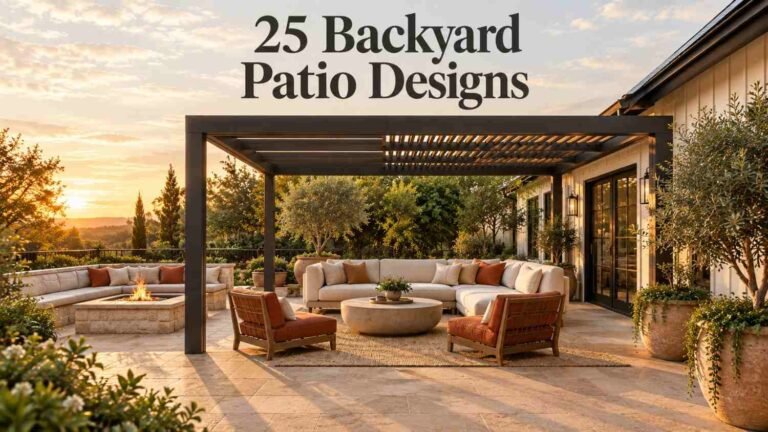
6. Black steel-frame gazebo. Slim powder-coated steel posts and a flat or slightly pitched roof give this design an architectural edge that pairs well with contemporary homes.
7. Flat-roof cantilever gazebo. Clean horizontal lines and minimal ornamentation keep the focus on the view, not the structure — ideal for modern landscaping.
8. Glass-panel gazebo. Tempered glass walls or a glass roof insert let in natural light while still blocking wind, a smart pick for four-season use.
9. Monochrome fabric gazebo
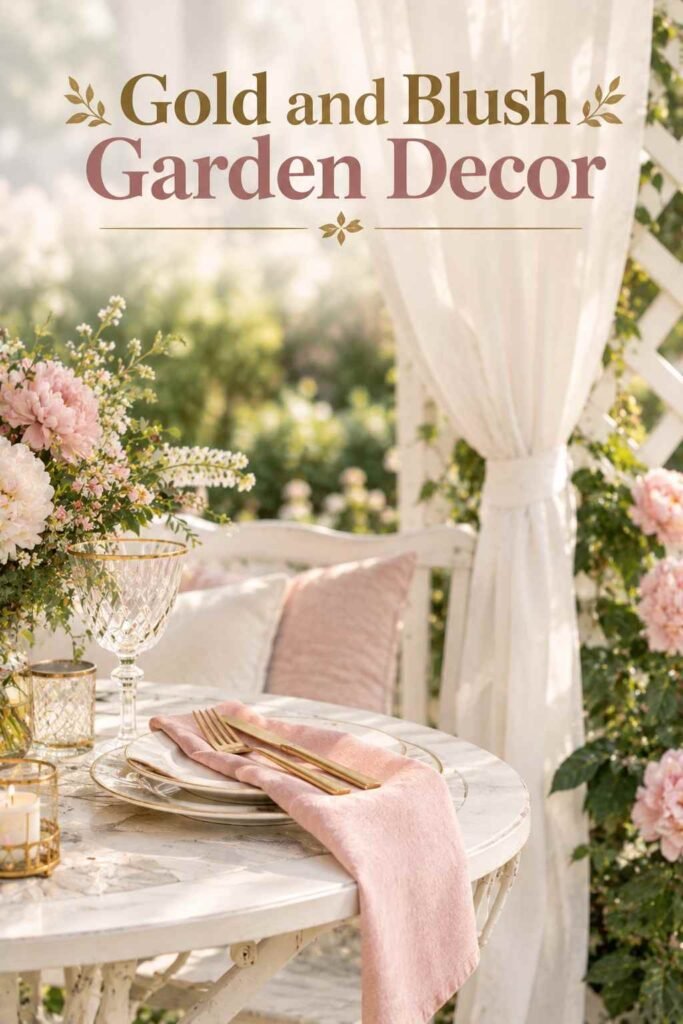
A tension-fabric canopy in charcoal, white, or sand stretched over a steel frame delivers a sculptural look at a fraction of the cost of a hardtop structure.
10. Cabana-style poolside gazebo. Straight lines, breezy curtains, and a low-profile roof echo resort cabanas, softening the transition between pool deck and lawn.
Cozy and Functional Backyard Gazebo Ideas
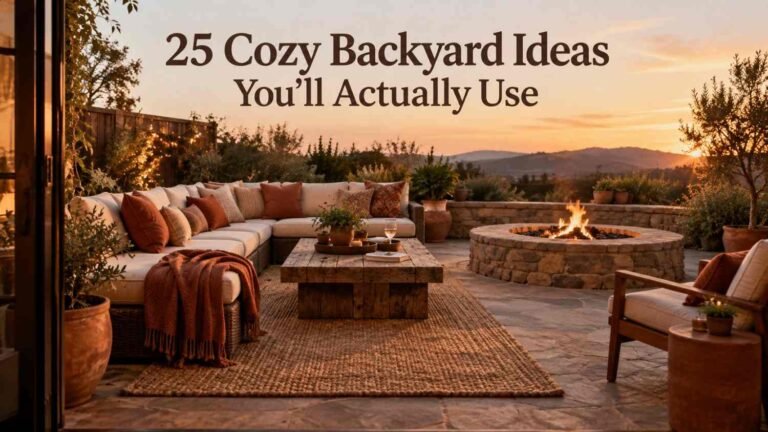
11. Fire pit gazebo. Positioning a fire pit beneath an open-lattice or high-clearance roof extends outdoor evenings well into fall, provided ventilation codes are followed.
12. Outdoor kitchen gazebo. Built-in counters, a grill station, and overhead lighting turn a gazebo into a genuine second kitchen for warm-weather cooking.
13. Dining gazebo
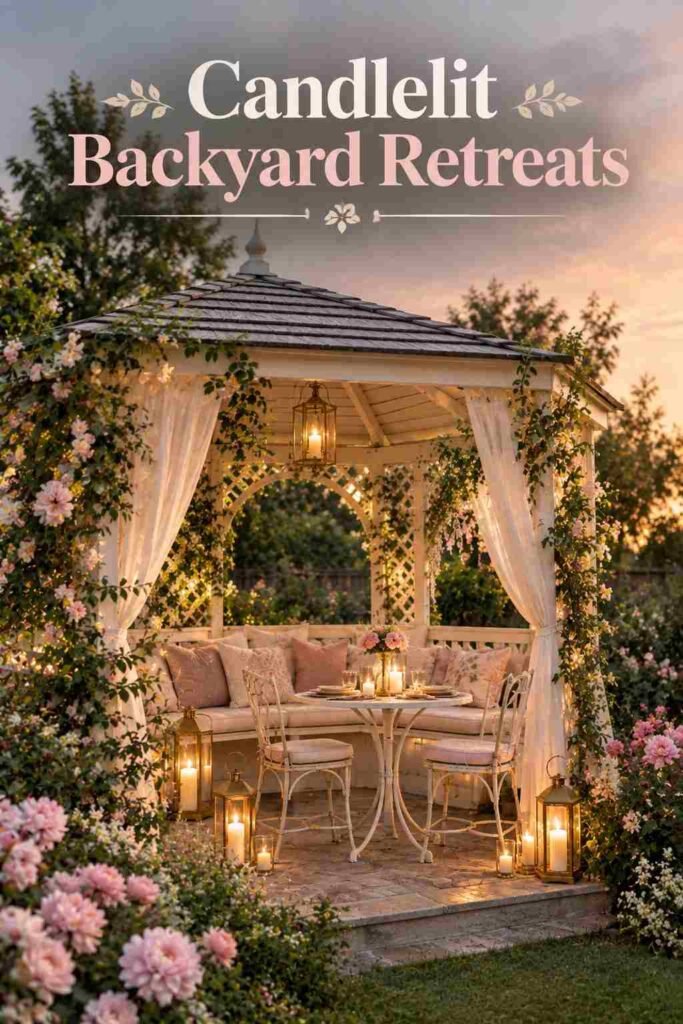
A rectangular gazebo sized around a full dining table — with string lights or a chandelier overhead — makes every meal feel like an occasion.
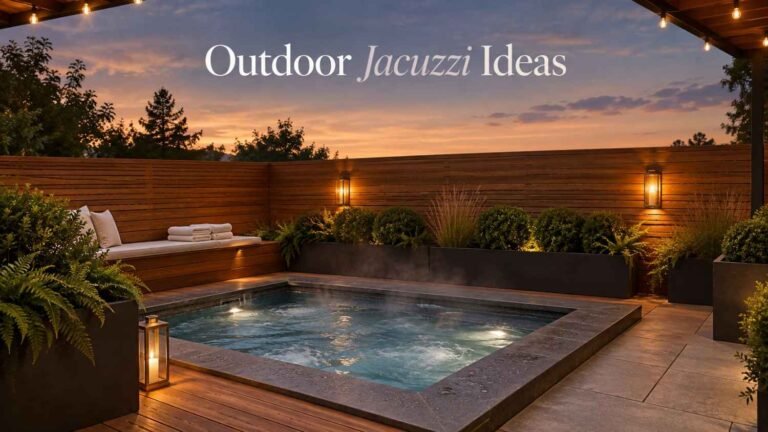
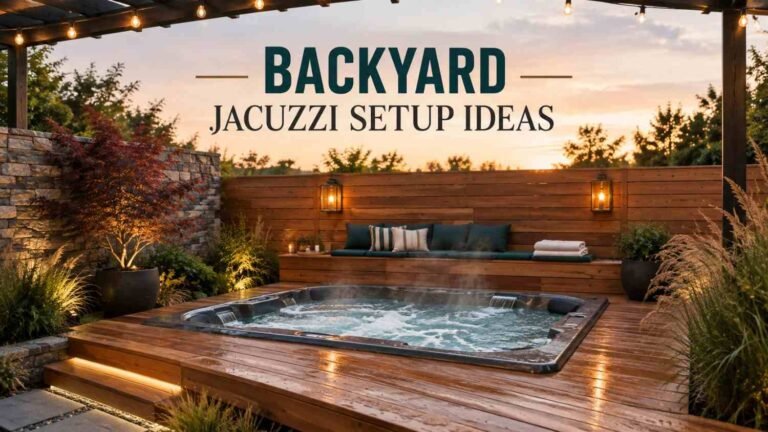
14. Hot tub gazebo. A screened or louvered-roof gazebo shelters a hot tub from leaves and rain while keeping steam and noise contained to one corner of the yard.
15. Hammock lounge gazebo
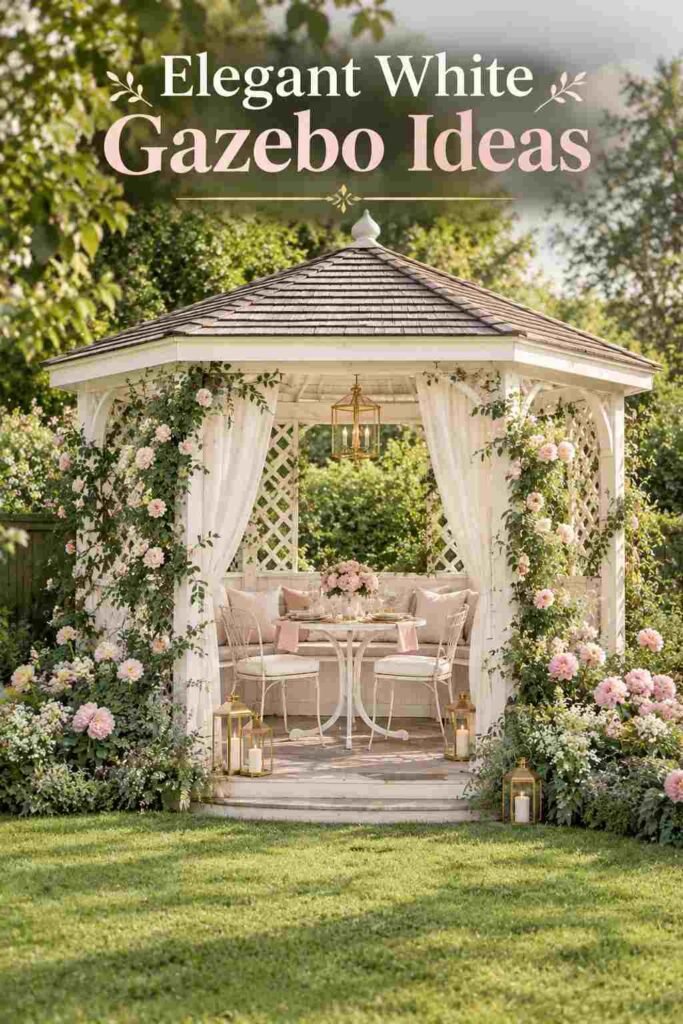
Skip furniture entirely and hang a double hammock or daybed swing from the gazebo’s roof beams for a low-effort relaxation zone.
Small-Space and Budget-Friendly Gazebo Ideas
16. Pop-up screened gazebo. A portable, no-tool-assembly canopy is the fastest way to test whether a backyard gazebo idea works for your space before committing to a permanent build.
17. Corner gazebo for small yards
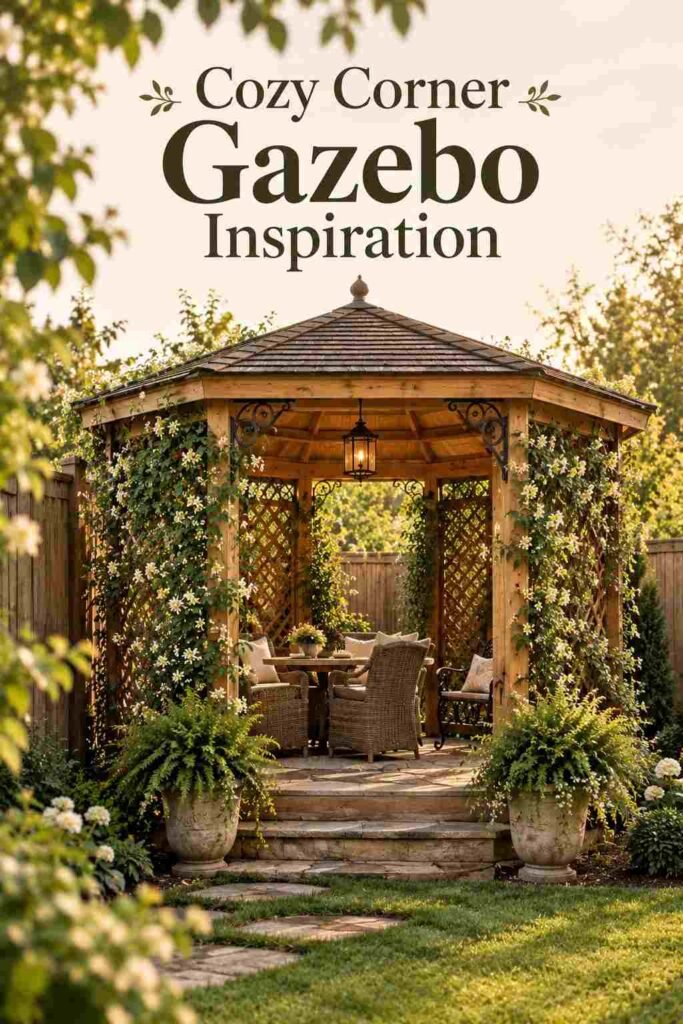
Tucking a hexagonal or triangular-footprint gazebo into a property corner maximizes usable lawn space elsewhere.
18. Pergola-gazebo hybrid. A partially roofed structure — solid on one end, open lattice on the other — gives some weather protection without fully shading the yard, and it costs noticeably less than a full hardtop gazebo.
19. DIY kit gazebo. Pre-cut lumber kits let homeowners build a 10-by-10-foot gazebo in a weekend, cutting labor costs significantly compared with a custom build.
20. Repurposed pallet gazebo
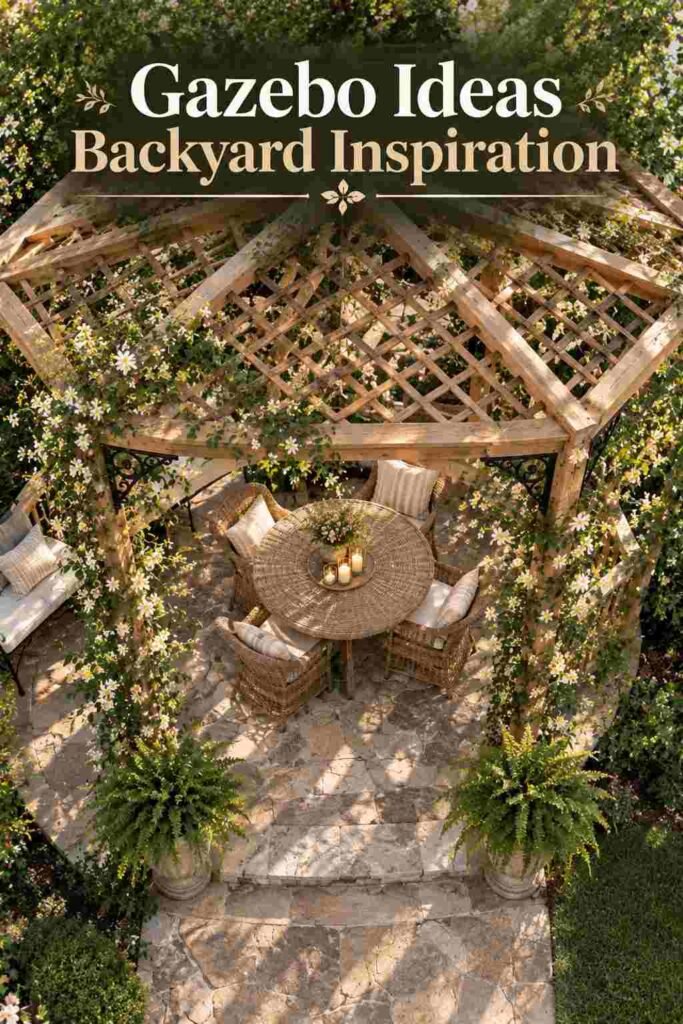
Reclaimed wood pallets, sanded and stained, create an eco-conscious, budget-friendly gazebo frame that pairs surprisingly well with a canvas or metal roof.
Nature-Inspired and Unique Backyard Gazebo Themes
21. Asian-inspired pagoda gazebo
Upturned roof corners and dark lacquered wood bring a serene, meditative quality to a backyard gazebo, especially near a koi pond or zen garden.
22. Rustic log cabin gazebo. Thick round timbers and a stone or gravel base suit mountain properties and wooded lots.
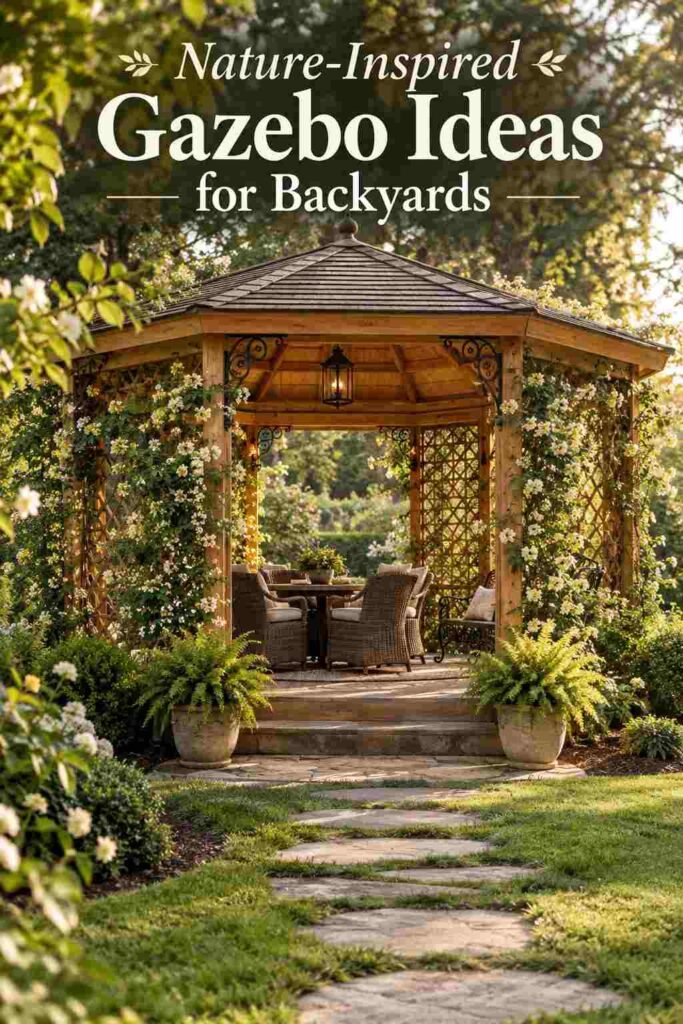
23. Garden trellis gazebo
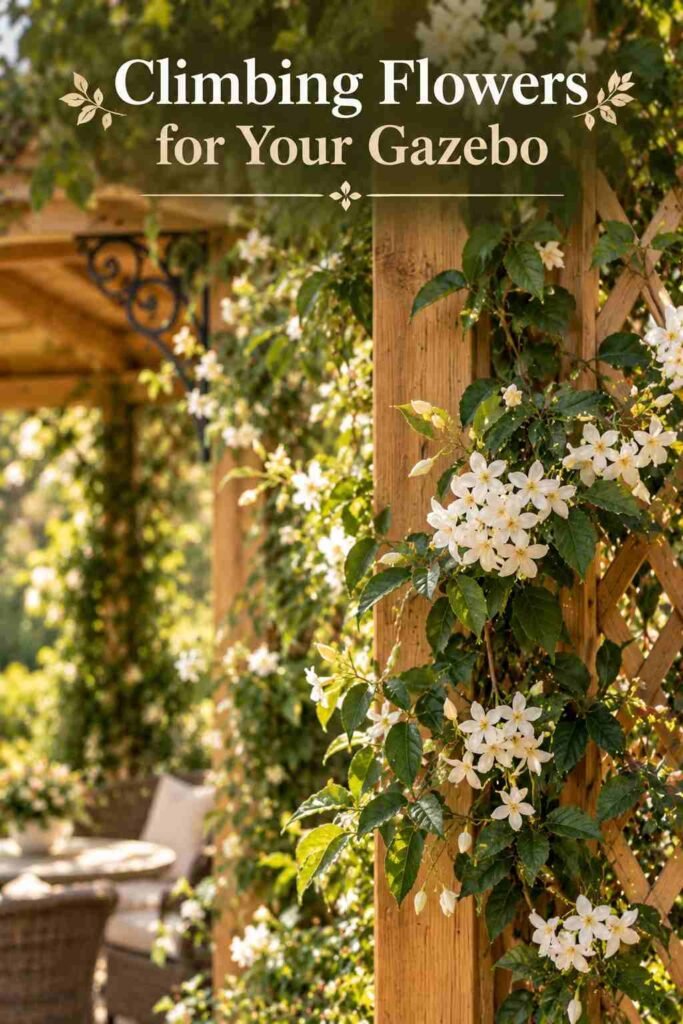
Lattice walls designed for climbing jasmine, wisteria, or clematis turn the gazebo into a living, blooming structure by its second summer.
24. Lighted string-light gazebo. Wrapping the roofline and posts in warm-white string lights or solar lanterns makes any gazebo design feel inviting after sunset.
25. Sunken-patio gazebo. Building the gazebo over a slightly recessed stone or paver patio creates a natural sense of enclosure and separates the space visually from the rest of the lawn.
How Much Does a Backyard Gazebo Cost in 2026?
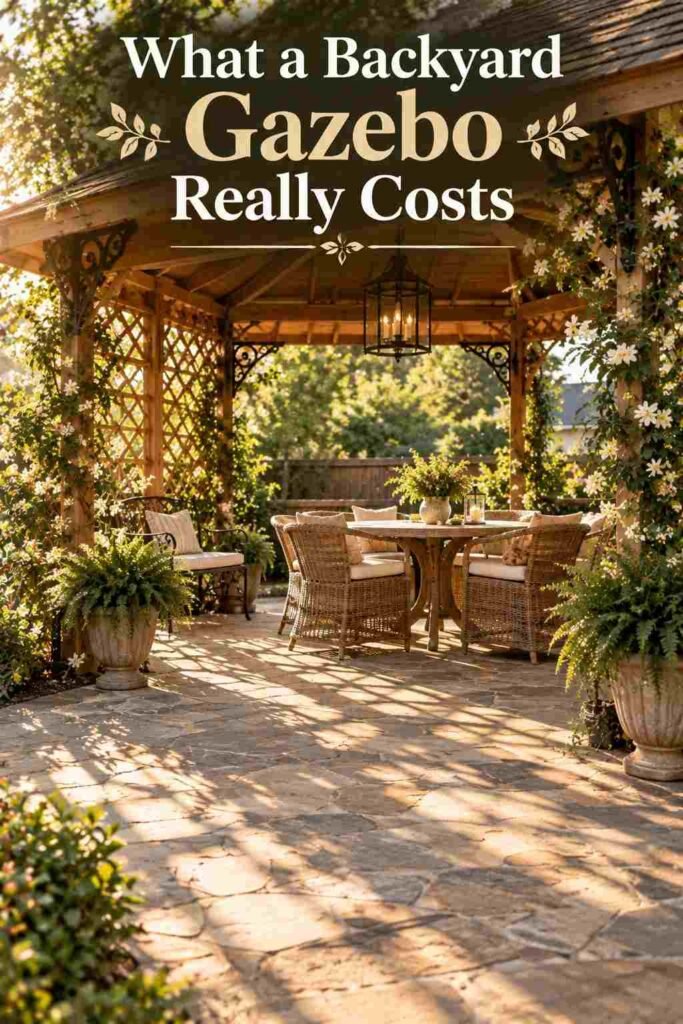
Budget shapes which of these backyard gazebo ideas is realistic, so it’s worth grounding expectations in current numbers. Most homeowners spend between $1,815 and $8,246 building a gazebo, with the average project landing around $5,030, though total costs can range from $400 up to $17,000 depending on size and materials. Materials alone typically run $1,580 to $7,866, and shape matters — complex designs like octagons can cost double or triple a simpler rectangular structure.
Pre-built kits sit at the affordable end, while custom carpentry and premium materials like cast iron or vinyl push costs higher. A simple pop-up or fabric-canopy gazebo can cost a few hundred dollars, a mid-size wood or steel kit often lands in the low-to-mid thousands, and a fully custom hardtop gazebo with electrical and built-in features can exceed $15,000. Getting two or three local quotes before committing to a design is the most reliable way to avoid budget surprises.
Do You Need a Permit for a Backyard Gazebo?
Permit rules vary by city and county, but there are common patterns worth knowing before you pour a foundation. A freestanding gazebo under your city’s size limit — usually 120 to 200 square feet — and under its height limit, often 12 to 15 feet, generally does not need a building permit. Because a gazebo is roofed by definition, it typically can’t claim the lighter-weight exemptions that open, non-roofed pergolas sometimes qualify for.
Beyond size and height, permanence matters. A gazebo anchored with a poured concrete footing is almost always treated as a permanent structure requiring approval, while a gazebo resting on the surface without deep anchoring may qualify as temporary. If your property has an HOA, check its rules separately — most municipalities require compliance with local building codes regardless of HOA sign-off. When in doubt, a quick call to your local building department before construction saves far more time than an after-the-fact correction.
Gazebo Maintenance Tips to Keep It Looking New
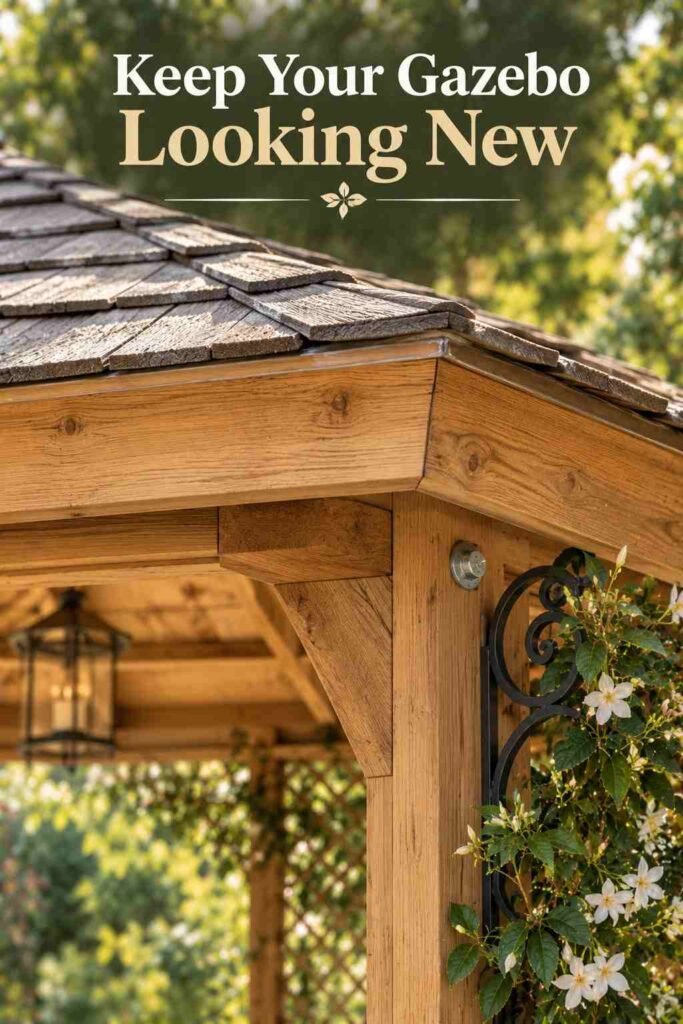
A gazebo is a long-term investment, and small maintenance habits protect that investment. Wood structures benefit from resealing or restaining every one to two years, especially in humid or sun-heavy climates, to prevent warping and fading. Metal frames should be checked periodically for rust at joints and bolts, particularly in coastal areas where salt air accelerates corrosion.
Fabric and canopy roofs need occasional washing with mild soap to prevent mildew buildup, and it’s worth retracting or removing them ahead of major storms. Gutters, if installed, should stay clear of leaves so water drains away from the foundation rather than pooling around posts. A few minutes of seasonal inspection catches loose fasteners or minor rot long before they become structural problems.
Gazebo vs. Pergola: Which Fits Your Backyard Better?
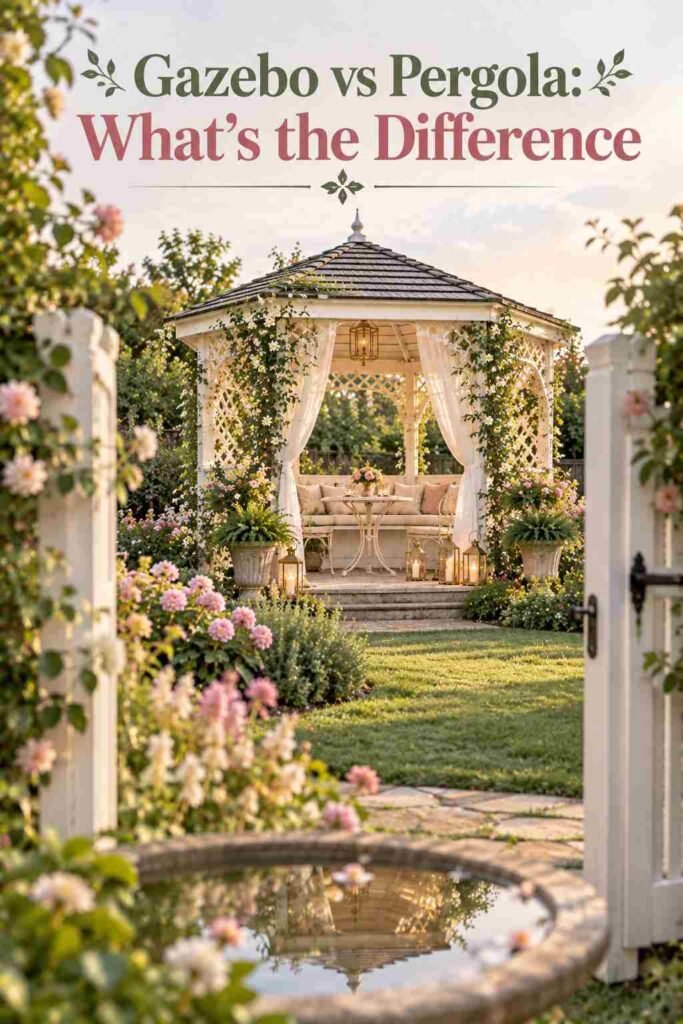
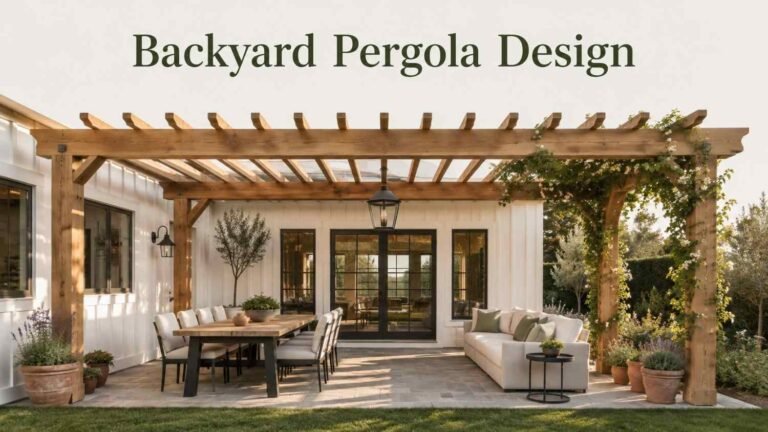
Gazebos and pergolas often get lumped together, but they serve different purposes. A gazebo has a solid, weatherproof roof and typically stands as a freestanding structure, making it the better choice for full sun or rain protection. A pergola, by contrast, has an open or partially slatted roof designed to filter light rather than block it entirely, and it often attaches to the house. If you’re weighing both options for your yard, a closer look at Backyard Pergola Design can help clarify which structure matches your climate and how you plan to use the space.
Bringing It All Together
The right backyard gazebo idea depends less on trends and more on how you actually plan to use the space — dining, lounging, cooking, or simply sitting somewhere shaded. Whether you choose a classic octagonal wood build, a minimalist steel-and-fabric canopy, or a budget-friendly DIY kit, matching size, material, and permit requirements to your yard sets the project up to succeed from day one. For more inspiration on furnishing and styling the space once it’s built, browse these Cozy Outdoor Backyard Ideas, and for a broader look at pulling an entire outdoor living area together, Outinteriors offers additional design guidance worth exploring.
Frequently Asked Questions
1. What is the most popular gazebo shape for backyards?
Octagonal and rectangular gazebos remain the most common choices because they offer flexible furniture layouts and suit both formal and casual landscaping.
2. How much does a small backyard gazebo cost?
A simple pop-up or small kit gazebo can cost a few hundred to around $2,000, while larger custom builds climb well into the thousands depending on materials and site work.
3. Do all backyard gazebos require a permit?
Not always. Many cities exempt gazebos under roughly 120 to 200 square feet and under 12 to 15 feet in height, but permanent foundations often trigger permit requirements regardless of size.
4. What’s the best material for a low-maintenance gazebo?
Vinyl and powder-coated aluminum or steel require the least upkeep, since they resist rot, warping, and rust better than untreated wood.
5. Can a gazebo be built on an existing patio or deck?
Yes, provided the surface can support the structure’s weight and local codes allow it. Attaching to a deck may also change permit requirements, so it’s worth confirming beforehand.
6. How long does a typical gazebo last?
A well-maintained wood gazebo can last 15 to 20 years, while vinyl and metal structures often last 20 years or more with minimal upkeep.
7. What size gazebo fits a small backyard?
An 8-by-8-foot or 10-by-10-foot gazebo generally works well for smaller yards, offering enough room for a small seating or dining set without overwhelming the space.