Sunroom Den Ideas: Turn Glass Space Into Cozy, Modern, and Four-Season Designs
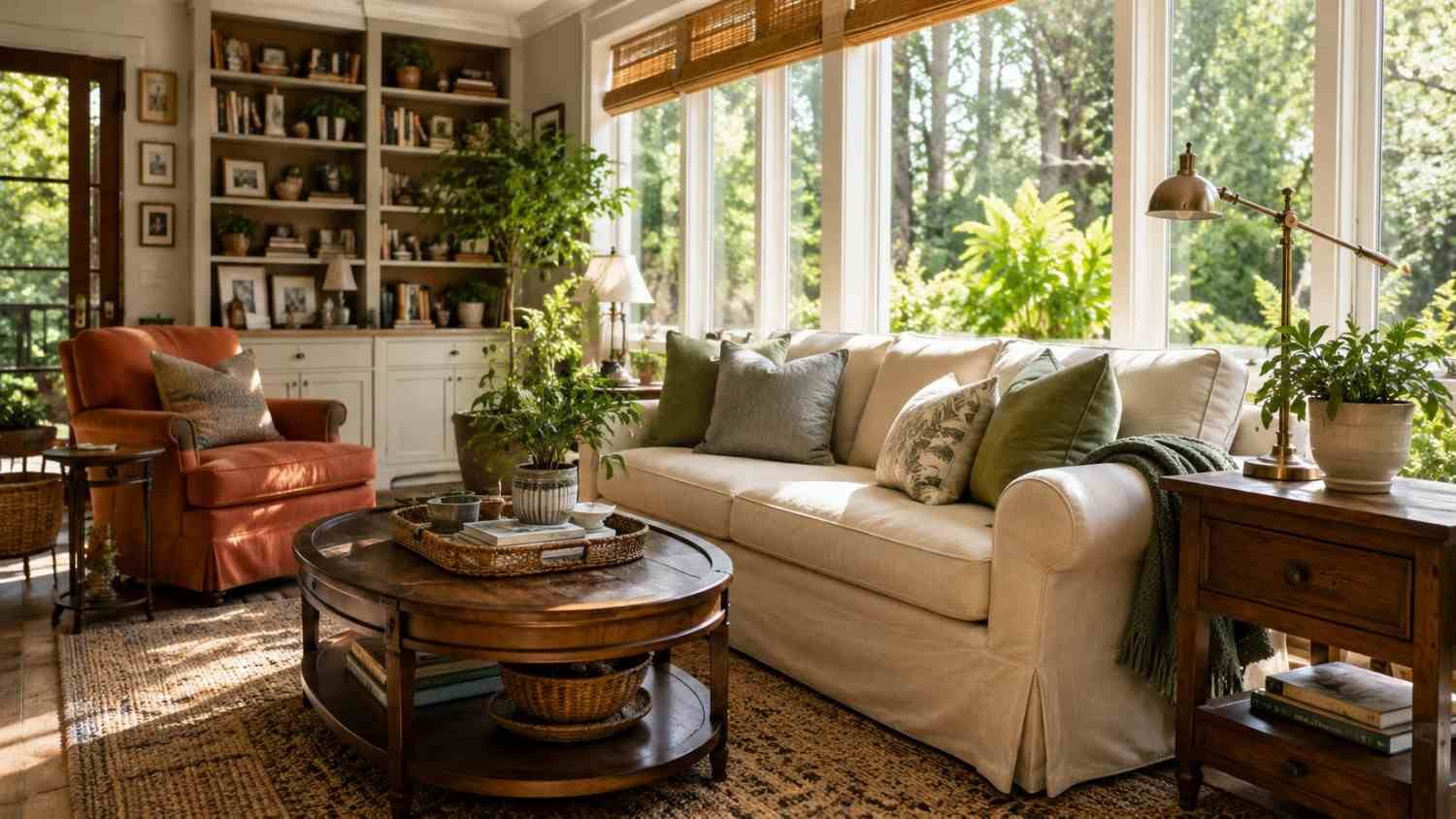
Most sunrooms start with big ambitions and end up as glorified storage closets, a treadmill nobody uses, a stack of holiday boxes, a plant that died in July. A sunroom den Ideas flips that story. Instead of a room you walk past, it becomes the spot where you actually want to sit: coffee in hand, sunlight on your shoulders, no screens required. Whether your space is a drafty three-season porch or a fully glazed four-season addition, the right layout, furniture, and finishes can turn it into the most-used room in the house. Below are 26 practical, real-world ideas organized by style and function — plus the planning details most guides skip entirely.
What Is a Sunroom Den, Exactly?
A sunroom den is simply a sunroom designed and furnished for daily living rather than seasonal decoration. Where a traditional sunroom might function as a plant conservatory or a formal sitting area used a few times a year, a sunroom den is built for lounging, reading, working, or entertaining on a regular basis. That distinction matters because it changes the design brief. A den needs comfortable, durable seating, good lighting for evenings, and enough insulation to feel usable in more than just peak summer. Sunrooms themselves have old roots — versions of these glass-walled rooms date back to Medieval Italy, where they were originally built to protect botanical specimens brought back from overseas expeditions. The concept has since evolved from a space for incubating plants into a relaxing retreat for people instead.
Planning a Sunroom Den for Year-Round Comfort
Before picking furniture, address the bones of the room. A sunroom den only earns its keep if it’s usable in more than one season, so glazing and airflow matter as much as decor. Low-E (low-emissivity) glass blocks a meaningful share of UV rays and heat transfer, which keeps the space cooler in summer and warmer in winter without sacrificing light. If your sunroom already exists but feels like an oven in July or an icebox in January, retrofitting solar shades or adding a ceiling fan can solve most of the discomfort without a full renovation.
Flooring also deserves attention early. Tile, sealed concrete, and engineered wood all handle temperature swings and direct sun better than solid hardwood, which can warp or fade unevenly over time. Pair harder flooring with a washable area rug so the room still feels warm underfoot. Getting these fundamentals right first means every idea below will actually hold up, rather than looking good in a photo and falling apart within a year.
26 Sunroom Den Ideas for Every Style and Budget
Cozy, Traditional Sunroom Den Ideas
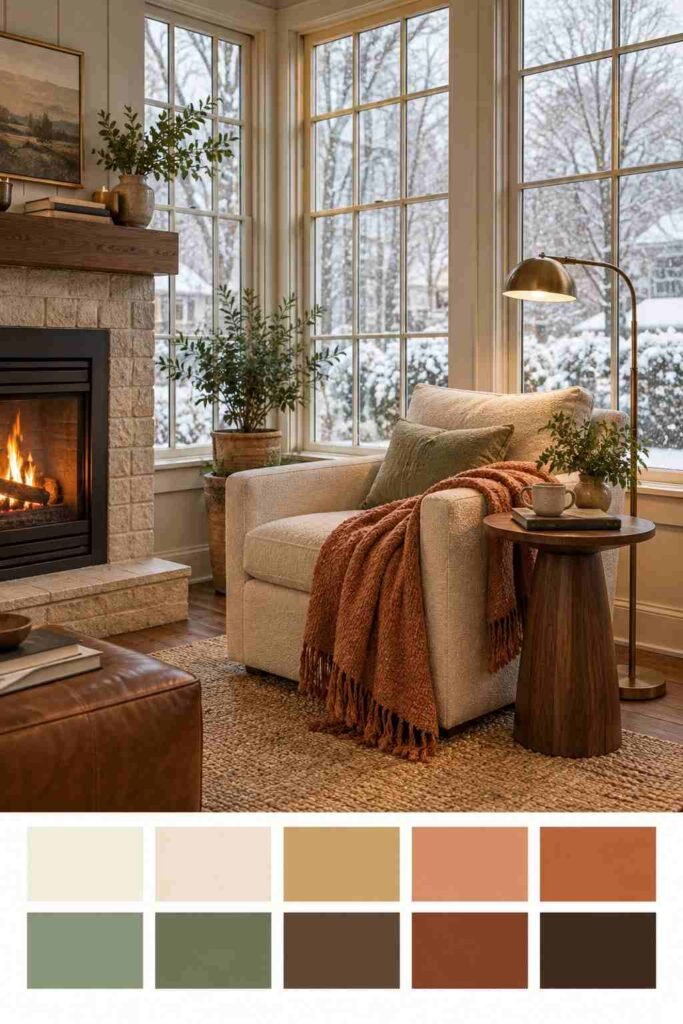
1. The cozy reading corner.
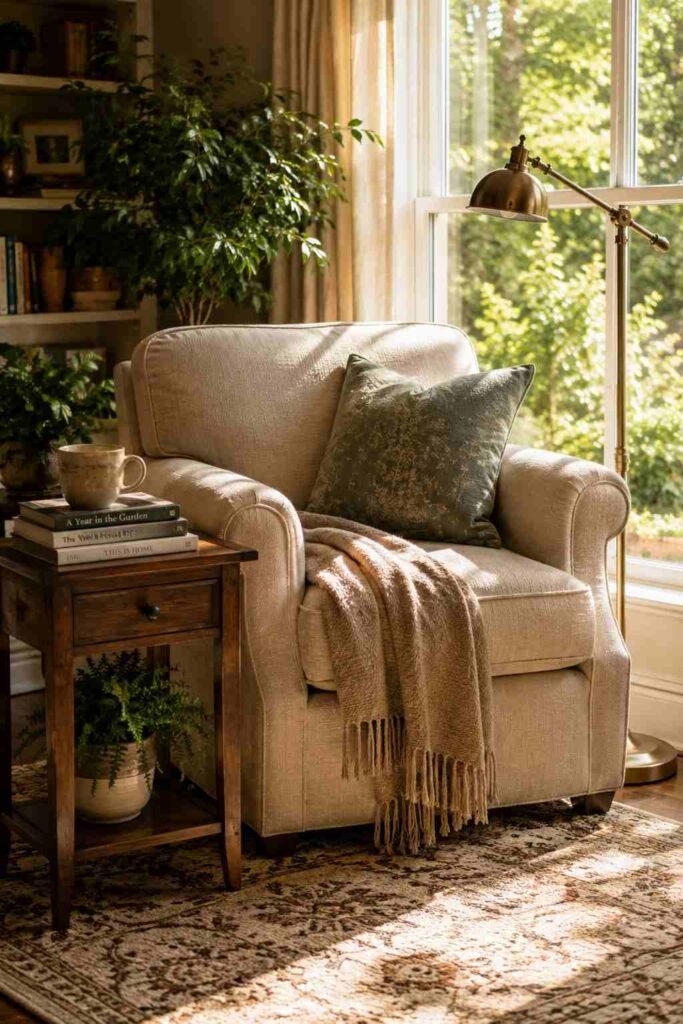
A deep armchair, a floor lamp, and a small side table are all it takes to create a dedicated reading nook that feels intentional rather than leftover.
2. Built-in window seat.
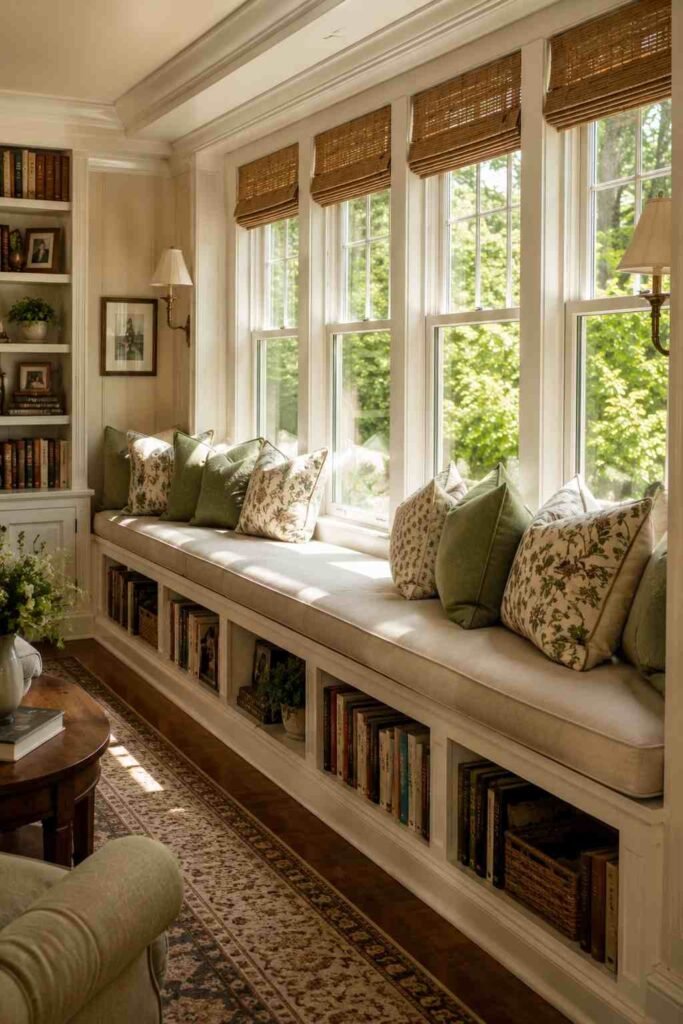
Adding cushioned bench seating along a window wall maximizes seating without crowding the floor, ideal for a sunroom den with limited square footage.
3. Layered textiles

Throw blankets, patterned pillows, and a wool or jute rug add warmth to a glass-heavy room that can otherwise feel sterile.
4. Wood-beam ceiling accents
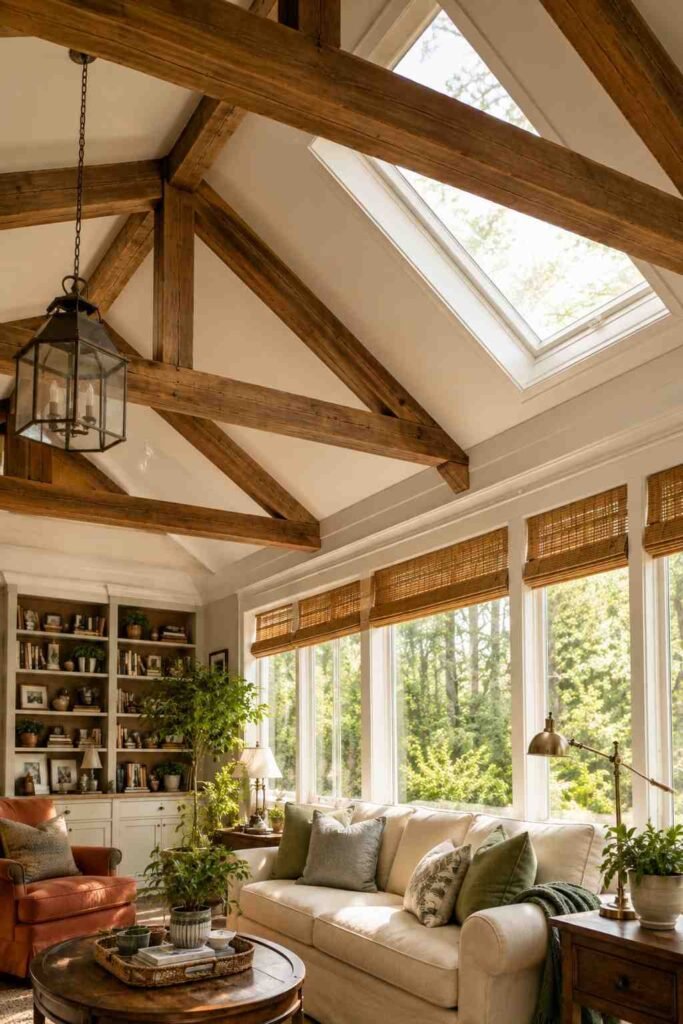
Exposed or added beams soften the look of an all-glass structure and tie the den back to the rest of the home’s architecture.
5. Vintage wicker seating
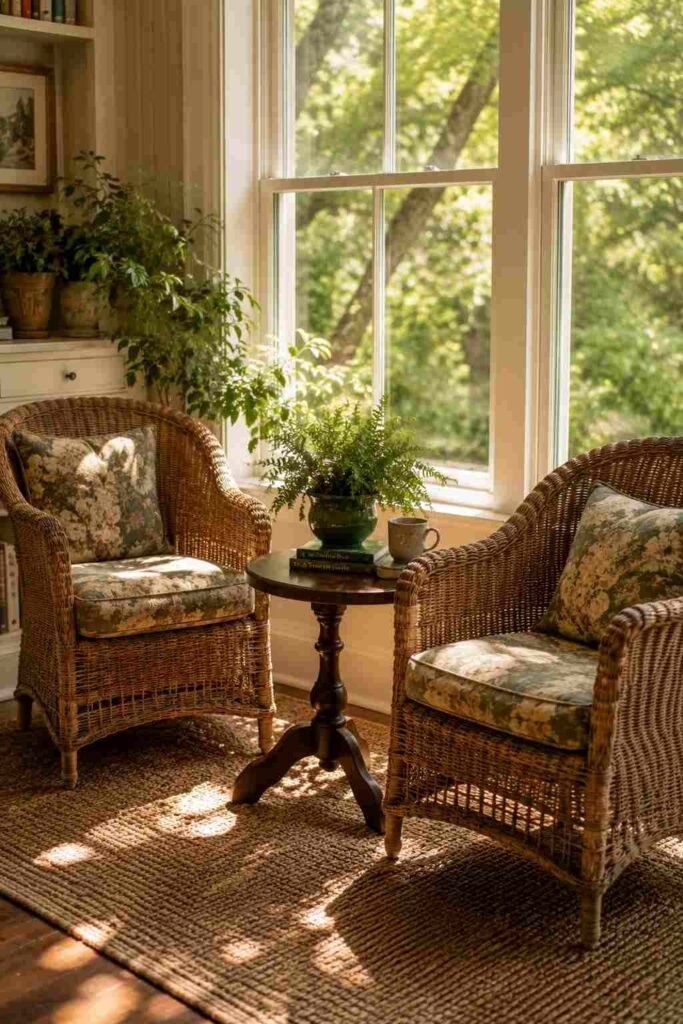
Classic wicker or rattan chairs bring texture and a lived-in, collected feel that suits a traditional den better than sleek modern pieces.
Modern, Minimalist Sunroom Den Layouts
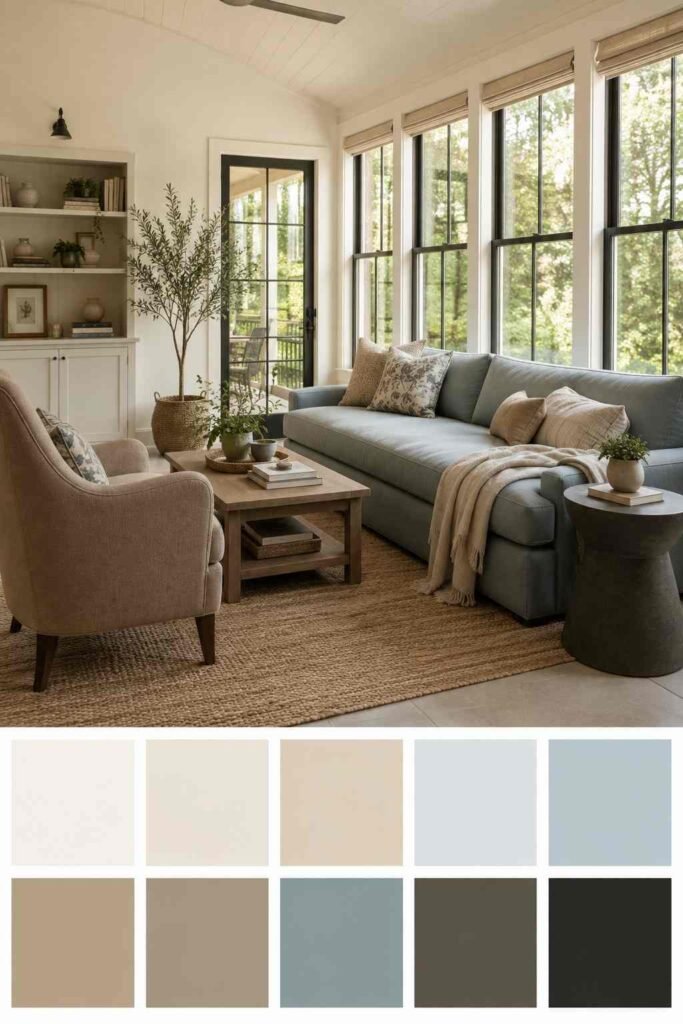
6. Monochrome palette. Sticking to two or three neutral tones keeps a glass-walled room feeling calm rather than visually busy.
7. Low-profile furniture
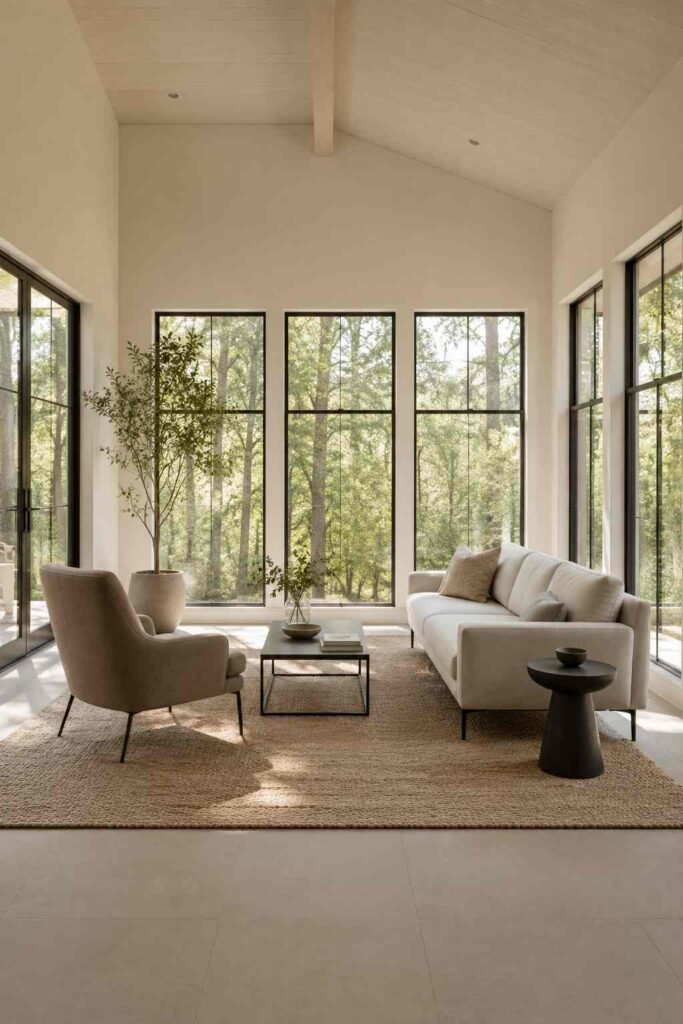
Streamlined sofas and chairs with slim legs let the windows, not the furniture, stay the visual focus.
8. Statement pendant lighting
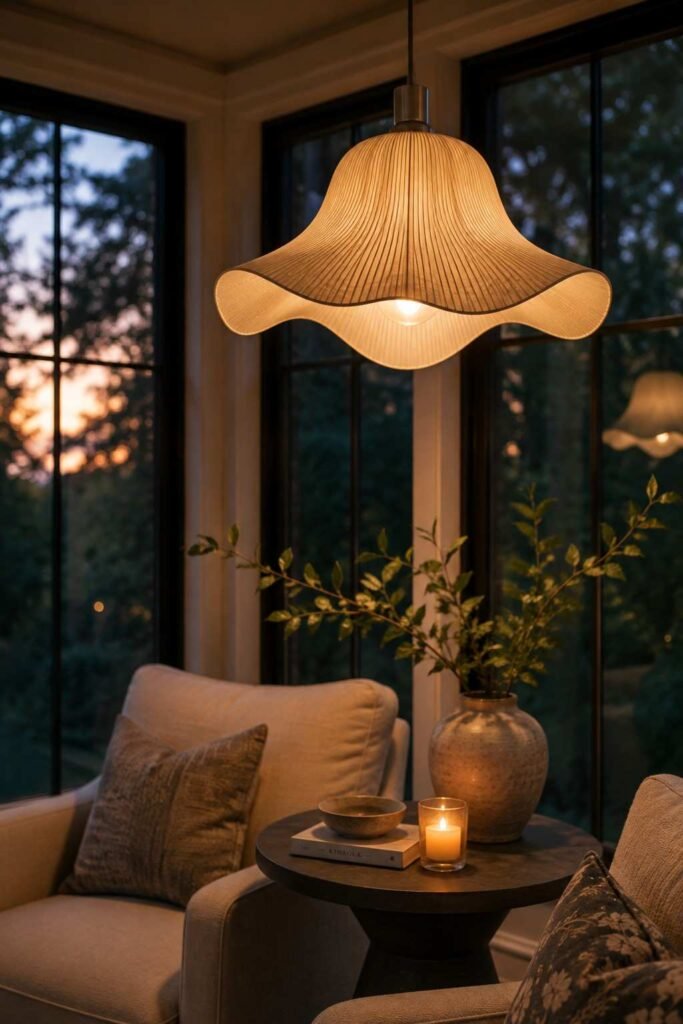
A single sculptural light fixture adds personality to a sunroom den without cluttering the space.
9. Concealed storage benches. Built-in seating with hidden storage keeps a minimalist den free of visible clutter.
10. Indoor-outdoor sliding doors
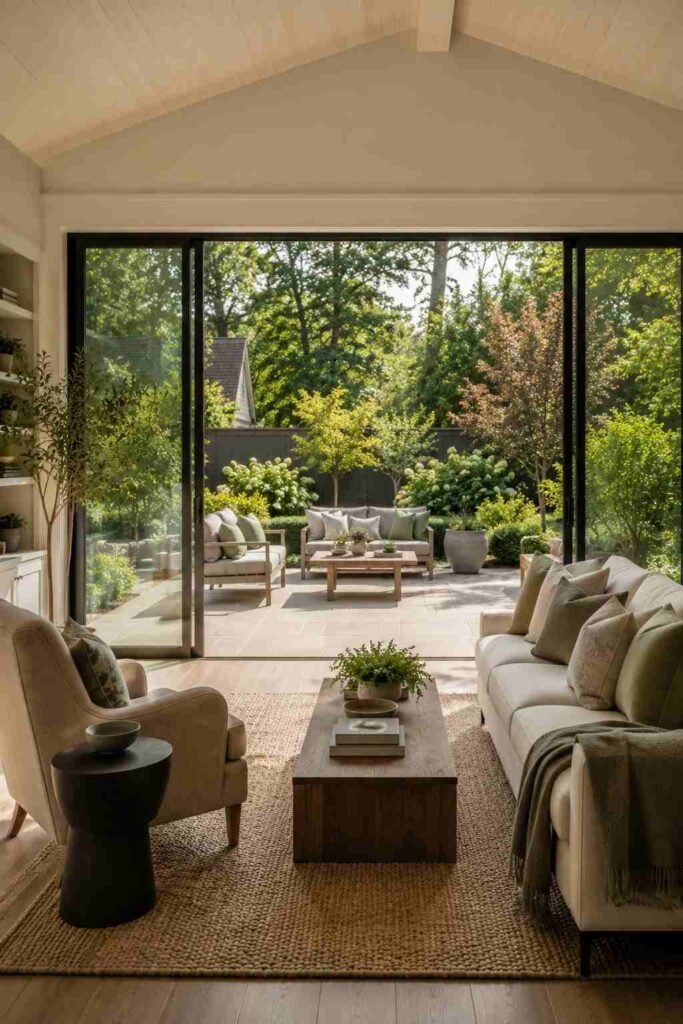
Full-width sliders blur the line between the den and the backyard, which is especially effective in warmer states.
Nature-Connected Sunroom Den Ideas
11. Mini indoor garden
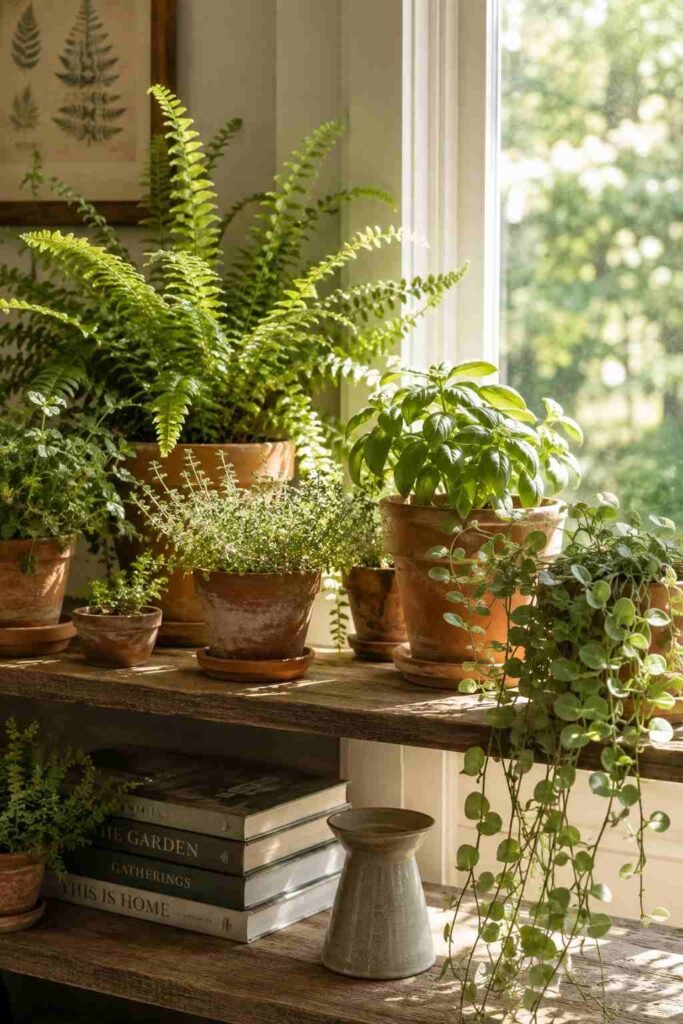
Group potted herbs, ferns, and trailing plants near the sunniest window to make the most of natural light.
12. Botanical wallpaper or fabric

Leaf or floral patterns on one accent wall or on throw pillows reinforce the indoor-outdoor connection.
13. Natural fiber rugs
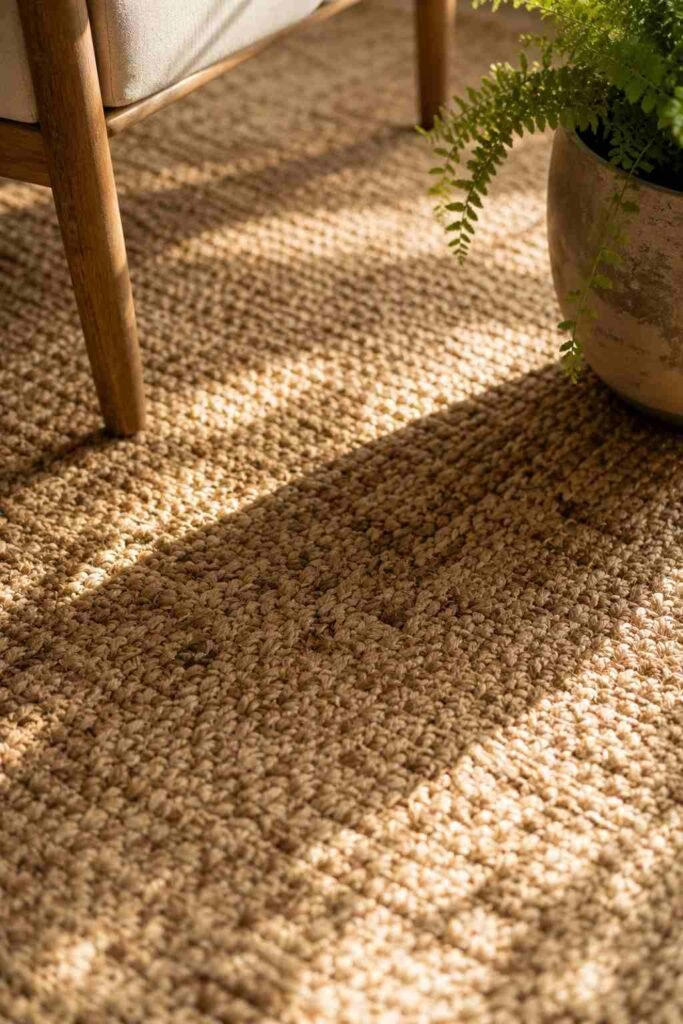
Sisal, seagrass, or jute flooring options are durable in sunlight and echo the outdoor materials just beyond the glass.
14. Hanging rattan chair
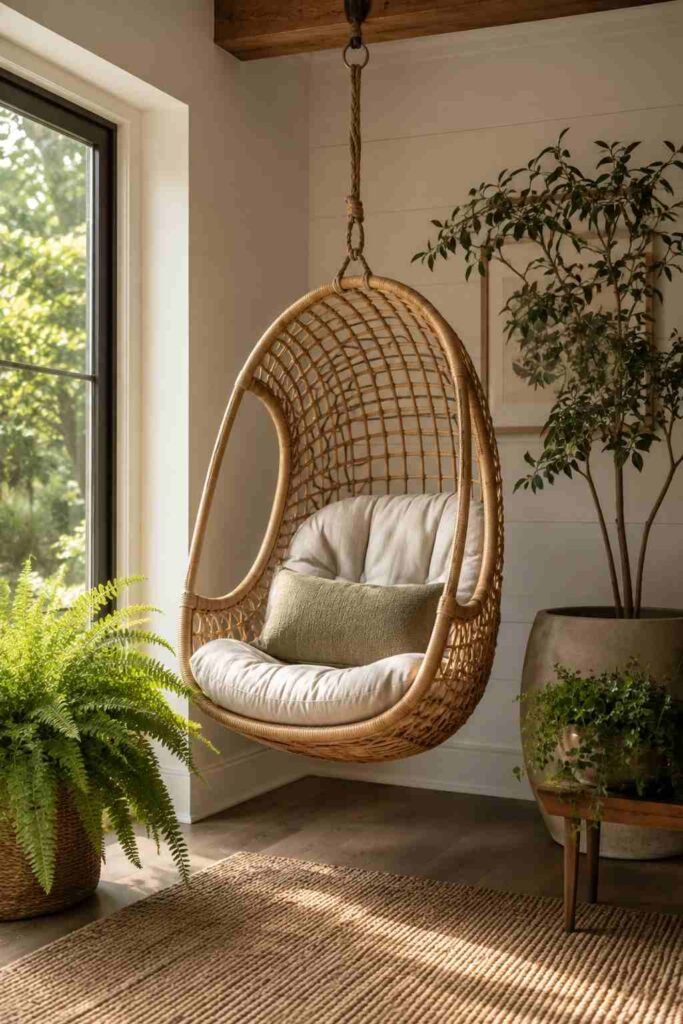
A suspended chair in the corner adds a playful, nature-inspired seating option that doesn’t take up floor space.
15. Skylight or clerestory windows
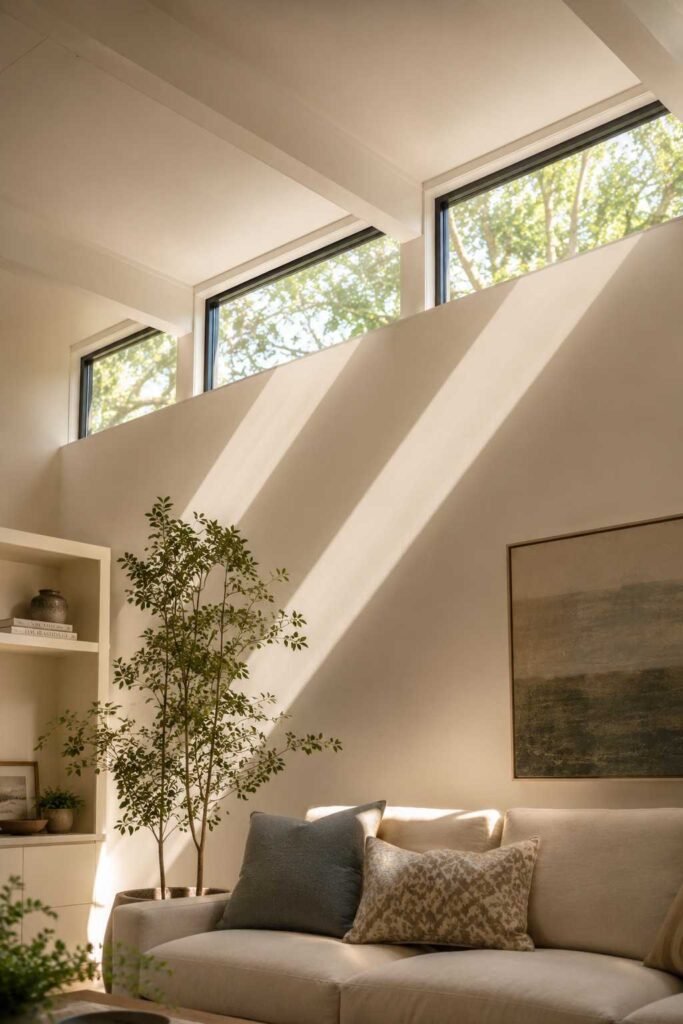
Adding upper-level glazing brings in extra daylight while preserving wall space for furniture below.
Multi-Purpose Sunroom Den Ideas
16. Den-slash-home-office
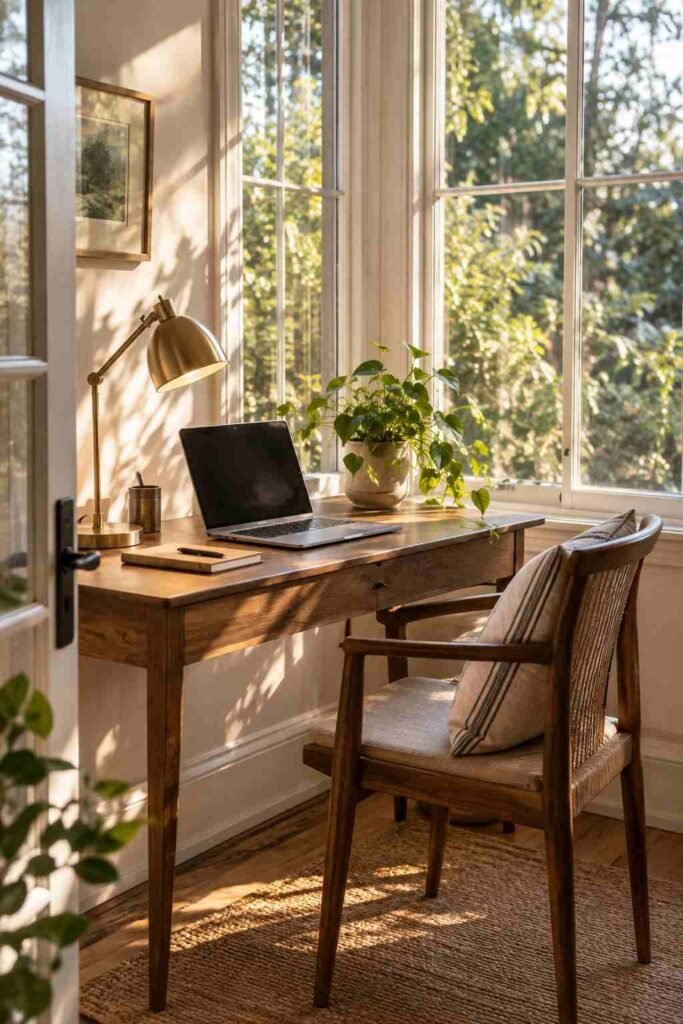
A small desk tucked into one corner turns the space into a work-from-home spot with better light than most bedrooms-turned-offices.
17. Dining nook combo
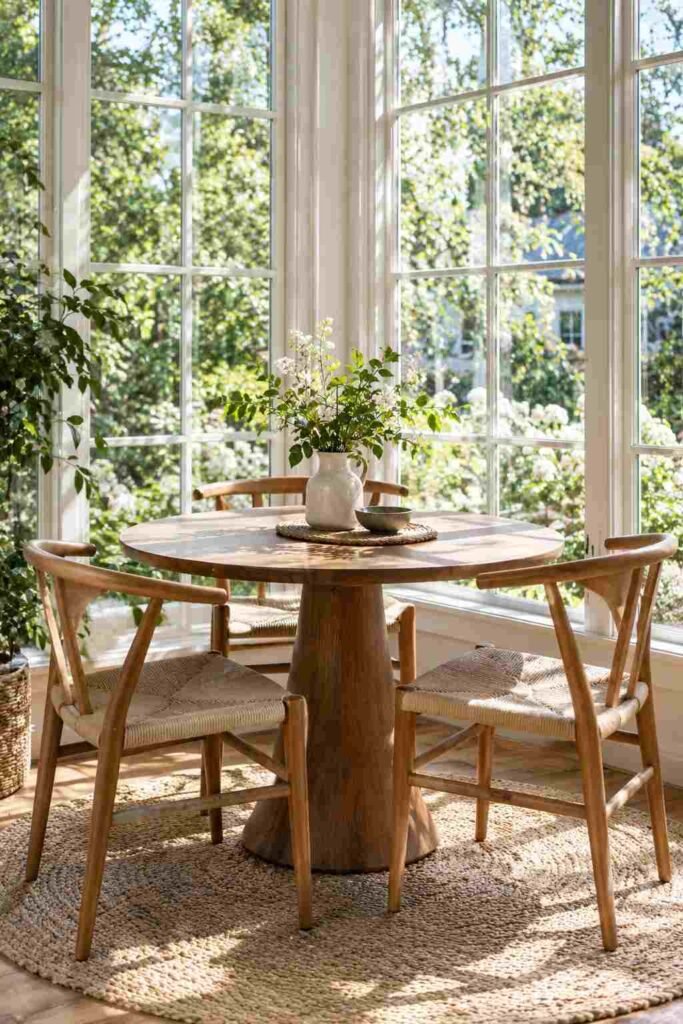
A round table with two or three chairs works well in a sunroom den that also needs to host casual meals.
18. Media-free lounge zone. Designating one corner as a phone-free reading or meditation spot keeps the den’s original purpose intact even as other uses get added.
19. Craft or hobby station. A dedicated table for painting, sewing, or puzzles takes advantage of the natural light that’s harder to get elsewhere in the house.
20. Pet-friendly corner. A durable, washable dog bed near a window lets pets enjoy the sunroom den right alongside the family.
Small-Space Sunroom Den Solutions
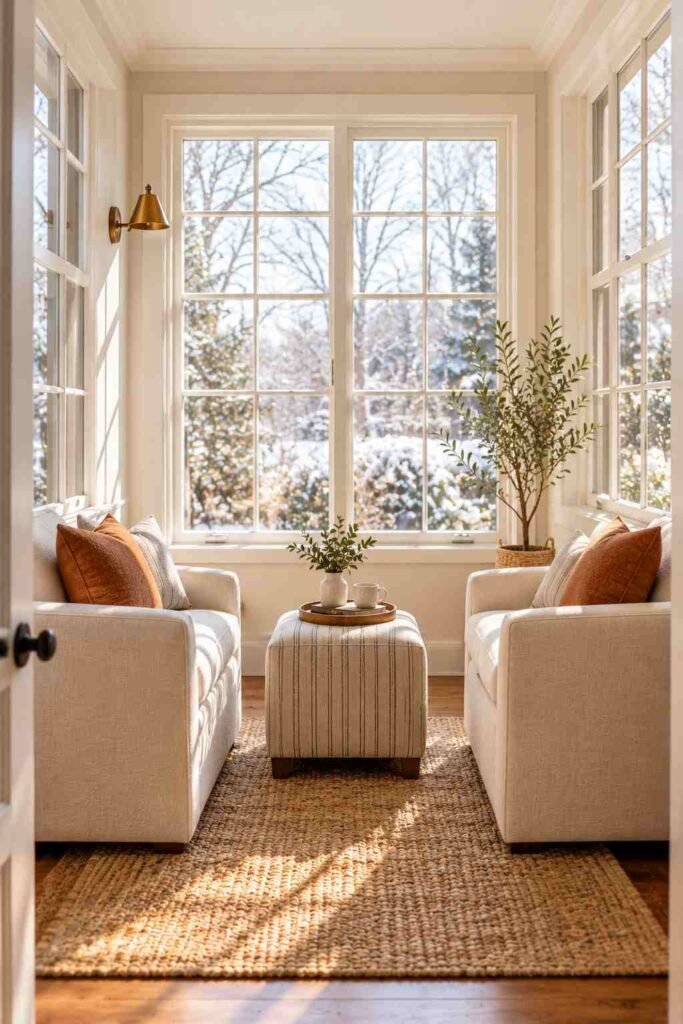
21. Two-chair layout. In a tight footprint, two facing chairs and a small ottoman between them create an intimate seating arrangement without overcrowding.
22. Wall-mounted shelving. Vertical storage keeps books and decor off the floor, which matters most in compact sunroom dens.
23. Fold-down or drop-leaf table. A table that folds away when not in use keeps a small den flexible for both lounging and occasional dining.
Four-Season Sunroom Den Upgrades
24. Radiant floor heating
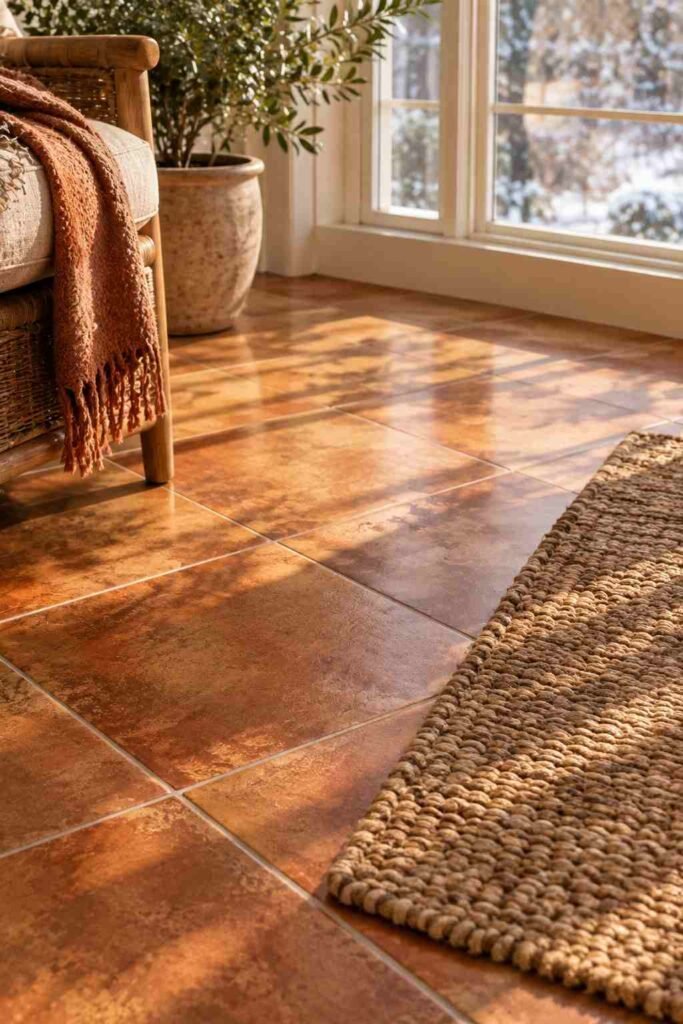
Installing heating beneath tile or engineered wood makes a sunroom den genuinely usable through cold winters, not just spring and fall.
25. Compact fireplace or heater insert. A small electric or gas fireplace adds ambiance and real warmth without major structural changes.
26. Insulated roof panels. Upgrading from a single-pane roof to an insulated panel system is one of the most effective ways to make a three-season porch function as a true four-season den.
Choosing Furniture and Layout for a Sunroom Den
Furniture in a sunroom den does double duty: it needs to look good and survive direct sunlight, temperature swings, and higher humidity than a typical living room. Performance fabrics the same UV- and stain-resistant materials used in outdoor furniture are worth the investment even for indoor pieces, since ordinary upholstery can fade or degrade faster near glass. If you’re working with an existing sunroom that already has good bones, browsing pieces built specifically for bright, sun-exposed rooms will save you from replacing furniture every couple of years. A well-chosen set of Indoor sunroom furniture also anchors the room’s layout, since everything else rugs, lighting, and accessories tends to get built around the seating first.
Layout matters just as much as material choice. Anchor the room around one clear focal point, whether that’s a window view, a fireplace, or a media console, rather than pushing furniture against the walls. In wider rooms, floating a sofa or two chairs away from the perimeter creates a more intentional, lived-in feel. For anyone still deciding how to arrange seating in a smaller or oddly shaped space, working through a few Sunroom sitting ideas before buying anything can prevent an expensive layout mistake.
Color and Fabric Choices That Hold Up in Direct Sunlight
Bright, sun-filled rooms are unforgiving on the wrong color palette. Deep, saturated fabrics navy, burgundy, forest green tend to fade faster and show dust more visibly than lighter, muted tones. Soft neutrals, sandy beiges, and muted blues hold their color longer and reflect rather than absorb heat, which keeps the room more comfortable in summer. On walls, a warm white or light greige works in almost any sunroom den style, from coastal to modern to traditional, and it makes patterned textiles or plants stand out rather than compete for attention.
Fabric weave matters as much as color. Tightly woven, solution-dyed fabrics resist fading far better than loosely woven cotton or linen blends, even in the same shade. If you love a bold color, save it for smaller accents like pillows or a single accent chair that’s easier and cheaper to replace than a full sofa once the sun eventually takes its toll.
Common Sunroom Den Mistakes to Avoid
Even well-planned sunrooms run into the same handful of problems. Overcrowding is the most common: because these rooms are often smaller than a main living room, packing in too much furniture makes them feel cramped rather than cozy. Skipping window treatments is another frequent misstep: without shades or sheers, afternoon glare can make a den unusable for hours at a time, even with great furniture.
Ignoring humidity control is a subtler issue. Sunrooms attached to homes in humid climates can develop condensation on single-pane windows, which damages wood furniture and flooring over time. A dehumidifier or better window seals solves this early, before it becomes a costly repair. Finally, treating the den as a separate style island one that doesn’t relate at all to the rest of the home’s decor can make the transition between rooms feel jarring instead of natural.
Is Building or Converting a Sunroom Den Worth the Investment?
Converting an existing three-season porch into a true four-season sunroom den is generally more cost-effective than building new square footage, since the foundation, framing, and roofline are already in place. The bulk of the investment goes toward glazing upgrades, insulation, and heating or cooling, rather than structural work. For homeowners weighing whether to renovate, comparing project scopes and finish options on a dedicated home-design resource like OutInteriors can help clarify realistic budgets before committing to a contractor.
The value of a sunroom den isn’t purely financial, either. A well-used sunroom den adds genuine daily living space — a place for morning coffee, evening reading, or hosting guests, which matters more to most homeowners than resale calculations alone. If the room gets used every week rather than a few times a year, it has already paid for itself in quality of life.
Final Thoughts
A sunroom den doesn’t need a full architectural overhaul to earn its place in daily life. Fix the fundamentals glazing, flooring, airflow and then layer in furniture, color, and layout choices that match how you actually plan to use the room. Whether that means a single reading chair by the window or a full four-season upgrade with radiant heating, the goal is the same: a bright, comfortable space you reach for every day, not just when the weather cooperates.