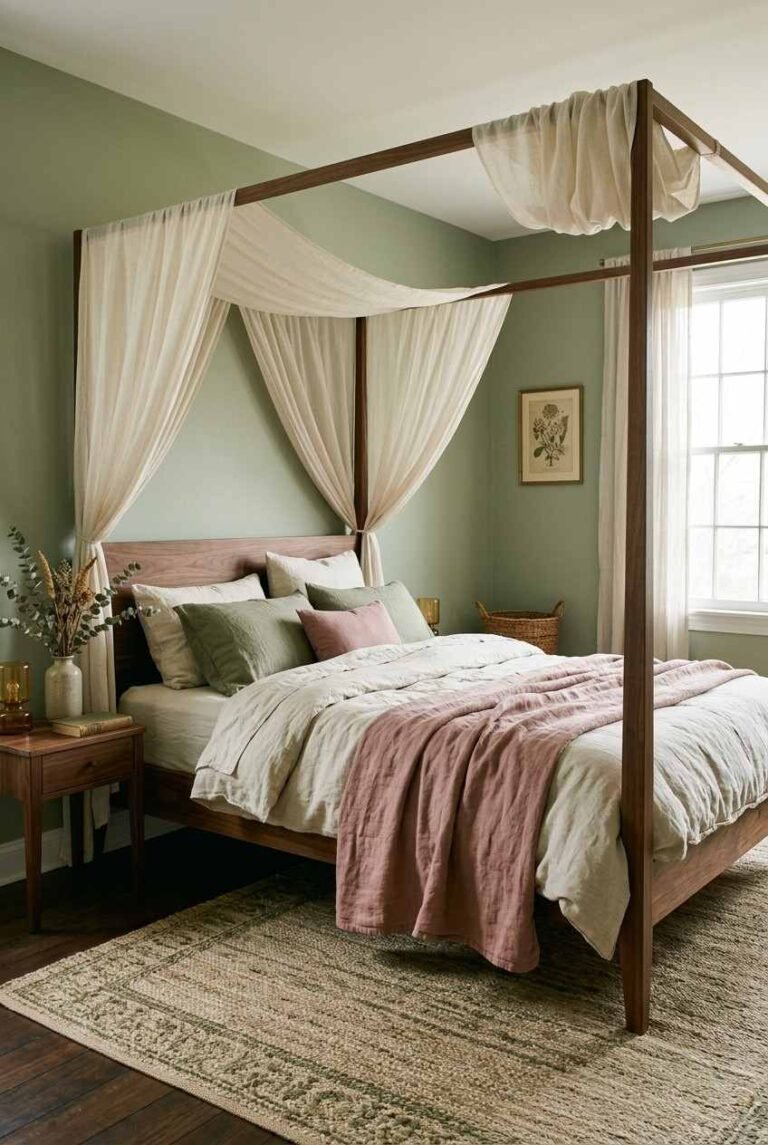
Premium 12 Guest Bedroom Ideas for a Cozy, Practical, and Welcoming Stay
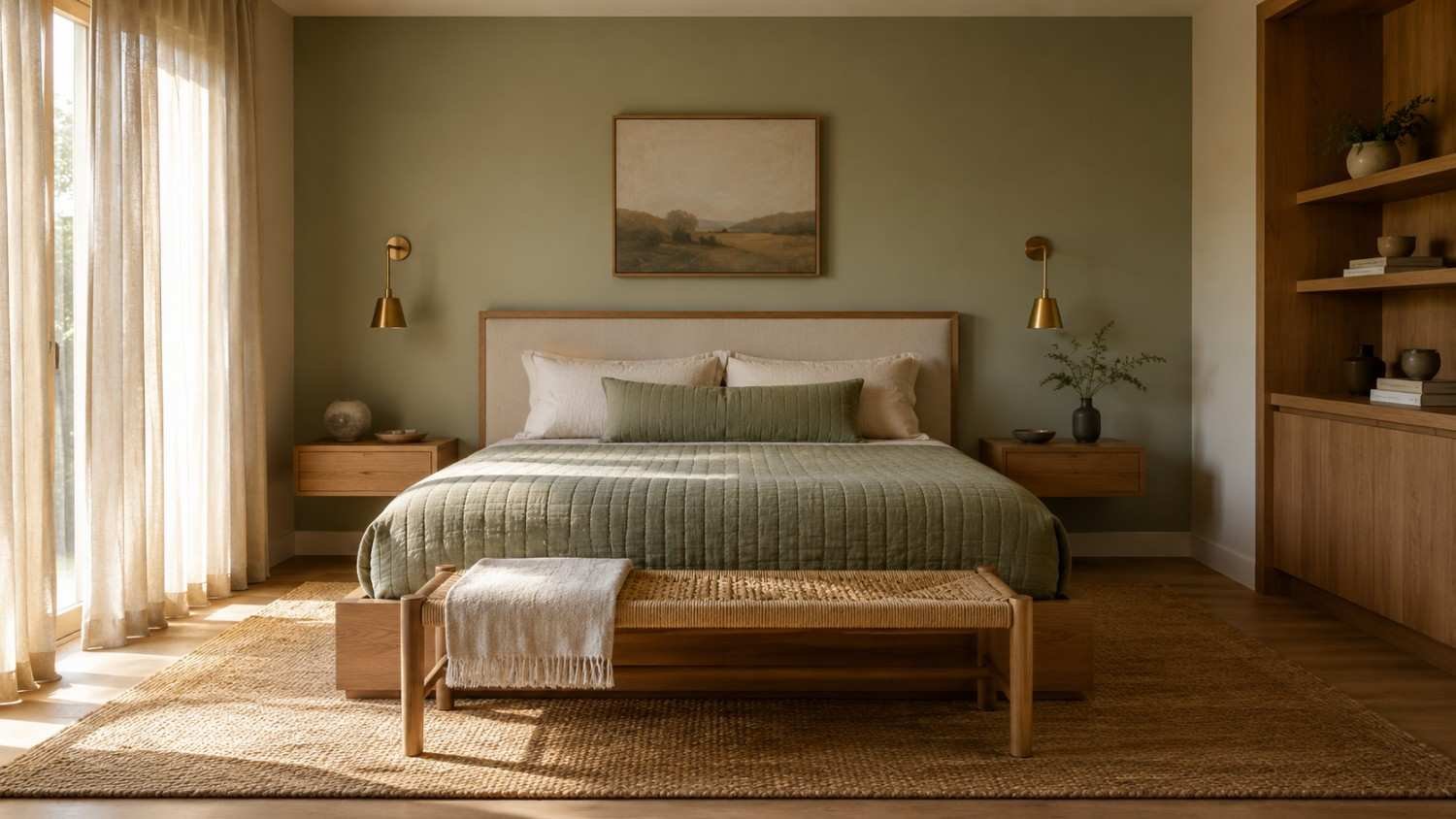
A guest room should do more than look attractive. It should help visitors settle in, sleep well, store their belongings, and enjoy privacy. The best guest bedroom ideas begin with comfort, then add personality through color, texture, lighting, and useful details. You do not need a large room or an expensive renovation. A supportive bed, clear walking space, fresh linens, and reachable surfaces matter more than decorative extras. Whether you have a dedicated spare room or a flexible office-bedroom combination, the following plan will help you create a calm retreat that feels genuinely prepared.
How to Plan Guest Bedroom Ideas That Work

Think first about the people who stay with you most often. Parents may need an easy path around the bed. Friends working remotely may appreciate a compact desk. Families with children need flexible sleeping arrangements and safer window treatments. Measure the walls, door swing, closet, and open floor area before choosing furniture. Set priorities in this order: sleep, privacy, lighting, storage, and decoration. This keeps your guest bedroom ideas focused on real needs and prevents the room from becoming crowded with attractive pieces that serve no clear purpose.
1. Begin With a Comfortable Mattress
The bed is the one feature every visitor will use, so give it the largest share of your budget. Choose a medium-firm mattress that can suit a broad range of sleepers, and replace one that sags, smells musty, or causes discomfort. Add a breathable, washable mattress protector. In a tight room, a full-size bed may leave more walking space than a queen. For couples who visit regularly, however, a queen bed often offers the best balance between comfort and available floor area.
2. Layer Bedding for Different Sleepers
Use simple, washable layers instead of one heavy comforter. Start with clean sheets, add a light blanket, and finish with a duvet or quilt that guests can remove easily. Provide at least two pillow choices, such as one soft and one firm. Among the most useful guest bedroom ideas, an extra folded blanket at the foot of the bed is especially practical because visitors may prefer a warmer or cooler sleeping setup than the rest of the household.
3. Combine Privacy With Light Control
Layered window treatments let guests adjust the room throughout the day. A sheer curtain or light-filtering shade softens glare and protects privacy, while a blackout curtain blocks early morning light. Architectural Digest identifies blackout treatments, sufficient bedside lighting, accessible outlets, and storage as practical guest-room essentials. Hang curtains high and wide to give the window a larger appearance, but keep fabric away from heaters, vents, and doors. Choose materials that are easy to wash or vacuum.
4. Create Adjustable Bedside Lighting and Charging
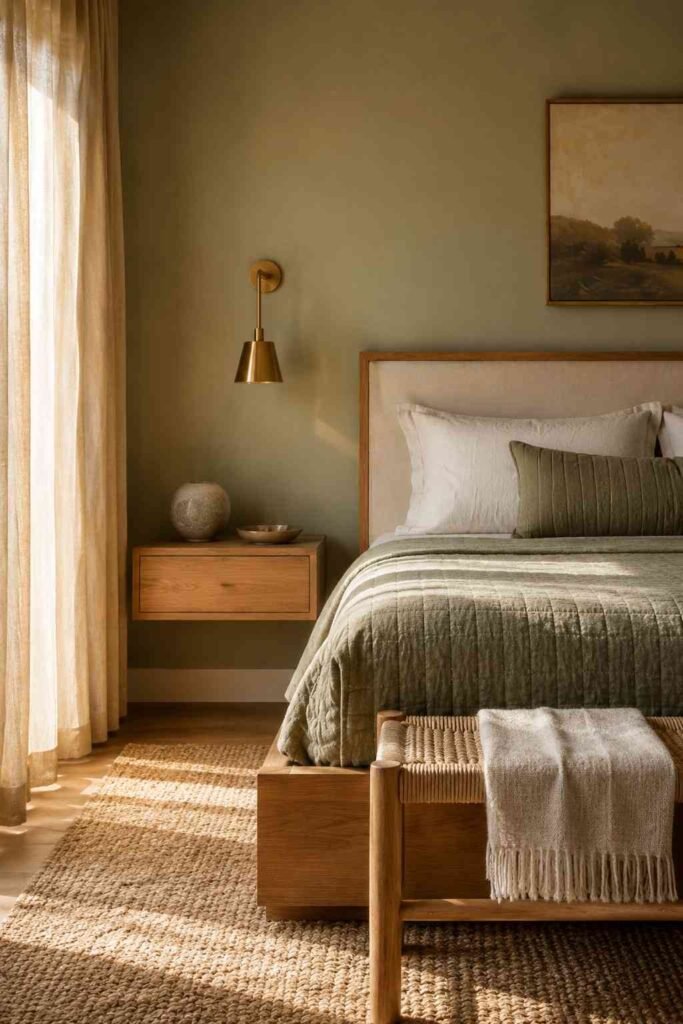
Use at least two light levels: general illumination for unpacking and a softer bedside source for reading. Place the switch, outlet, and charging cable where a guest can reach them without moving furniture. Real Simple recommends practical bedside tables because they provide space for a phone, water, glasses, and other personal items. In a small room, use a floating shelf, narrow table, or wall-mounted sconce. Keep cords secured and leave most of the surface clear.
5. Reserve Space for Luggage, Clothes, and Seating
Visitors should not have to keep an open suitcase on the floor. Add a folding luggage rack, sturdy bench, or clear section of a low dresser. Leave several empty hangers and one drawer or shelf available. If there is no closet, use a wall hook rail or slim garment rack. A compact chair can help guests put on shoes or enjoy private time, but only add one when it does not block a doorway, drawer, or walking path. Good guest bedroom ideas protect open space.
6. Use a Calm Base With One Memorable Feature
Neutral walls are not the only safe choice. Soft blue, muted green, warm white, clay, or light taupe can create a restful base. Add character through one stronger feature, such as a patterned quilt, upholstered headboard, painted ceiling, framed textile, or wallpaper behind the bed. Keep the other elements quieter so the room does not feel busy. Benjamin Moore’s current guidance supports both soothing neutrals and expressive accent colors, depending on the atmosphere you want to create.
7. Add Warmth Through Texture, Not Clutter
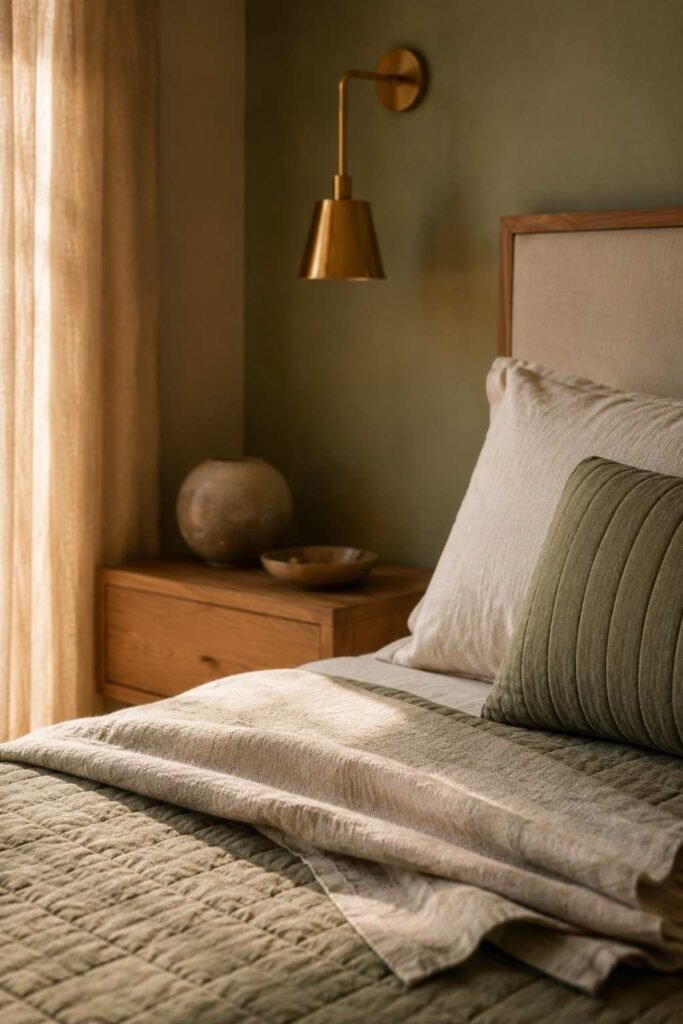
A limited color palette can still feel inviting when it includes varied textures. Combine cotton bedding, a woven throw, wood furniture, linen curtains, or a soft rug. Avoid covering the bed with decorative pillows that guests must remove and store. One lumbar pillow or two modest accents are enough. The strongest guest bedroom ideas create warmth without filling every surface. This approach works especially well in compact rooms, where too many small objects can make the space feel tighter and harder to clean.
8. Make a Small Guest Bedroom Feel Open
Choose furniture with visible legs, a narrow bed frame, and shallow storage. Mount lamps or shelves on the wall to free the floor. Use one larger artwork instead of a crowded gallery, and position a mirror where it reflects natural light without creating glare at the bed. Keep a clear route from the door to the sleeping area and window. These small-space guest bedroom ideas create order and make the room easier to use without depending on an all-white palette or undersized furniture.
9. Build a Guest Room and Office Combination
A spare room can work daily as an office and still welcome overnight visitors. Houzz recommends flexible arrangements using a desk with a standard bed, Murphy bed, twin beds, or trundle, depending on the room’s purpose. Store work files behind closed doors, clear the desktop before visitors arrive, and provide an empty drawer. A daybed may suit occasional single guests, while a sleeper sofa saves floor space. Test any folding mattress for comfort before buying it.
10. Plan for Children and Older Guests
A flexible room should consider visitors with different mobility and safety needs. Keep loose cords, unstable rugs, and sharp furniture edges away from the main path. Use a low-pile rug with a nonslip pad, and avoid a bed that is unusually high or difficult to enter. When young children may stay or visit, the U.S. Consumer Product Safety Commission recommends cordless window coverings because accessible cords can create a strangulation hazard. A stable nightstand and reachable lamp also improve everyday use.
11. Connect the Room to the Rest of Your Home
A guest room can have its own personality while repeating colors, woods, or fabrics used nearby. For a consistent private-area palette, explore our master bedroom ideas and carry one related tone into the spare room. Homes with connected social spaces can borrow colors from these living room open kitchen ideas through artwork or textiles.
12. Finish With a Simple Welcome Station
The final layer should be useful rather than excessive. Place fresh towels, tissues, drinking water, a wastebasket, and a card with the Wi-Fi name and password where guests can see them. Add brief instructions for the thermostat or door lock only when needed. Before arrival, air the room, wash the linens, empty the trash, and test the lamps. The U.S. Fire Administration advises placing smoke alarms inside bedrooms and testing alarms monthly. For broader inspiration across interior and exterior spaces, visit outinteriors and explore related home design guides.
A Quick Pre-Arrival Check
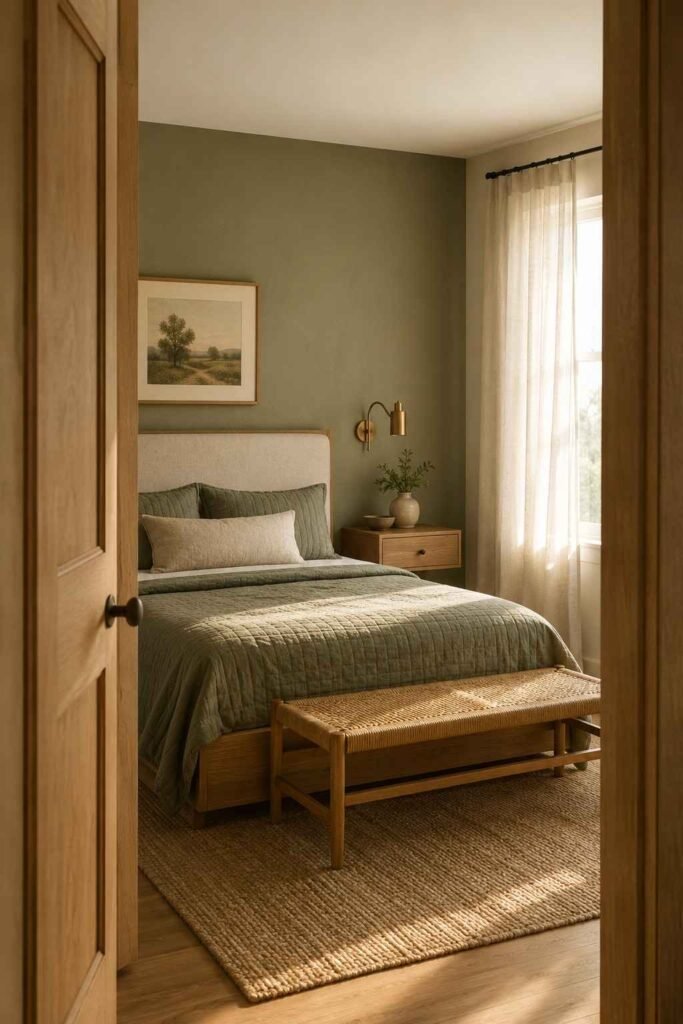
Even beautiful guest bedroom ideas can fail when a room has dust, stale air, burned-out bulbs, or nowhere to unpack. Spend ten minutes experiencing the space as a visitor. Sit on the bed, reach for the lamp, connect a charger, open the curtains, and walk to the door in low light. Check that drawers open, the fan works, and the room temperature can be adjusted. Remove personal paperwork, medication, breakable items, and anything stored temporarily on the floor. This short test often reveals practical problems that are easy to correct.
Conclusion
The most successful guest bedroom ideas combine a good night’s sleep with small signs of care. Start with the mattress, bedding, privacy, lighting, charging access, and luggage space. Then introduce color, texture, art, and a few personal details that suit your home. A small room can feel generous when the layout is clear, while a multipurpose room can feel private when work items are hidden. Guests may not remember every decorative choice, but they will remember whether the room felt clean, comfortable, safe, and easy to use.
Frequently Asked Questions
What should every guest bedroom include?
Include a comfortable bed, clean linens, two pillow options, adjustable lighting, window privacy, a reachable outlet, and suitcase space. Fresh towels, tissues, water, and visible Wi-Fi details make the stay easier. Leave some closet or drawer space empty rather than using the entire room for household storage.
Which guest bedroom ideas feel luxurious on a budget?
Focus on touchpoints instead of expensive furniture. Use crisp sheets, a clean duvet cover, matching towels, a warm bedside lamp, and uncluttered surfaces. Paint, secondhand nightstands, washable pillow covers, and a simple luggage bench can refresh the room at a modest cost.
What colors work best in a guest bedroom?
Warm whites, muted greens, gentle blues, soft taupes, and clay tones are versatile choices. Select a shade that suits the natural light and surrounding rooms. A deeper accent wall can work in a small space when the bedding and furniture remain simple.
How do I arrange a small room with a queen bed?
Place the bed against the longest uninterrupted wall when possible. Use narrow or floating nightstands, wall-mounted lights, and vertical storage. Avoid a bulky footboard, keep the route from the door clear, and add a bench only when there is enough walking space.
Can a guest bedroom also be a home office?
Yes. Use closed file storage, a desk that can double as a vanity, and a bed suited to how often visitors stay. Clear the work surface and hide equipment before arrival so guests do not feel they are sleeping inside an active workplace.
How often should guest bedding be washed?
Wash sheets, pillowcases, and used towels after every guest. Clean duvet covers, blankets, mattress protectors, and decorative covers according to their care labels and use. Refresh bedding before arrival when the room has been empty long enough to collect dust or odors.