Plant Room Ideas to Build a Thriving Indoor Garden in Any Home
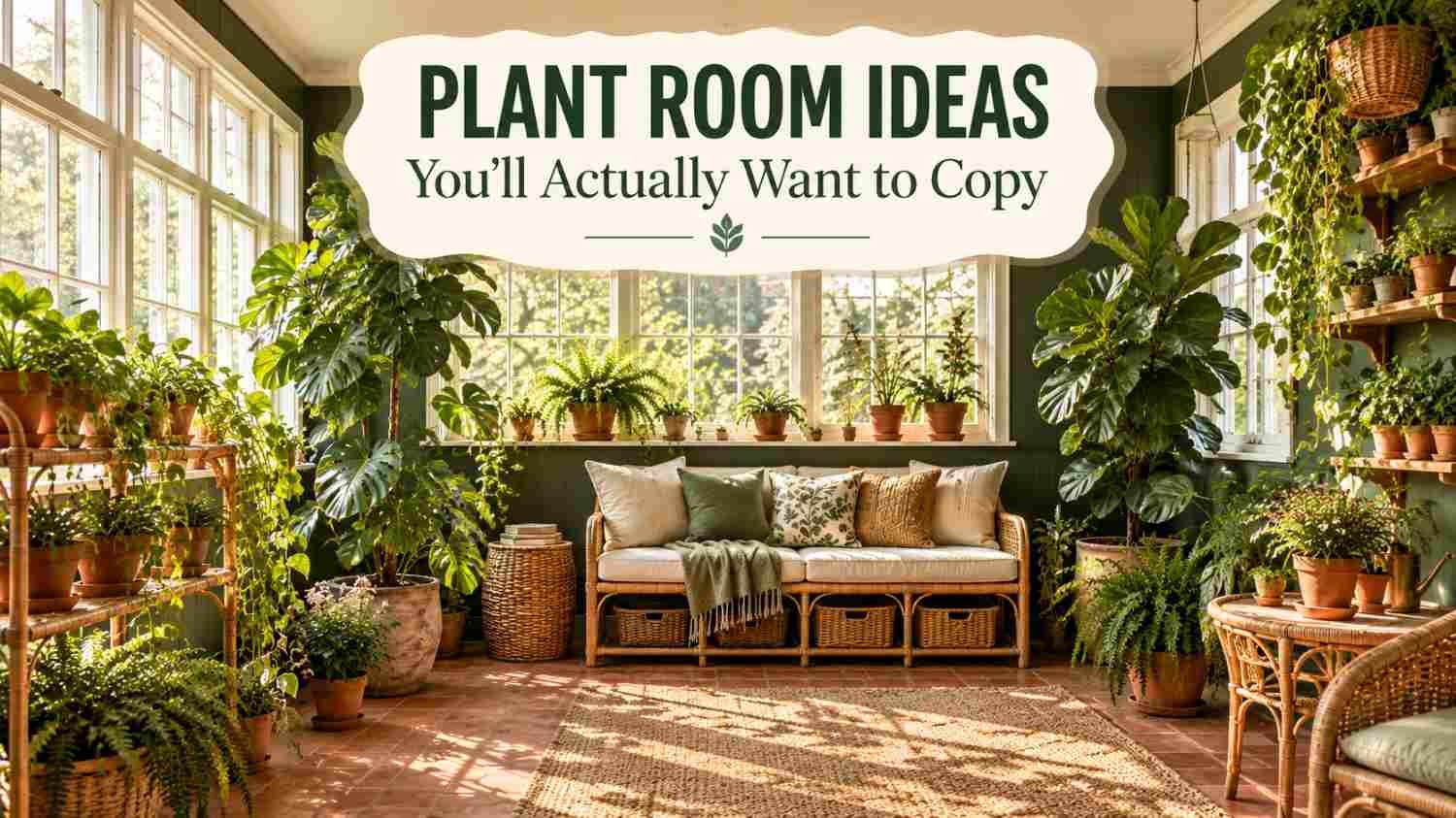
Walking into a room filled with living, breathing plants feels different from walking into any other room in a house. The air seems softer. The light bends through leaves instead of bouncing off blank walls. For anyone who has ever wanted a dedicated green retreat, browsing plant room ideas is usually where the project begins — and where most people get stuck between wanting Pinterest-worthy abundance and needing something that actually survives past March.
This guide breaks down 25 plant room ideas for every budget, skill level, and square footage, from converted sunrooms to renter-friendly corners. Along the way, you’ll find the practical details — light, humidity, drainage, and maintenance — that most inspiration galleries skip entirely, because a beautiful plant room only stays beautiful if the plants inside it are actually healthy.
What Makes a Plant Room Actually Work
Before choosing a style, it helps to understand why some plant rooms thrive for years while others fade within a season. Three factors decide almost everything: light exposure, humidity, and drainage. Get these right first, and nearly any aesthetic — minimalist, maximalist, industrial, or cottagecore — will hold up. Skip them, and even the most photogenic plant room ideas collapse into brown leaves and root rot within a few months.
Light Requirements Matter More Than Style
Most houseplants fall into one of three light categories: bright direct, bright indirect, or low light. A south-facing window in the Northern Hemisphere typically delivers the strongest, most consistent light throughout the day, making it ideal for sun-loving species like citrus trees, succulents, and fiddle-leaf figs. East-facing rooms get gentler morning sun, which suits ferns and calatheas. Before buying a single plant, spend a day tracking how light moves through the space — this single step prevents more plant deaths than any watering mistake ever will.
Humidity and Airflow Basics
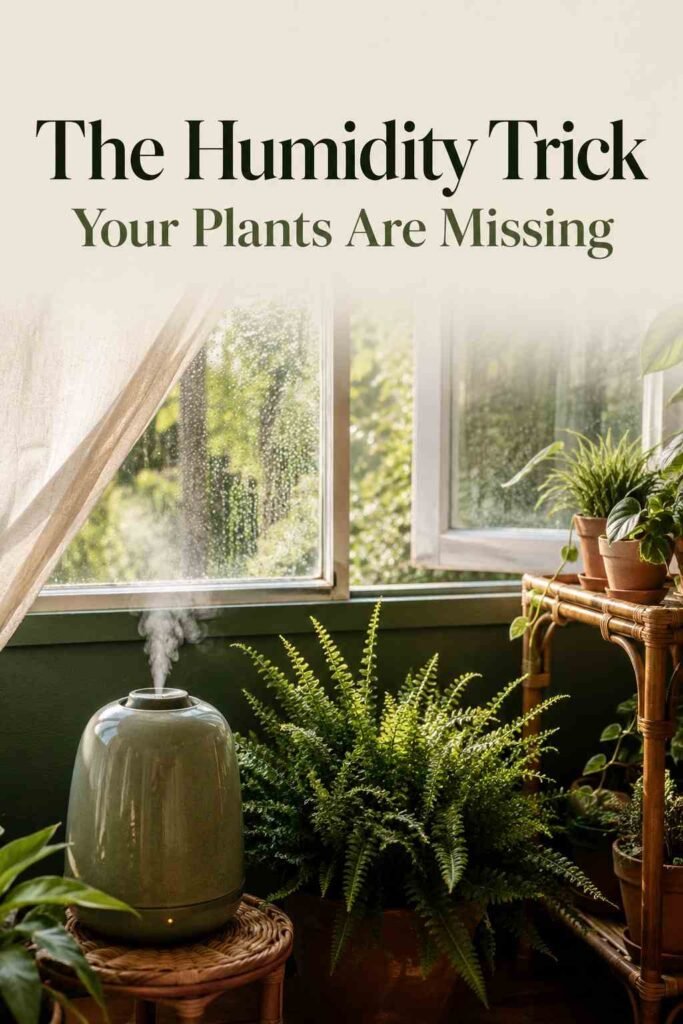
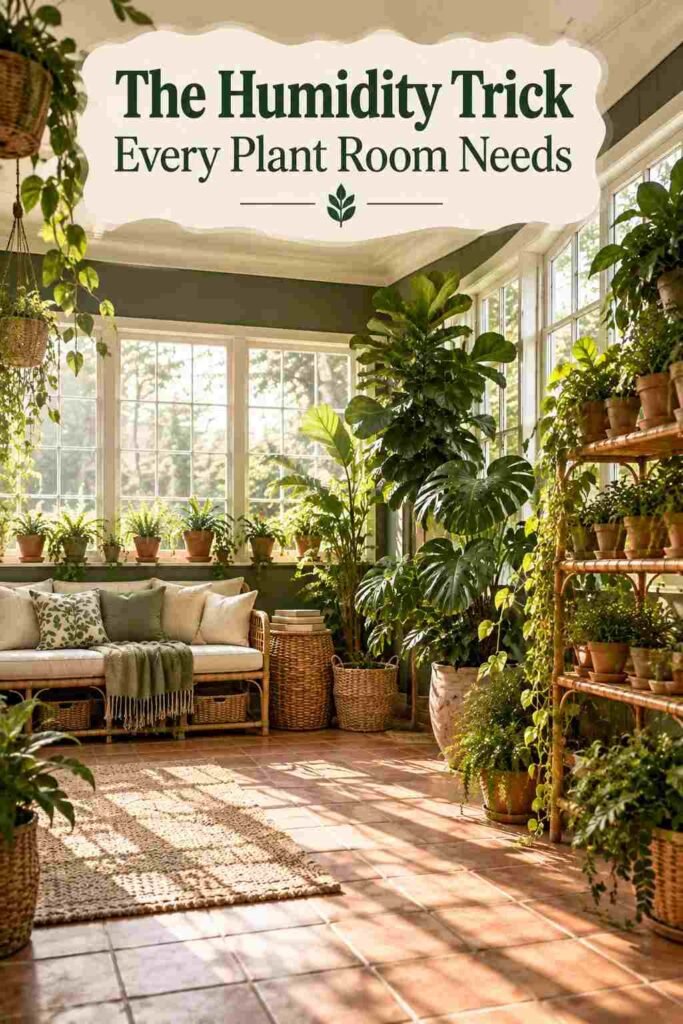
Tropical plants such as Monstera deliciosa, calathea, and maidenhair fern prefer humidity between 40% and 60%, which is higher than most homes maintain naturally, especially during winter heating months. A small humidifier, a pebble tray, or grouping plants closely together all raise ambient moisture. Airflow matters too: stagnant, humid air invites fungus gnats and mold, so a ceiling fan on low or a cracked window on mild days keeps the room healthy without sacrificing the moisture your plants need.
25 Plant Room Ideas for Every Style and Space
The following ideas are organized by setting and design sensibility, so you can find an approach that matches both your home’s layout and your personal taste.
Sun-Filled and Architectural Spaces
1. Sunroom Plant Sanctuary
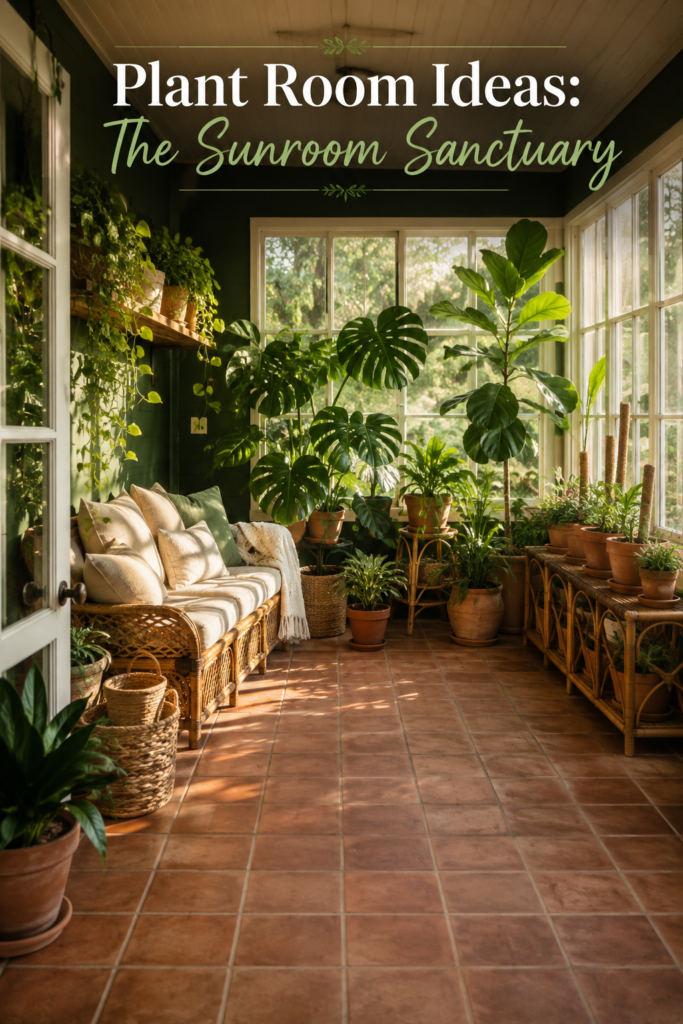
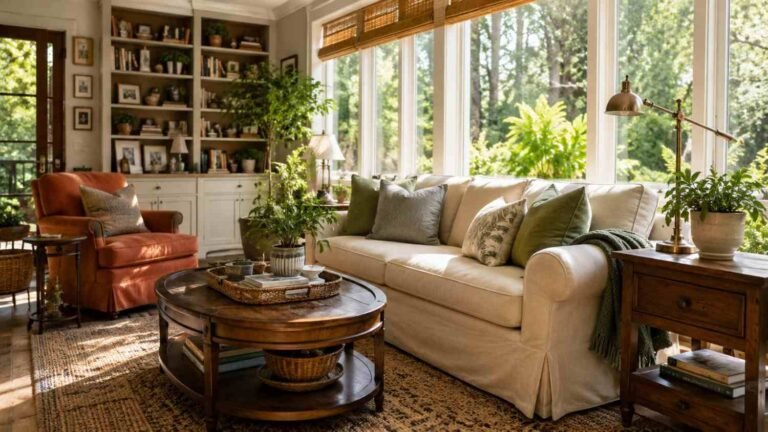
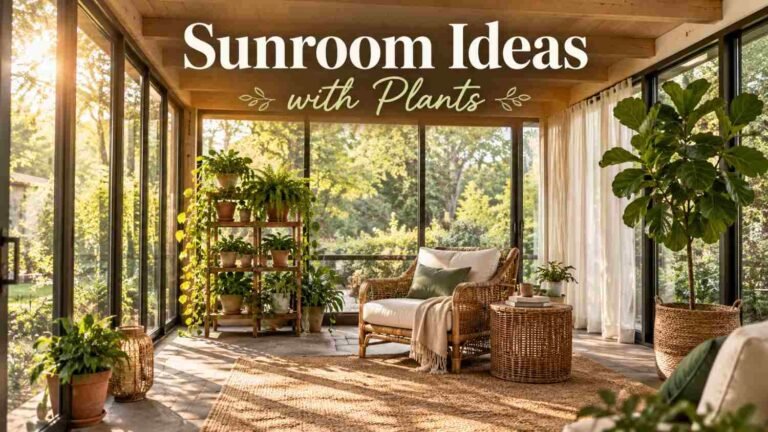
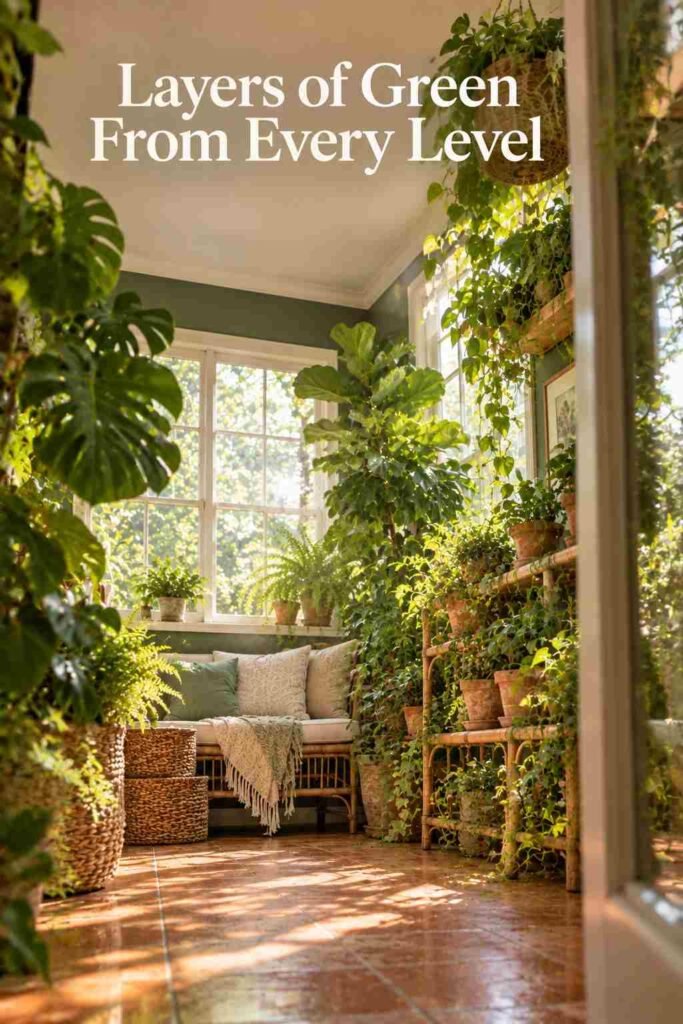
Converting a sunroom into a dedicated plant space is one of the most effective plant room ideas because the room already delivers abundant natural light on multiple sides. If you already have a glassed-in space, these Sunroom sitting ideas pair especially well with a plant-filled layout, since the same light that warms a reading chair also feeds tropical foliage year-round.
2. Solarium Botanical Retreat
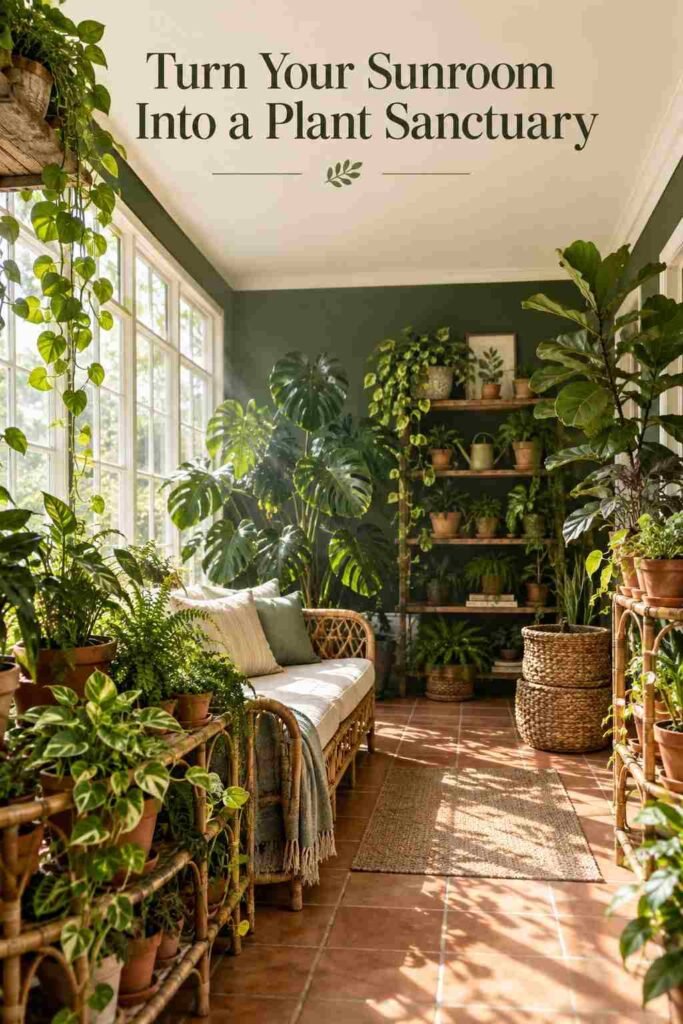
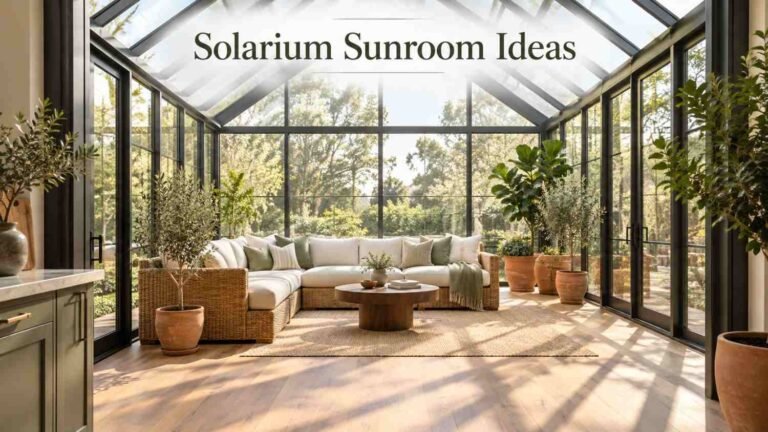
A Solarium sunroom with floor-to-ceiling glass offers even more consistent warmth than a standard sunroom, making it possible to grow sun-hungry citrus trees, hibiscus, and bird of paradise indoors through every season, including harsh winters.
3. Greenhouse Addition
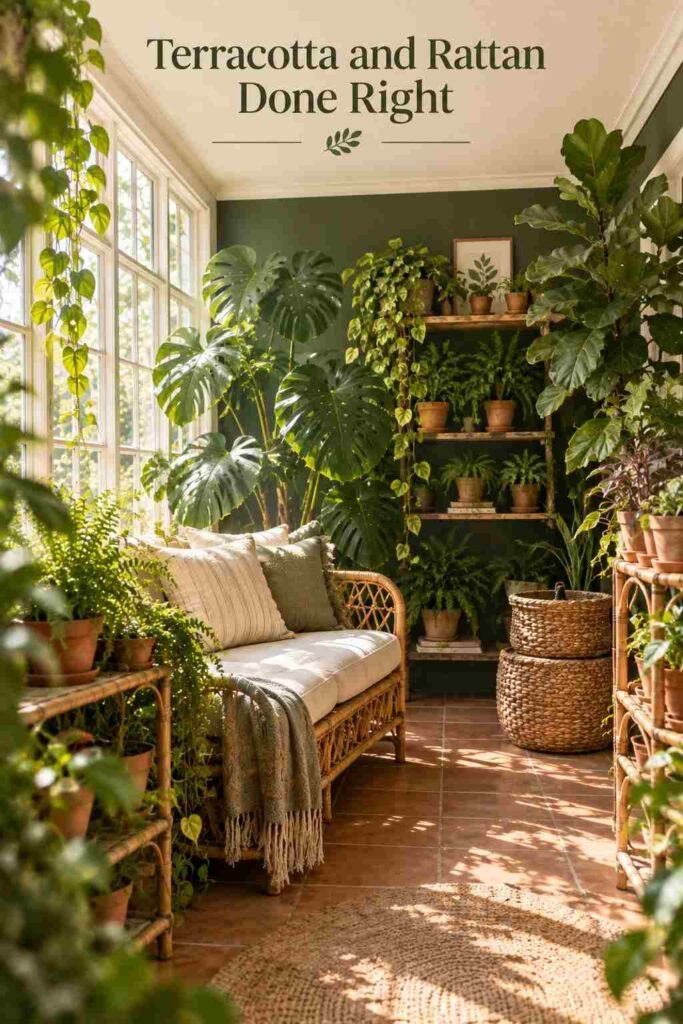
For serious plant collectors, a small attached greenhouse extends growing conditions beyond what any interior room can offer, with adjustable venting and shade cloth controlling temperature swings.
4. Victorian Conservatory Revival: This style leans into ornate ironwork, tiled floors, and dense plant groupings reminiscent of 19th-century English conservatories, blending historical elegance with modern plant care.
5. Floor-to-Ceiling Window Library
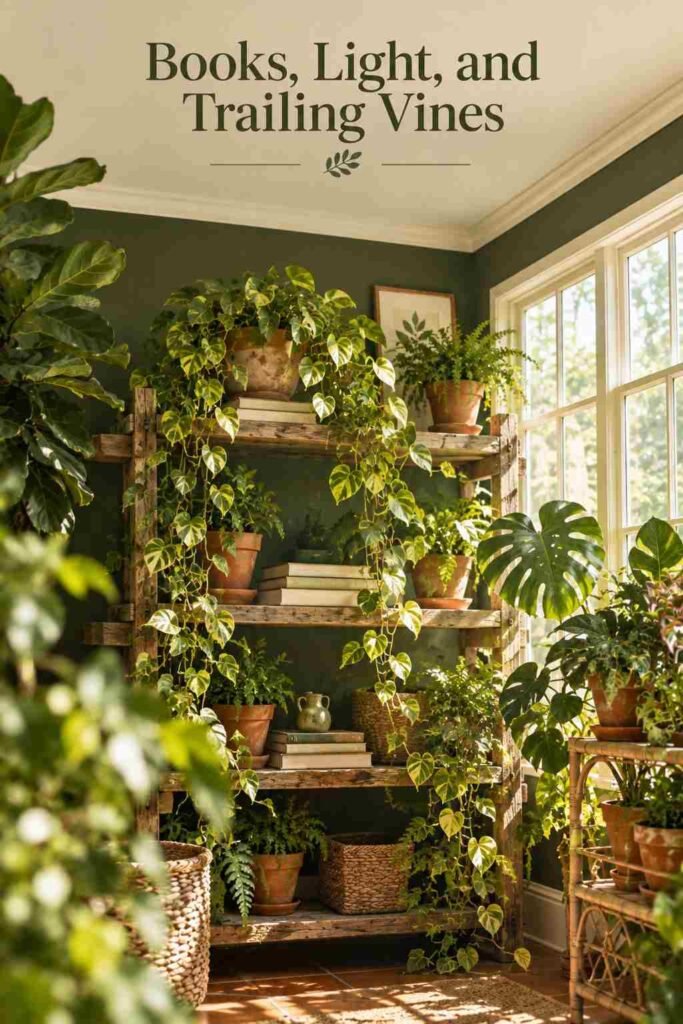
Pairing bookshelves with a wall of windows creates a reading room where trailing pothos and philodendron soften the hard lines of wood and glass.
Compact and Apartment-Friendly Layouts
6. Small Apartment Plant Corner: You don’t need a spare room for this; a single unused corner near a bright window can hold a plant stand, a few trailing vines, and one statement floor plant.
7. Renter-Friendly Portable Plant Room
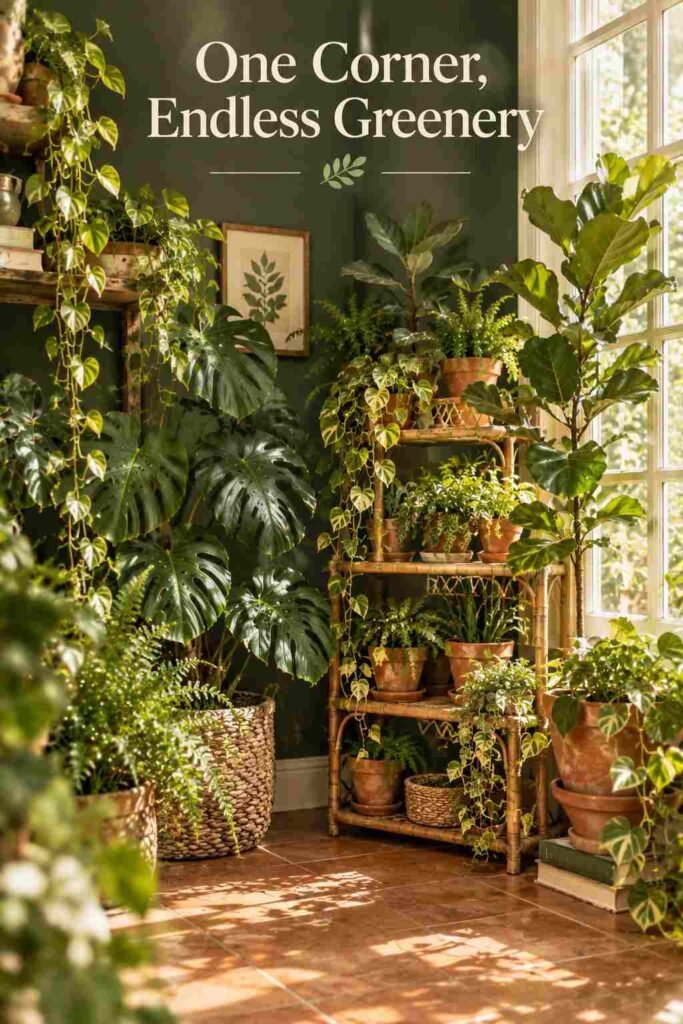
Using rolling plant stands and tension rods instead of permanent shelving lets renters build a full plant display without drilling into walls, then reconfigure it entirely when they move.
8. Balcony-Adjacent Plant Nook: Placing a bench or small desk beside sliding doors that open onto a balcony blurs the line between indoor and outdoor greenery, especially when seasonal plants rotate outside in summer.
9. Window Sill Plant Ladder
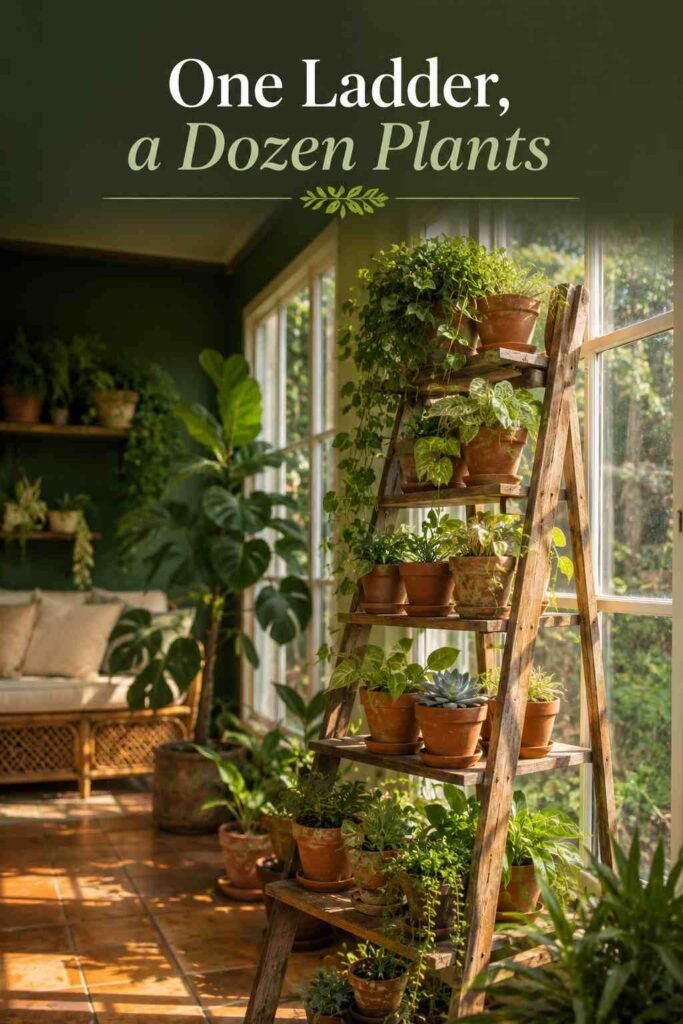
A tiered wooden ladder shelf maximizes a narrow windowsill, stacking small pots vertically instead of spreading them across limited floor space.
10. Closet Conversion Grow Room: An unused closet fitted with LED grow lights and a small fan can support seed starting or humidity-loving plants regardless of the home’s natural light.
Design-Forward Aesthetic Rooms
11. Scandinavian Minimalist Plant Room
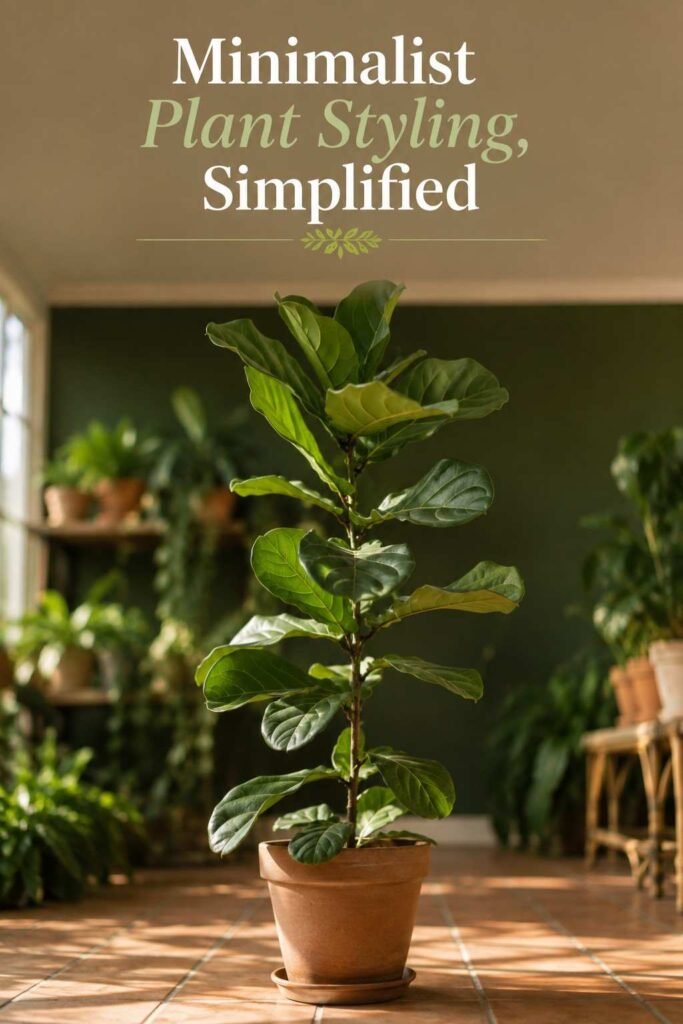
This approach favors a handful of architectural specimens — a single fiddle-leaf fig, a sculptural snake plant — displayed against white walls and light wood, prioritizing negative space over abundance.
12. Industrial Loft Plant Wall
Exposed brick and black steel shelving create a striking backdrop for cascading pothos and ferns, softening a room that might otherwise feel cold or unfinished.
13. Boho Macramé Hanging Room
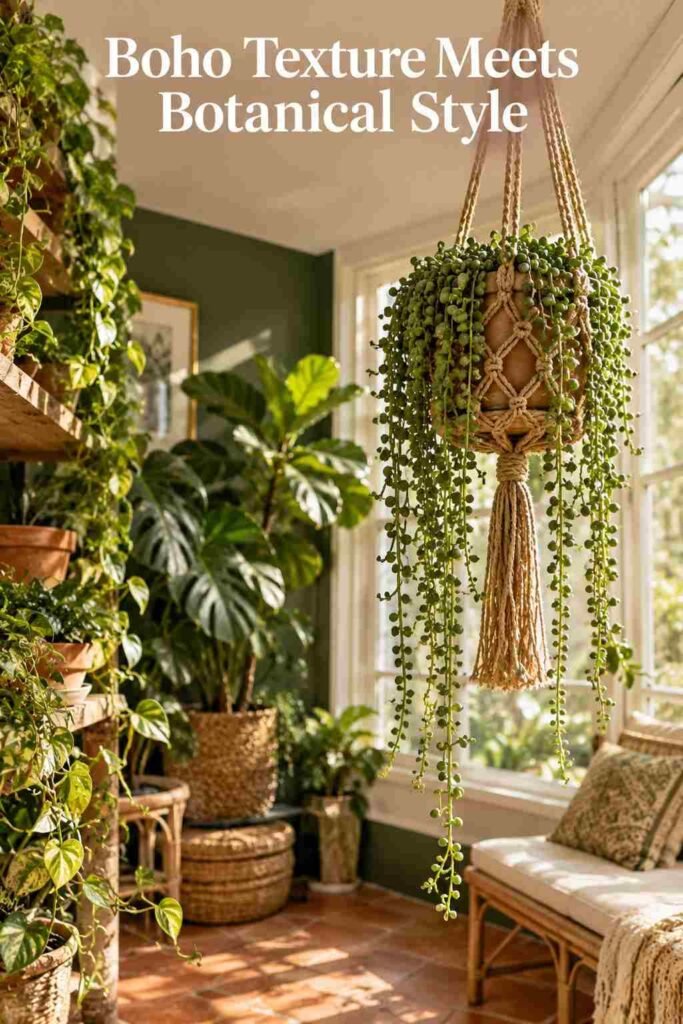
Layered macramé hangers at different heights add texture and movement, particularly effective with trailing string-of-pearls or heart-leaf philodendron.
14. Cottagecore Plant Room
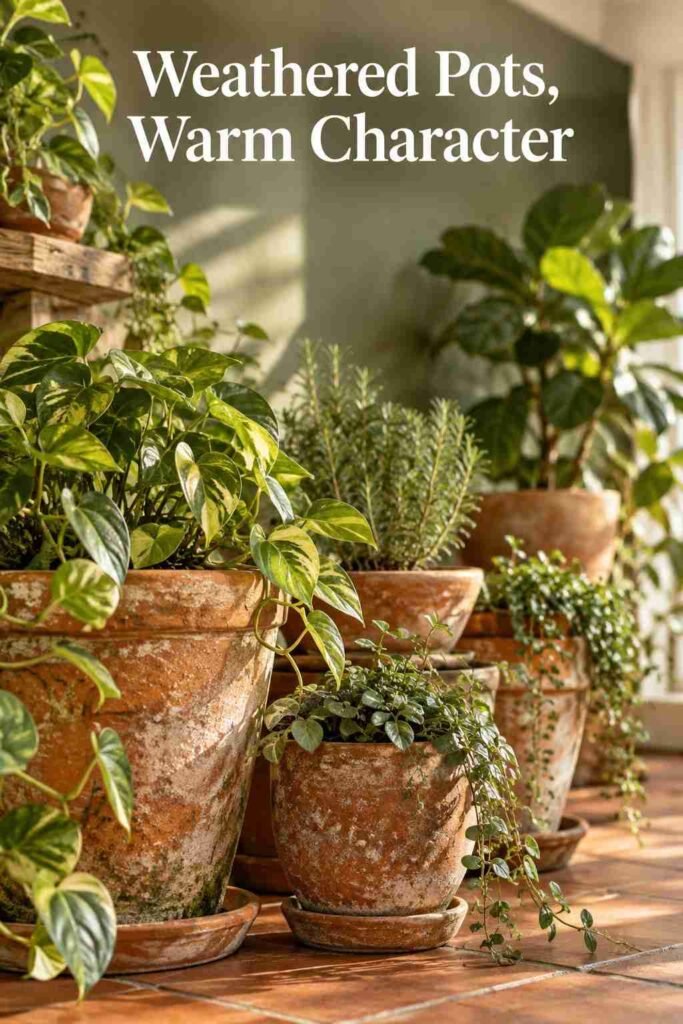
Mismatched vintage pots, gingham textiles, and abundant flowering plants like African violets create a warm, lived-in feel rooted in early-1900s farmhouse aesthetics.
15. Zen Meditation Plant Room
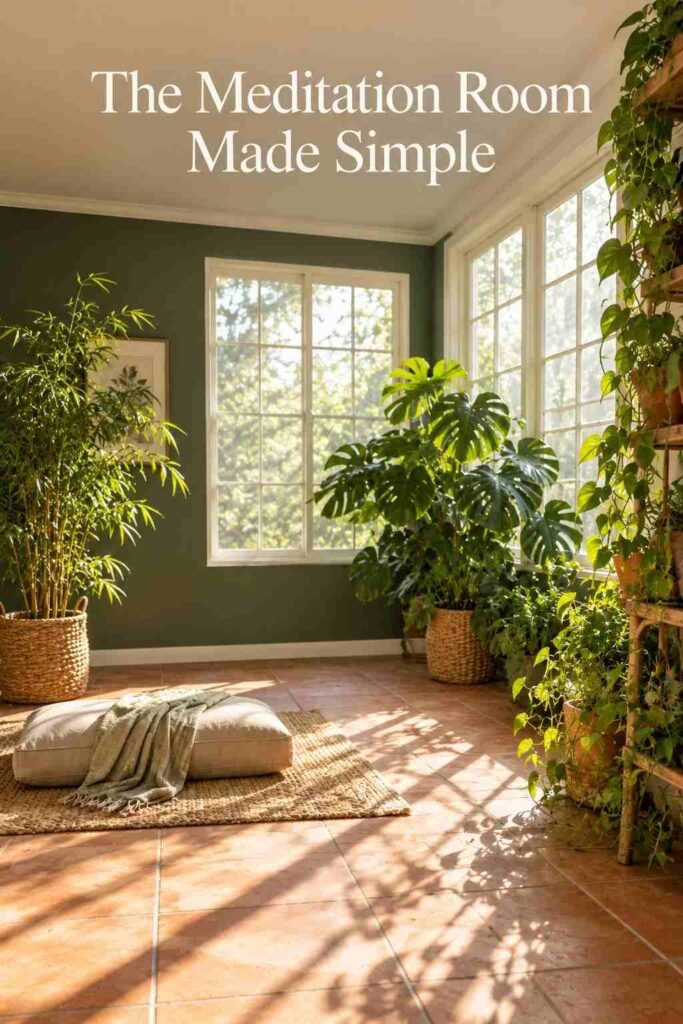
Pairing bamboo, peace lilies, and a simple cushion or low bench creates a calming space designed for quiet reflection rather than display.
Functional and Purpose-Built Rooms
16. Home Office Biophilic Design
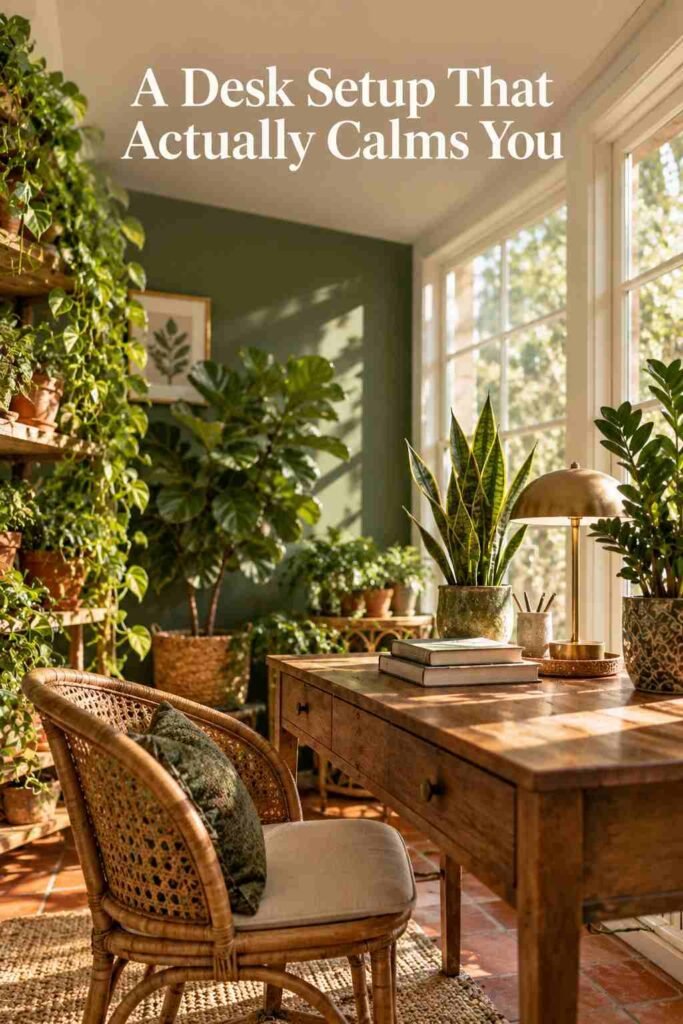
Positioning a desk near, but not directly facing, a plant-filled window improves focus without glare, while low-maintenance snake plants and ZZ plants tolerate the fluctuating attention a workspace demands.
17. Kitchen Herb Garden Room: A sunny kitchen nook fitted with a tiered planter box for basil, thyme, and mint turns everyday cooking into a farm-to-table experience without leaving the house.
18. Bathroom Plant Oasis
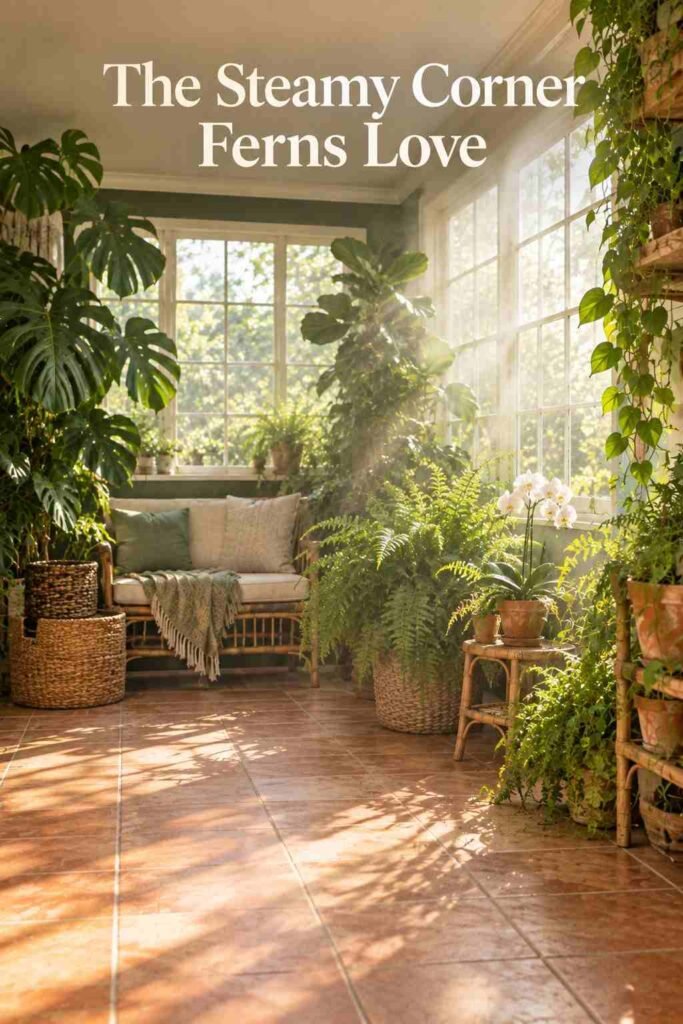
Bathrooms naturally hold higher humidity from showers, making them ideal for moisture-loving ferns, orchids, and pothos that struggle in drier rooms elsewhere in the home.
19. Bedroom Plant Retreat: Choosing calming, low-light species like pothos and ZZ plants near the bed creates a restful atmosphere without the maintenance demands of sun-hungry varieties.
20. Staircase Plant Gallery: Lining a staircase landing with graduated pots draws the eye upward and makes an otherwise transitional space feel intentional.
Specialty and Collector Rooms
21. Terrarium Display Room
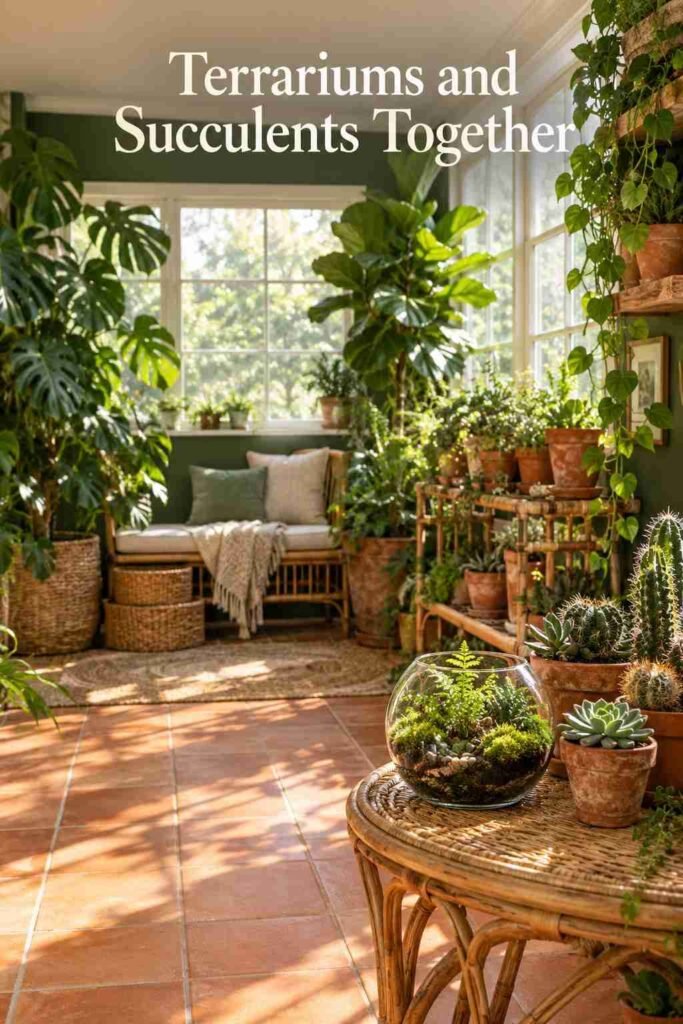
A shelf or cabinet dedicated entirely to glass terrariums lets moss, ferns, and miniature tropical plants thrive in self-contained, low-maintenance ecosystems.
22. Succulent and Cactus Desert Room: Reserving a bright, dry corner for succulents and cacti avoids the humidity conflicts that arise when desert plants share space with tropical species.
23. Hanging Garden Ceiling Display
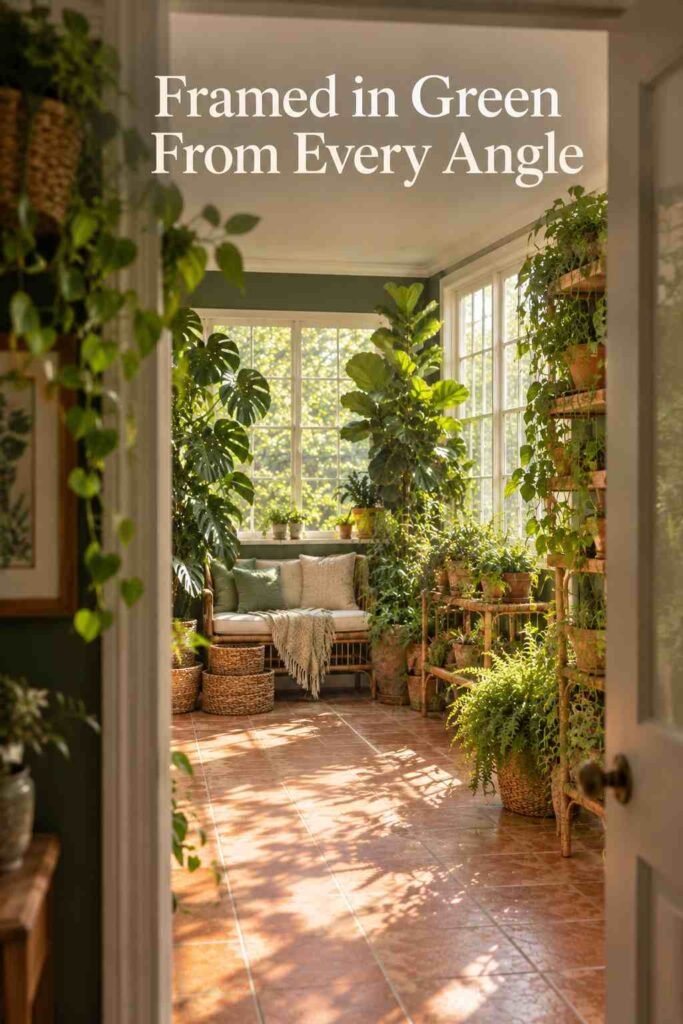
Installing ceiling hooks across ceiling beams turns unused overhead space into a second layer of greenery, ideal for rooms with limited floor area.
24. Pet-Safe Plant Room: Built around non-toxic species like spider plants, Boston ferns, and areca palms, this room lets households with curious cats or dogs enjoy greenery without the usual safety concerns.
25. Smart Tech-Enabled Plant Room: Combining soil moisture sensors, app-controlled grow lights, and self-watering planters removes much of the guesswork for beginners or frequent travelers who want a low-maintenance version of a full plant room.
Practical Tips for Building Your Plant Room
Once you’ve chosen a style from the list above, a few practical decisions determine whether the room functions well long-term.
Flooring and Drainage Considerations
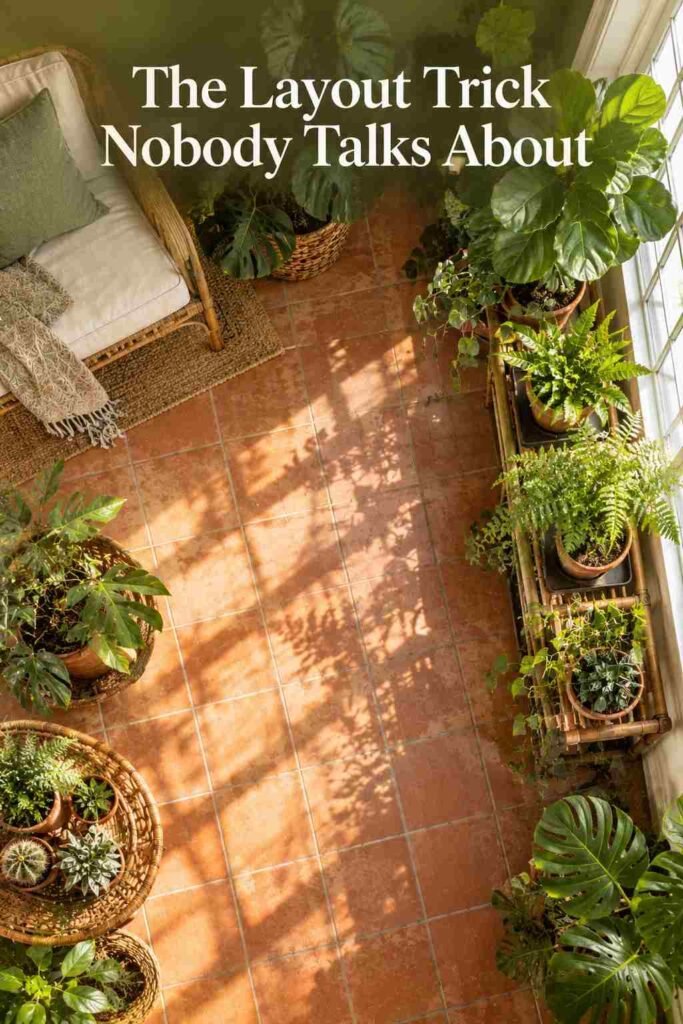
Avoid placing extensive plant collections directly on hardwood or carpet, since overwatering and drainage overflow can cause lasting damage. Tile, vinyl, or a protective mat under each pot solves this without sacrificing style. Saucer trays catch excess water, and a nearby sink or hose connection makes watering day far less tedious once the collection grows past a dozen plants.
Budget-Friendly Plant Room Ideas
A full plant room doesn’t require a renovation budget. Thrifted furniture, propagated cuttings from friends, and grouping affordable pothos or spider plants around one statement piece can achieve a similar visual effect to a curated designer space at a fraction of the cost. Many of the most photographed plant room ideas online rely more on thoughtful arrangement than expensive rare specimens.
Maintenance Schedule for Beginners
New plant owners often overwater out of enthusiasm, which is the leading cause of houseplant death. Checking soil moisture with a finger or a simple moisture meter before watering, rather than following a fixed calendar, prevents most common mistakes. Rotating pots weekly toward the light source also encourages even, upright growth instead of lopsided reaching.
Common Mistakes to Avoid in Plant Room Design
Even well-planned rooms run into predictable problems. Overcrowding plants with vastly different light and humidity needs in one space often stresses at least one group. Ignoring seasonal light changes — a spot that’s bright in summer may go dim by December — can quietly starve plants of light without an obvious cause. Finally, skipping pest inspections on new plants before introducing them to the room risks spreading infestations to an entire established collection within weeks.
Conclusion
A well-designed plant room is really a balance between aesthetic vision and biological reality. The 25 plant room ideas above cover everything from sun-drenched solariums to renter-friendly corners, but the underlying principles stay the same across every style: match plants to available light, manage humidity intentionally, and build in practical drainage from the start. For more room-by-room inspiration beyond plants, outinteriors offers additional design breakdowns that pair well with the botanical looks featured here. Whichever style you choose, starting small and expanding gradually gives both the room and the plants inside it time to genuinely thrive.
Frequently Asked Questions
1. What is the best type of room for a plant collection?
Rooms with consistent natural light, such as sunrooms, solariums, or south-facing living rooms, generally work best. However, low-light species like pothos and snake plants make bedrooms and offices viable options too.
2. How many plants are considered a “plant room”?
There’s no fixed number, but most design references suggest 15 to 20 plants or more as the threshold where a room reads as a dedicated botanical space rather than simply decorated with a few pots.
3. Do plant rooms increase humidity problems in a home?
A dense plant collection can raise local humidity slightly, which is usually beneficial for tropical species but should be monitored in older homes to avoid excess moisture near wood surfaces or wallpaper.
4. What flooring works best for a plant-heavy room?
Tile, vinyl, and sealed concrete handle water exposure better than hardwood or carpet. Adding protective trays under pots is recommended regardless of flooring type.
5. Can a plant room work without much natural light?
Yes. Low-light tolerant species such as ZZ plants, pothos, and snake plants adapt well to indirect or artificial light, and supplemental LED grow lights can support a wider variety in windowless rooms.
6. Are plant rooms safe for homes with pets?
Many popular houseplants, including pothos and philodendron, are toxic to cats and dogs if ingested. A pet-safe plant room built around spider plants, Boston ferns, and areca palms avoids this risk entirely.
7. How much does it cost to start a plant room?
Costs vary widely, but a modest starter collection with basic pots and a few affordable plants can begin under $150, while elaborate setups with grow lights, custom shelving, and mature specimens can run into the thousands.