15+ ideas to Transform Your Outdoor Space with Stunning Garden Art DIY Projects
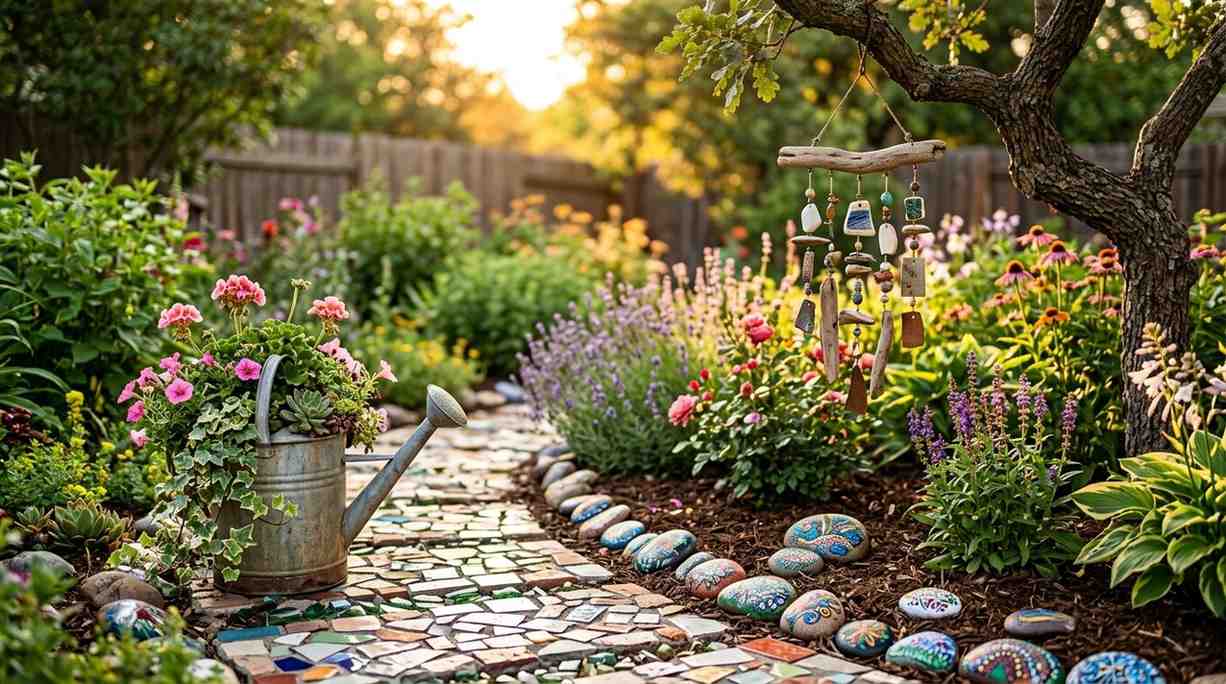
Every garden has a personality waiting to emerge. Whether you tend a sprawling backyard, a compact patio, or a modest side yard, handmade decorations give outdoor spaces depth and warmth that store-bought pieces simply cannot replicate. Garden art DIY projects have become one of the most popular outdoor improvement pursuits across the USA — combining creativity, sustainability, and personal expression into one satisfying activity. This guide covers everything from beginner crafts to ambitious sculptural builds, including weatherproofing, color coordination, and design principles that most guides overlook entirely.
Why Handmade Garden Art Is a Smarter Choice Than Store-Bought Décor
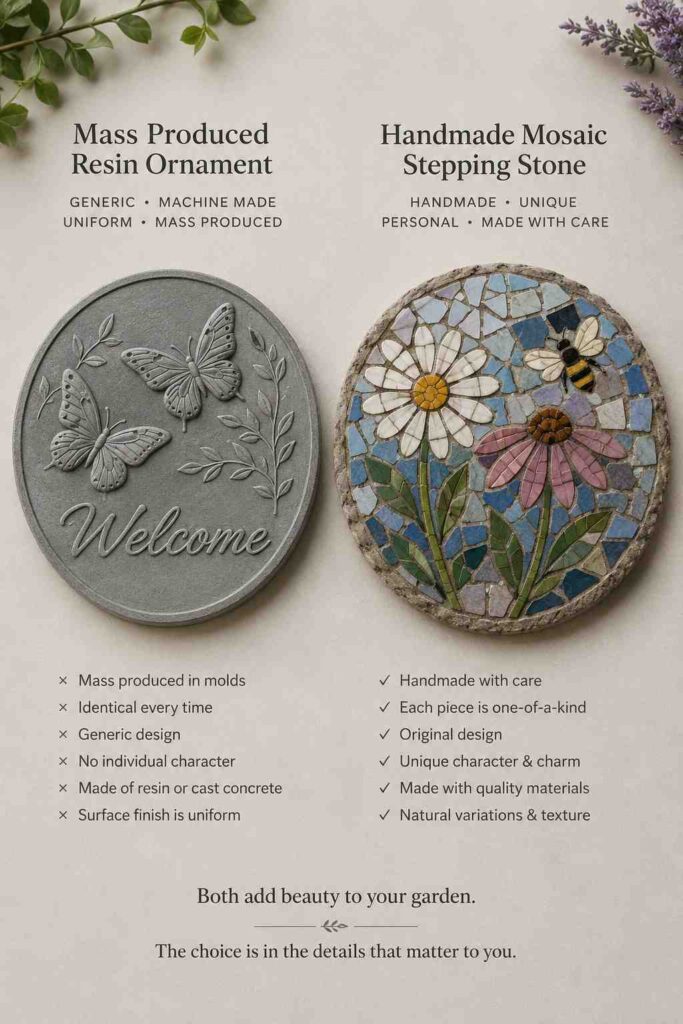
Decorating your yard with handmade pieces is as much a practical decision as an artistic one. DIY garden art costs a fraction of comparable retail outdoor sculptures. A set of mosaic stepping stones retailing for $80–$120 at a garden center can be made at home for under $15. Beyond savings, each handmade piece carries genuine meaning — the driftwood collected during a family trip, the tile mosaic assembled from a kitchen remodel’s leftover shards. That personal story transforms a yard from merely decorated to truly lived-in.
Essential Materials and Tools for Your Garden Art DIY Journey
Natural Materials You Already Have
Before purchasing anything, look around your own property. River rocks, driftwood, cracked terracotta pots, fallen branches, and dried seed pods are excellent starting points. Natural items blend organically into garden environments and age gracefully — developing patinas that only improve their character over time.
Budget-Friendly Supplies Worth Buying
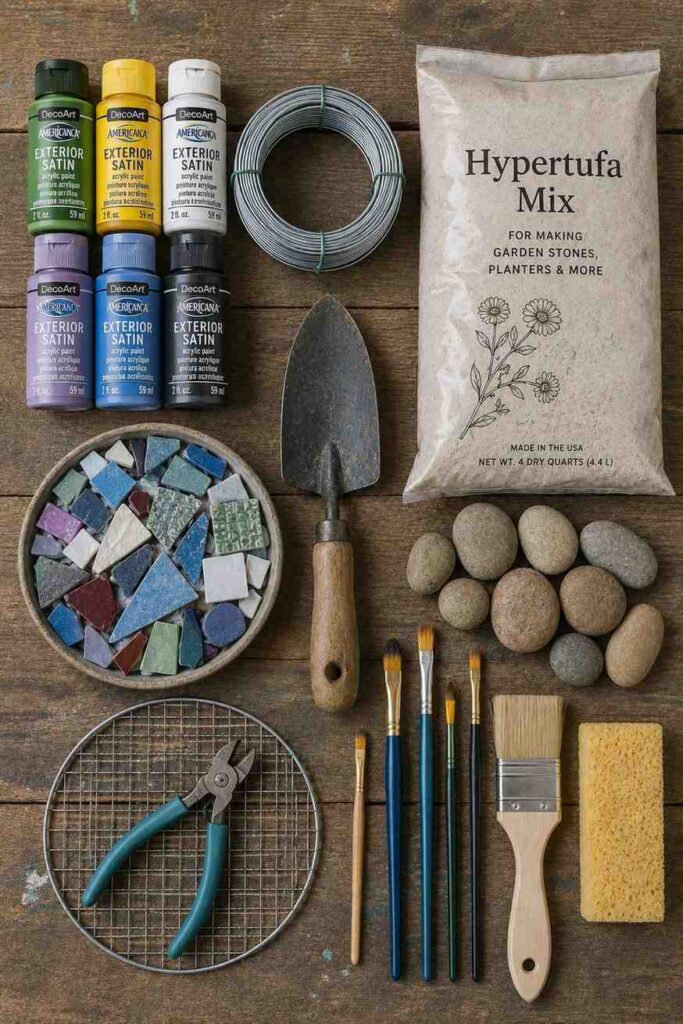
For structured builds, a modest investment in the right supplies pays off in quality and longevity:
- Exterior acrylic or enamel paint — UV-stable and water-resistant
- Waterproof tile adhesive and outdoor grout — essential for mosaic work
- Galvanized wire or rebar — for sculptural armatures and trellis forms
- Outdoor-grade sealant or varnish — to protect all finished surfaces
- Portland cement or hypertufa mix — for cast ornaments and planters
A $20–$50 budget comfortably covers two or three beginner projects. Intermediate builds typically run $50–$150 depending on scale and materials selected.
Top Garden Art DIY Ideas Ranked by Skill Level
1. Painted Rock Arrangements (Beginner)
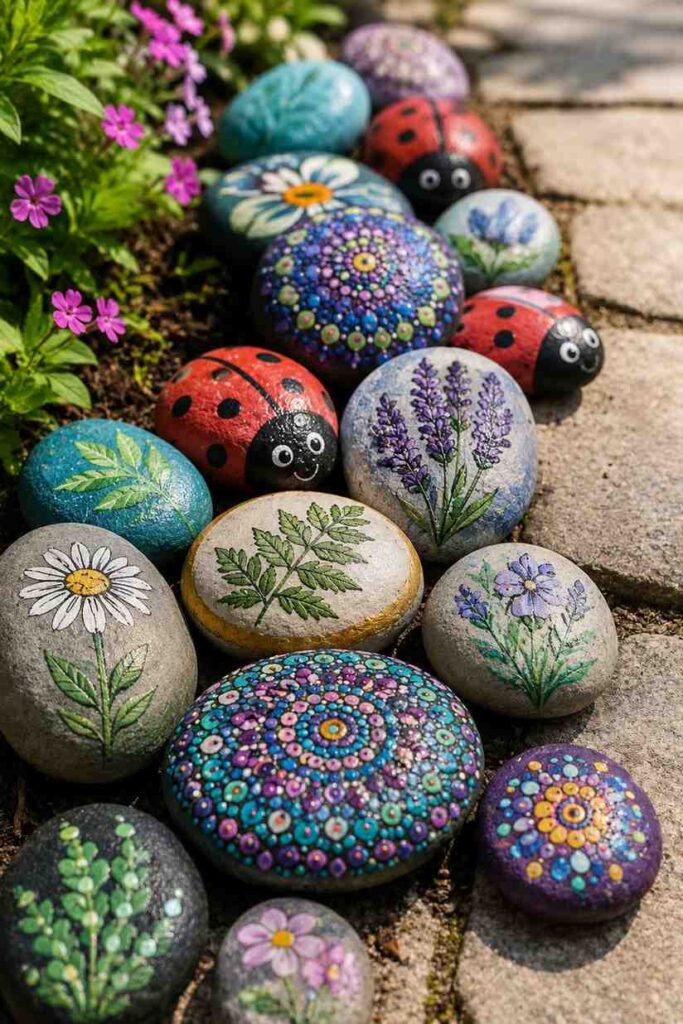
Painted rocks are the most accessible garden art DIY entry point available. Collect smooth, flat stones from a riverbed or purchase them at a landscape supplier. Apply exterior acrylic paint to create mandalas, botanical motifs, animal illustrations, or abstract color blocks. Protect each piece with two coats of UV-resistant outdoor varnish. Arrange them along pathways, tuck them among flower beds, or stack them into cairns near water features. Properly sealed rocks maintain their color for two to three years with minimal upkeep.
2. Mosaic Stepping Stones (Beginner to Intermediate)
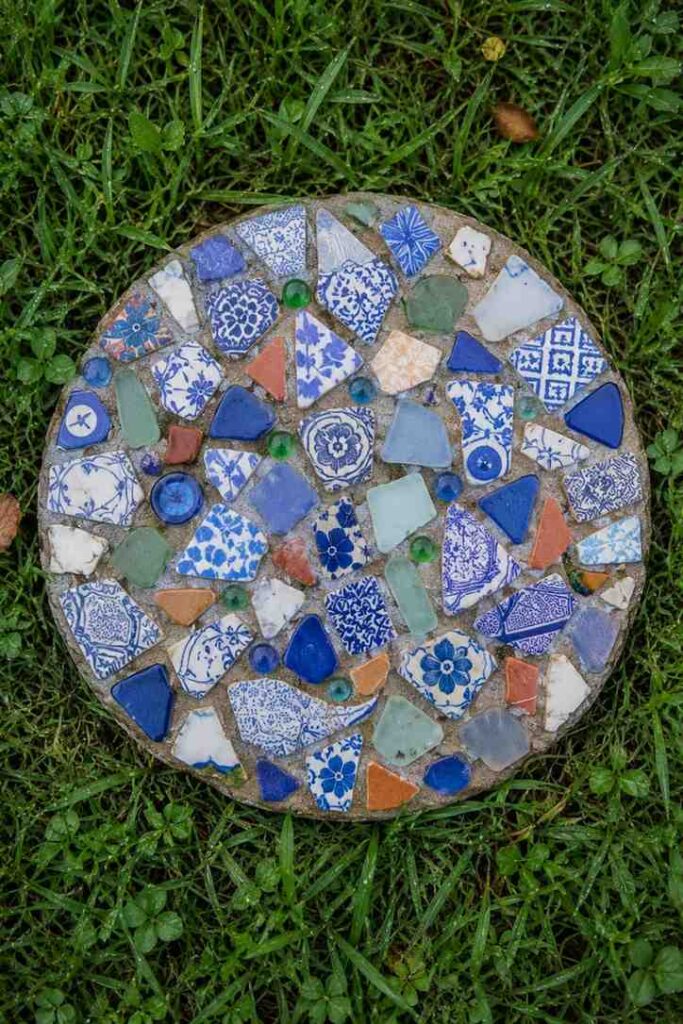
Mosaic stepping stones are a classic form of handmade yard art that rewards patience with striking results. Use pre-cast concrete discs from a garden center, or pour your own using quick-set concrete in a round mold. Apply broken tile shards, beach glass, or ceramic pieces with waterproof adhesive, then grout and seal the surface. These pieces work as both practical walkway elements and garden focal points, withstanding rain, frost, and sun for many seasons.
3. Driftwood and Branch Sculptures (Intermediate)
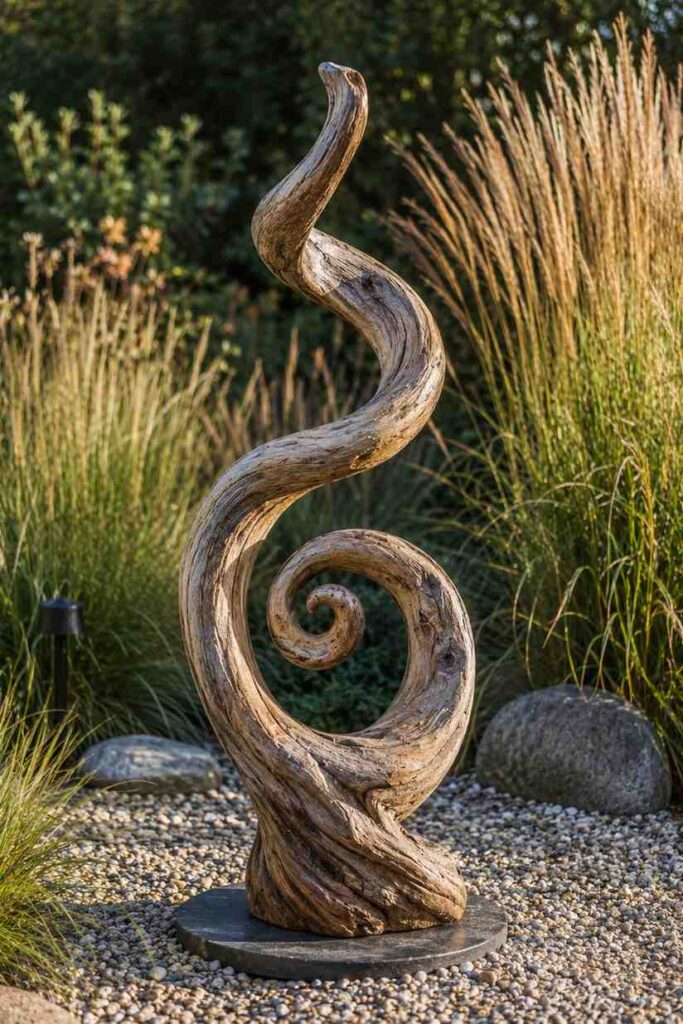
Foraged driftwood and branches become striking sculptural material with patience and wire. Shape pieces into spirals, stacked towers, geometric frames, or animal silhouettes. Secure joints with weatherproof adhesive or galvanized wire. Treat finished pieces with a penetrating oil sealant to extend their outdoor lifespan by two to three seasons. Driftwood sculptures work beautifully as focal points in gravel gardens, Zen-inspired spaces, or near backyard water features.
4. Recycled Bottle and Glass Art (Beginner)
Bottle trees — upright metal poles with colorful glass bottles placed over each branch — are a beloved American folk art tradition tracing back to an 18th-century West African cultural practice, where glass bottles were believed to capture harmful spirits. Today, they serve as sun-catching yard accents across the American South and beyond. Old wine bottles, mason jars, and colored glass vessels placed over rebar stakes driven into the ground create beautiful light effects throughout the day at virtually zero cost.
5. Wire Trellis Sculptures (Intermediate)
Heavy-gauge galvanized wire shaped into animal figures, geometric frames, or abstract spirals creates sophisticated backyard art that serves a dual purpose. As climbing plants — roses, clematis, sweet peas — grow through and around the wire form, the structure becomes a living installation that evolves through each season. Use pliers, wire cutters, and protective gloves for shaping. Anchor the base firmly with buried rebar or a concrete footer.
6. Concrete Garden Ornaments (Intermediate to Advanced)
Concrete is one of the most versatile materials for outdoor crafts. If you’ve previously explored concrete diy projects for interior spaces like countertops or planters, those skills translate directly into the garden. Pressing large hosta or elephant ear leaves into a concrete-filled sand mold creates breathtaking leaf-cast birdbaths and garden bowls. Hypertufa — a blend of Portland cement, perlite, and peat moss — is especially popular for garden pots because it mimics weathered stone and weighs far less than solid concrete. Resources like outinteriors offer curated inspiration to bridge indoor design sensibilities and outdoor creative expression, helping homeowners develop a unified aesthetic from living room to garden path.
7. Upcycled Salvage Installations (Intermediate)
Wrought iron bed frames, weathered wooden ladders, old shutters, and rusted farm tools can all become extraordinary garden art DIY centerpieces—a vintage iron headboard mounted in the ground frames climbing roses beautifully. A worn ladder hung horizontally on a fence supports cascading potted herbs at varying heights. This approach is rooted in resourcefulness — the most compelling outdoor art often costs nothing beyond the creativity required to see potential in what others discard.
Bringing Indoor Design Sensibility Into the Garden
The principles behind a great interior refresh translate perfectly outdoors. If you’ve recently completed a bedroom makeover and discovered your affinity for layering textures, coordinating a palette, and anchoring a space with one strong focal point, those same instincts serve you well in the yard. Exploring concrete diy projects both indoors and out builds a cohesive material story across your entire property.
Weather-Proofing Your Outdoor Art for Long-Term Beauty
The most overlooked step in outdoor crafting is proper sealing. Without it, painted surfaces crack, wood rots, and metal corrodes — often within a single season. Follow these steps to significantly extend the life of every handmade piece:
- Apply two to three coats of exterior-grade sealant to all painted and wooden surfaces before placing outdoors
- Use a rust-inhibiting primer beneath paint on any metal elements
- Elevate sculptures slightly off the soil using pot feet or small flat stones to prevent moisture wicking
- Bring lightweight pieces indoors during hard winter freezes or cover them with breathable burlap
- Re-seal every spring before the outdoor season begins
With consistent care, handmade outdoor art comfortably lasts five to ten years.
Color, Texture, and Placement: Designing a Cohesive Garden Display
Color coordination matters outdoors just as much as indoors. When planning your garden art DIY layout, work with a palette of two to three accent colors that complement your existing plants and hardscaping. Warm tones — terracotta, burnt orange, mustard — blend naturally with cottage and wildlife gardens, while cool blues, silvers, and whites suit modern or coastal spaces. Vary placement heights deliberately: combine ground-level stone arrangements with mid-height sculptures and elevated wall art to create depth and visual movement. Odd-numbered groupings of three, five, or seven pieces read as more dynamic than even arrangements.
Getting the Whole Family Involved
Garden art DIY is one of the most inclusive outdoor activities families can share. Children as young as four can participate in painted rock projects using non-toxic, washable paint. Older kids can try guided mosaic work or basic concrete casting under adult supervision. Creating together outdoors builds patience, creativity, and shared ownership over the space — and watching handmade pieces mature through the seasons gives young makers a lasting connection to the natural world.
Conclusion:
Creating your own DIY garden art is far more than a seasonal hobby. It is a meaningful form of self-expression that transforms ordinary outdoor spaces into personal galleries. Whether you’re pressing leaves into hypertufa, arranging hand-painted stones along a path, or shaping a driftwood sculpture above a flower bed, every project adds authenticity that no mass-produced ornament can replicate. Start with what you have, invest in the right finishing supplies, and let your outdoor space evolve naturally. Your garden is waiting to become a reflection of you.
Frequently Asked Questions About Garden Art DIY
Q1: What is the easiest garden art DIY project for complete beginners?
Painted rocks are the most accessible starting point. They require no special tools, cost almost nothing, and take under an hour to complete. All you need are smooth stones, exterior acrylic paint, and a clear outdoor sealant to lock in the design.
Q2: How do I make outdoor crafts weatherproof?
Apply at least two coats of exterior-grade sealant or UV-resistant varnish to all painted and wood-based surfaces. Use waterproof grout for mosaic projects and rust-inhibiting primer beneath metal paint. Reapply sealant each spring to maintain lasting protection.
Q3: What is hypertufa, and why is it popular for garden ornaments?
Hypertufa is a lightweight alternative to solid concrete, made from Portland cement, perlite, and peat moss. It closely resembles natural weathered stone, weighs far less, and is ideal for casting garden pots, birdbaths, and sculptural ornaments. It remains a favorite material for naturalistic and cottage garden enthusiasts across the USA.
Q4: Can indoor craft supplies be used for outdoor projects?
Standard indoor craft paints and adhesives are not formulated for outdoor exposure. They fade, crack, or peel within a single season. Always choose exterior-grade acrylic or enamel products and finish every outdoor piece with a weatherproof topcoat.
Q5: How much do typical outdoor art projects cost?
Beginner projects like painted rocks or bottle trees can cost under $10 when using recycled materials. Intermediate projects like mosaic stepping stones typically run $25–$60. Advanced concrete or metal builds may reach $75–$150 but produce durable pieces that last many years.
Q6: Is outdoor art and craft suitable for small balconies or patios?
Absolutely. Vertical garden art — wall-mounted mosaics, hanging driftwood mobiles, tiered painted pot displays — maximizes visual impact without requiring ground area. A single well-placed handmade piece can transform even a small balcony into a personal outdoor sanctuary.
Q7: How do I anchor outdoor garden sculptures against the wind?
For lightweight pieces, use ground stakes or short rebar driven into the soil. Heavier concrete or stone works can rest on flat flagstones or be partially embedded for stability. Tall or top-heavy pieces benefit most from a buried concrete footer.