Kitchen Layout Renovation: A Complete Guide to a Smarter, More Functional Space
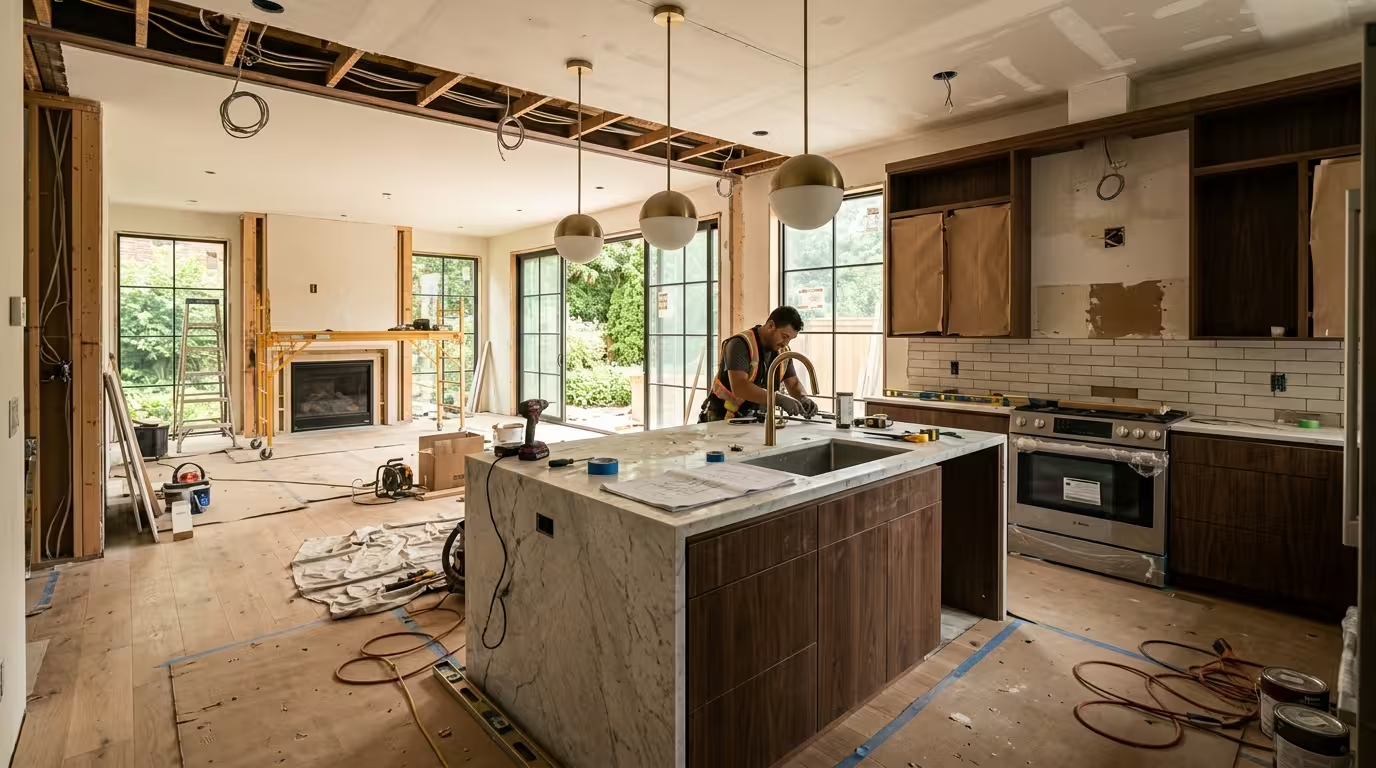
A successful kitchen layout renovation does more than make a room look new. It changes how your home works every morning, every weeknight, and every time guests gather around the counter. The best kitchens feel calm because everything has a purpose: groceries land near storage, dishes move easily from table to sink, and the cook can work without dodging open drawers or passing traffic.
Many homeowners begin with cabinet colors, countertops, or appliances. Those choices matter, but layout comes first. Before finishes are selected, the space must support the way you cook, clean, store, move, and live. A beautiful kitchen that forces extra steps or creates daily bottlenecks will never feel finished. This guide walks through the planning decisions that help a remodel feel natural, efficient, and built for real life.
Why Kitchen Layout Renovation Should Start With Daily Habits
The smartest kitchen layout renovation begins with observation. Spend a few days noticing how your current kitchen behaves under pressure. Where do groceries pile up? Which cabinet is always too full? Do two people collide near the sink? Does the dishwasher block a drawer when it is open? These small frustrations reveal more than a showroom display ever can.
Write down your normal routines. A family that packs lunches every morning needs a different setup than someone who cooks large weekend meals. A household with children may need snack storage at a lower height, while frequent entertainers may want a beverage zone away from the main cooking path. Layout planning becomes easier when it is tied to repeated actions instead of vague wishes.
Understand the Main Kitchen Layout Options
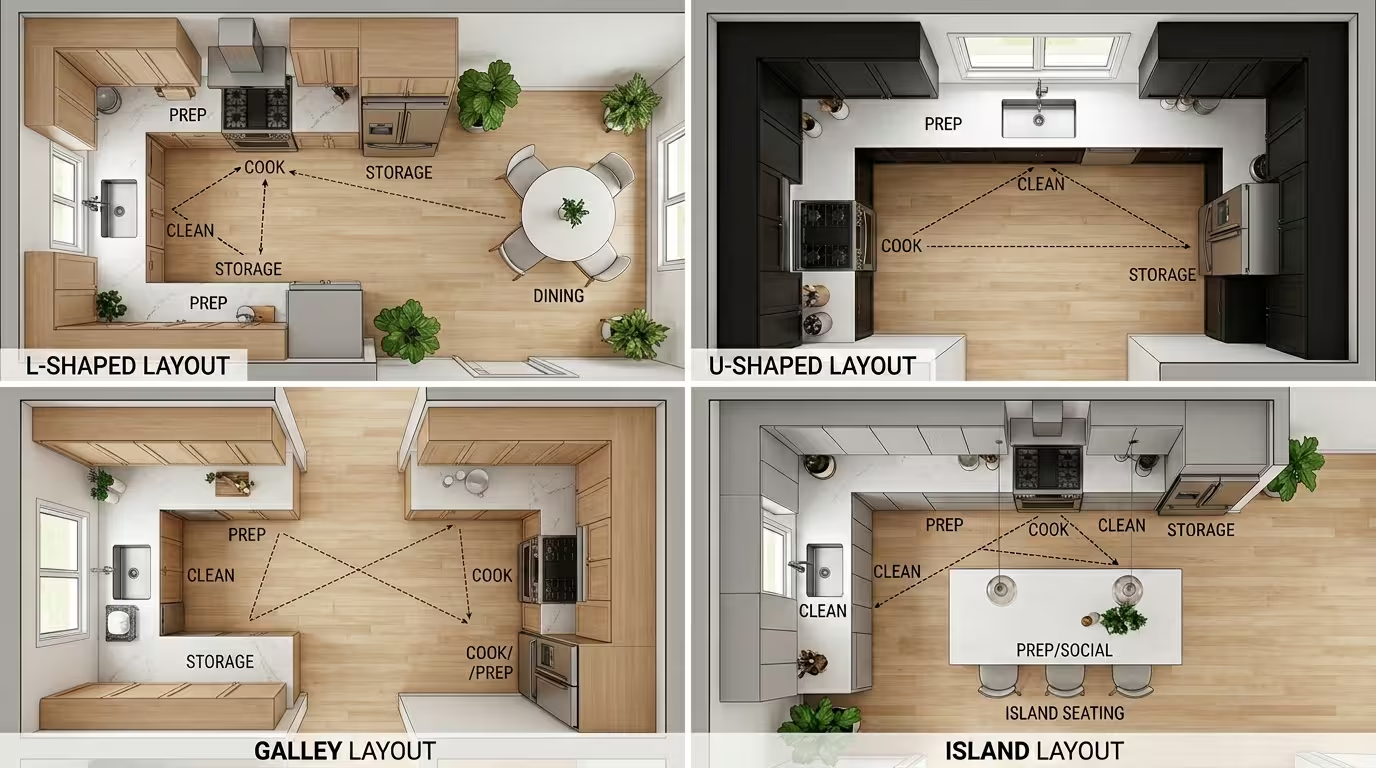
Most kitchens are based on a few familiar shapes: L-shaped, U-shaped, galley, one-wall, G-shaped, peninsula, or island layouts. KitchenAid identifies U-shaped, L-shaped, galley, one-wall, G-shaped, and island-based kitchens as common layout types, with each serving different space and workflow needs.
An L-shaped kitchen works well in open spaces because it keeps two walls active while leaving room for dining or an island. A U-shaped kitchen offers generous storage and counter space, but it needs enough aisle width to avoid feeling boxed in. A galley kitchen can be highly efficient because work areas sit across from one another, though traffic control is essential. A one-wall kitchen is compact and often suits apartments, small homes, or open-plan living areas.
Use the Work Triangle, But Do Not Stop There
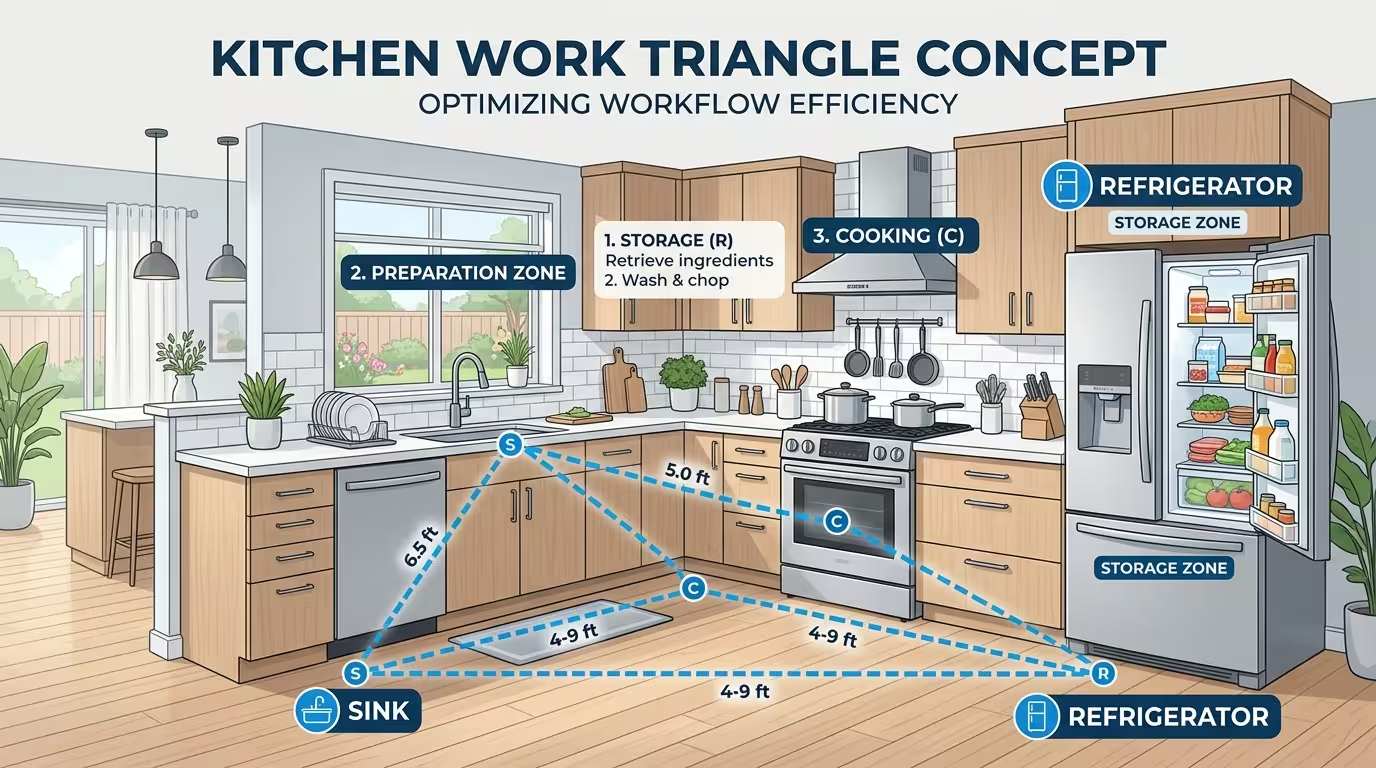
The classic work triangle connects the sink, refrigerator, and cooking surface. It remains useful because these three points shape many cooking tasks. The NKBA planning guideline recommends that the combined distance between three work centers total no more than 26 feet, with each leg no shorter than 4 feet and no longer than 9 feet. It also advises that no triangle leg should be blocked by an island, peninsula, or obstacle by more than 12 inches.
Still, modern homes often need more than one triangle. Two cooks, large islands, wall ovens, beverage refrigerators, and walk-in pantries can create several work zones. A strong kitchen layout renovation respects the triangle while also planning zones for prep, cleanup, storage, serving, and gathering.
Build Clear Zones for Cooking, Prep, Cleanup, and Storage
Defined zones are becoming central to modern kitchen planning. Designers interviewed by Good Housekeeping describe a growing move toward distinct areas for cooking, prep, cleanup, storage, and gathering, often supported by islands, appliance garages, walk-in pantries, sculleries, or secondary prep spaces.
A prep zone should include open counter space, knives, cutting boards, mixing bowls, compost or trash access, and ideally water nearby. A cooking zone needs pans, oils, spices, utensils, and heat-safe landing space. A cleanup zone should connect the sink, dishwasher, trash, and everyday dish storage. A storage zone organizes pantry goods, small appliances, bulk items, and overflow pieces. When each area has a job, the whole kitchen becomes easier to maintain.
Plan Walkways and Work Aisles Before Choosing an Island
An island can improve a kitchen, but only when there is enough room around it. Better Homes & Gardens recommends at least 42 inches of walkway width in work zones for one cook and 48 inches for multiple cooks. It also notes that passageways should generally be at least 36 inches wide for comfortable movement.
This is where many remodels go wrong. A large island may look impressive on a floor plan, but it can become an obstacle if appliance doors, stools, or people crowd the path. During a kitchen layout renovation, mark the proposed island on the floor with painter’s tape. Open the refrigerator, oven, dishwasher, and nearby drawers. Then walk through the space as if you were cooking dinner. The test often reveals what a drawing hides.
Choose the Right Island for Your Actual Space
A good island should support the kitchen rather than dominate it. If the room is medium-sized, a single island can provide prep space, seating, storage, and a casual serving area. If the kitchen is very large, two smaller islands may work better than one oversized block because they can separate food preparation from seating or homework. Designers increasingly favor layouts that keep movement intuitive instead of forcing people around a massive center feature.
For a practical kitchen layout renovation, decide the island’s main role before designing it. A prep island may need a sink and trash pullout. A social island may need comfortable seating and outlets. A storage island may need deep drawers. Trying to make one island do everything can reduce its usefulness.
Make Storage Part of the Floor Plan
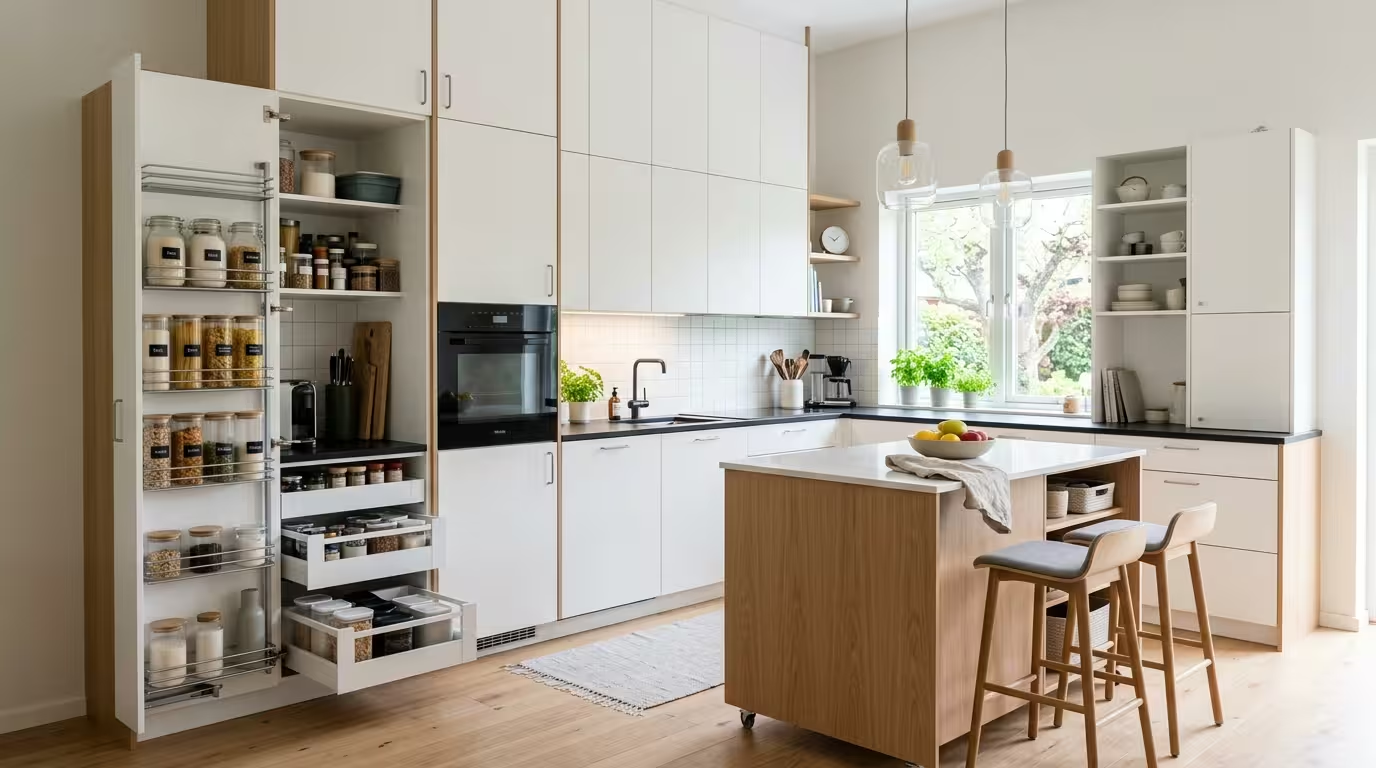
Storage should not be treated as a cabinet count. It should be mapped according to use. Everyday plates belong near the dishwasher or dining area. Pots and pans belong near the range or cooktop. Coffee supplies should sit near mugs, water, and the coffee maker. Baking tools need a surface, outlets, dry storage, and room for trays.
Houzz’s 2025 U.S. Kitchen Trends Study found that renovating homeowners value islands for both storage and extra counter space, with drawers and cabinets among common island storage features. This confirms what many families already know: storage works best when it is built into the places where tasks happen. Deep drawers, tray dividers, pullouts, appliance garages, and pantry cabinets can make a kitchen feel larger without expanding its footprint.
Do Not Overlook Landing Space
Landing space is the counter area beside the appliances and sinks. It is where hot pans rest, groceries land, dishes stack, and ingredients wait their turn. Without enough landing space, even a large kitchen feels awkward. Better Homes & Gardens recommends planning around sink, refrigerator, and cooking areas with specific counter clearances, including 15 inches near refrigerator access and landing space around cooking elements and ovens.
During a kitchen layout renovation, imagine carrying a heavy roasting pan from the oven, unloading groceries, or draining pasta. Where would each item go safely? A narrow counter beside a range may look fine, but daily cooking quickly exposes the weakness. Good landing space reduces spills, burns, and frustration.
Improve Lighting by Layering It
Lighting affects both appearance and safety. A single ceiling fixture creates shadows exactly where you chop, read labels, or check food on the stove. A better plan layers ambient lighting, task lighting, accent lighting, and natural light. Better Homes & Gardens recommends task lighting above every work area and notes that windows or skylights should cover at least 8% of the kitchen’s total square footage for natural light.
Under-cabinet lights are especially helpful for prep zones. Pendants can define an island, but they should not block sightlines. Recessed lights work best when aligned with counters, not placed only in the center of the room. Dimmers add flexibility for cooking, dining, and late-night use.
Design for Universal Comfort and Long-Term Use
A kitchen should work for different ages, heights, and abilities. Universal design is not only for aging homeowners; it benefits children, guests, injured family members, and anyone carrying heavy items. Better Homes & Gardens, with input from NKBA-accredited professionals, highlights features such as pull-out storage, drawers below counters, single-lever faucets, D-shaped pulls, matte surfaces, varied counter heights, accessible appliance placement, and wider aisles.
A future-friendly kitchen layout renovation may include a microwave drawer, a wall oven at a comfortable height, induction cooking, low-glare counters, pullout shelves, and a seated prep area. Small choices now can make the kitchen safer and easier to use for years.
Think Carefully About Appliance Placement
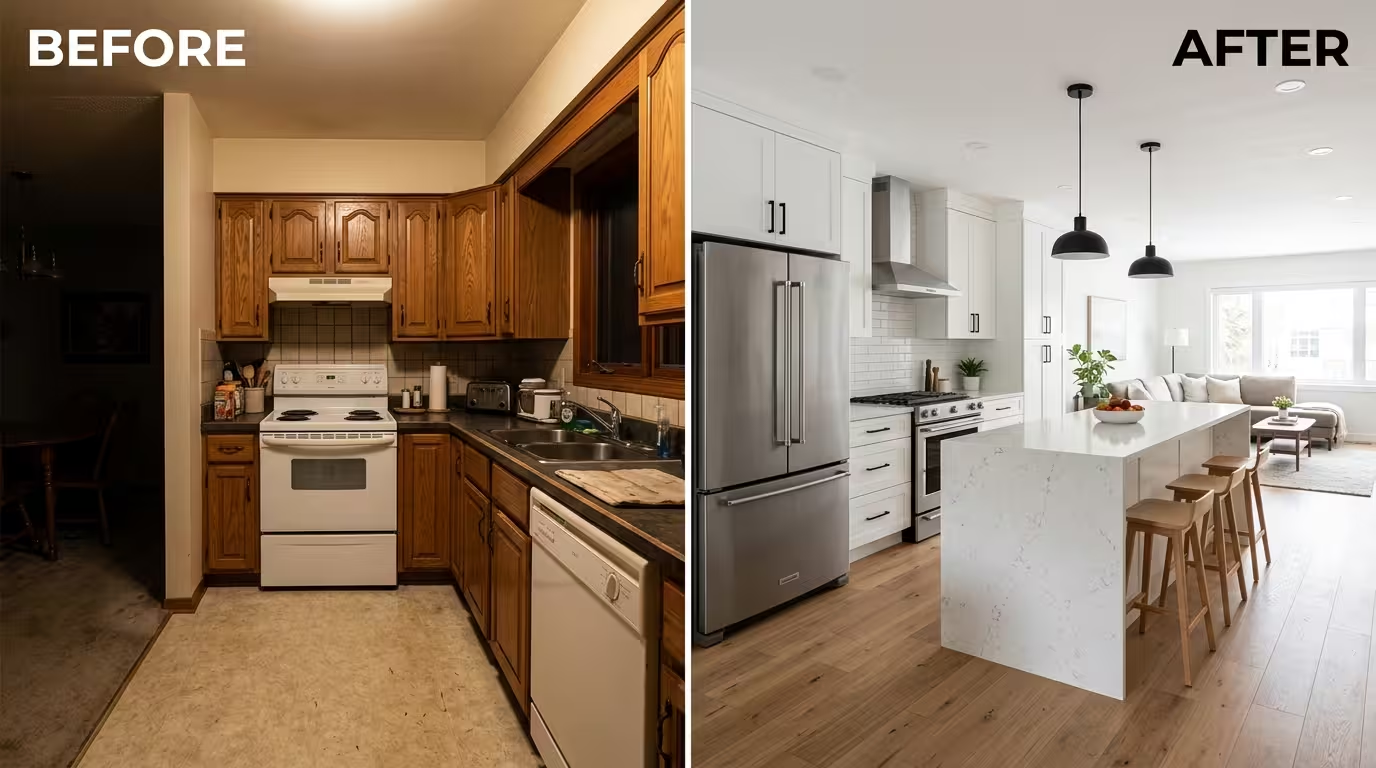
Appliances shape the rhythm of the room. The refrigerator should be easy to reach from the kitchen entrance so family members can grab drinks or snacks without crossing the cooking zone. The dishwasher should sit close to the sink and near dish storage. The range needs landing space and ventilation. The microwave should match the user’s height and habits.
Better Homes & Gardens recommends positioning the dishwasher within 36 inches of a sink edge and allowing clearance around it for smooth operation. This kind of detail matters because appliance conflicts are expensive to fix after installation. Before finalizing the plan, check every door swing, drawer path, and handle clearance.
Create a Kitchen Layout Renovation Plan for Small Spaces
Small kitchens reward discipline. Instead of forcing in every popular feature, choose the layout that gives the room breathing space. A galley, one-wall, or compact L-shaped plan may outperform a cramped island layout. In very limited rooms, a movable table or rolling cart can add flexible prep space without permanently blocking circulation.
For a small kitchen layout renovation, use vertical storage, narrow pullouts, drawer organizers, toe-kick drawers, and wall-mounted rails where appropriate. Keep the main prep zone clear rather than spreading small counters across several disconnected areas. Light finishes can help, but layout matters more than color. A small kitchen with clear zones and smart storage often feels better than a larger kitchen with poor flow.
Create a Plan for Open-Concept Kitchens
Open kitchens need extra planning because they are visible from the living and dining areas. The challenge is to support cooking while controlling clutter. A large island can become the transition point between work and gathering, but it should not turn cleanup into a public display. Consider placing the sink where mess is easier to manage, using panel-ready appliances, or adding a scullery, butler’s pantry, or appliance garage if space allows.
The NKBA reports that 76% of respondents expect kitchen footprints to increase over the next three years, with kitchens influencing whole-home design more strongly. That makes visual connection important. Materials, sightlines, and storage should help the kitchen feel connected without sacrificing function.
Avoid the Most Common Layout Mistakes
The most common mistake is choosing looks before movement. A narrow island, oversized refrigerator, or poorly placed range can create years of annoyance. Another mistake is letting traffic pass directly through the cooking zone. Children, guests, and pets should be able to move through the room without crossing hot surfaces or sharp prep areas.
A poor kitchen layout renovation also ignores trash placement, small appliance storage, and dish unloading. If the trash is across the room from prep, scraps will drip across the floor. If plates are far from the dishwasher, cleanup takes longer. If the coffee maker sits in the main cooking path, mornings become crowded. Small inefficiencies repeat daily, so they deserve attention during planning.
Balance Style With Practical Maintenance
Materials should support the layout, not fight it. A waterfall island may look elegant, but it can reduce accessible storage or seating comfort if poorly planned. Open shelves can make a kitchen feel lighter, but they work best for items used often. Dark counters may add drama, yet they can show crumbs or watermarks depending on the surface. Matte finishes may reduce glare and support easier visibility for many users.
Choose finishes after the floor plan is stable. Then match materials to the zones. Durable counters suit prep areas. Easy-clean backsplashes belong behind cooking zones. Comfortable flooring matters where people stand the longest. Style lasts longer when it serves daily life.
Budget by Priority, Not by Trend
A smart budget protects the parts that are hardest to change later. Layout, electrical planning, plumbing placement, ventilation, cabinetry quality, and lighting should come before decorative upgrades. Hardware, paint, stools, and pendants are easier to replace than a poorly placed sink or a cramped aisle.
For a kitchen layout renovation, divide spending into structure, function, durability, and finish. Structural changes include walls, windows, plumbing, and electrical work. Functional upgrades include cabinets, drawers, lighting, ventilation, and appliances. Durability covers surfaces that take daily wear. Finishes bring personality. This order helps prevent a common regret: spending heavily on visible details while leaving the kitchen inconvenient to use.
Work With Professionals at the Right Time
Even confident homeowners benefit from professional input before demolition. A kitchen designer, cabinet specialist, contractor, electrician, plumber, or structural engineer may spot issues that are easy to miss. Walls may contain ducts, plumbing, or wiring. Moving a sink or range can trigger permit, venting, or utility requirements. Cabinet measurements must account for fillers, trim, appliance panels, and uneven walls.
Bring professionals into the process once you have a clear wish list and routine-based notes. Ask them to review aisle widths, appliance clearances, lighting placement, storage access, and code requirements. The best collaboration happens when personal habits and technical expertise meet early.
A Step-by-Step Kitchen Layout Renovation Checklist
Start by measuring the room, including doors, windows, ceiling height, outlets, vents, plumbing, and appliance locations. Next, write down what works and what fails in the current space. Then choose the main layout shape that fits the room rather than forcing a feature that does not belong. After that, map zones for prep, cooking, cleanup, storage, serving, and seating.
Test the plan with real scenarios. Imagine unloading groceries, preparing breakfast, hosting guests, cleaning after dinner, and cooking with another person. Check aisle widths, appliance doors, trash access, dish storage, and lighting. Only then should you finalize cabinets, counters, finishes, and hardware. A careful kitchen layout renovation becomes much easier when every choice supports a clear daily purpose.
Conclusion
A great kitchen is not defined by size, price, or one impressive feature. It is defined by how naturally it supports the people who use it. When the refrigerator is easy to reach, prep space is generous, cleanup flows smoothly, and storage sits where it is needed, the room feels calm even on busy days.
The best kitchen layout renovation starts with habits, then uses proven planning principles to shape a better space. Focus on movement, zones, lighting, storage, safety, and long-term comfort before choosing finishes. With a thoughtful plan, your kitchen can become more than a renovated room. It can become the most dependable, welcoming, and useful space in your home.