
This One Everyday Feature Cheapens the Look of Your Bedroom — Here’s How to Fix It

A bedroom can have good paint, decent furniture, and soft lighting, yet still feel slightly tired the moment you walk in. The problem is often not the wall color or the nightstand. It is the bed itself, and more specifically, the comforter sitting on top of it. This one everyday feature cheapens the look of your bedroom when it becomes flat, lumpy, faded, wrinkled, or poorly styled.
A comforter takes up more visual space than almost anything else in the room. It covers the bed, anchors the color palette, and sets the first impression. When it looks worn out, the whole room feels neglected. When it looks full and intentional, even a modest bedroom can feel calmer.
The good news is simple: you do not need a full bedroom makeover. Judge your bedding honestly, refresh what can be saved, and replace what is past its prime.
Why This One Everyday Feature Cheapens the Look of Your Bedroom
The comforter is not a small accessory. It is the largest soft surface in most bedrooms, so it controls the mood of the room. A sagging comforter makes the bed look unmade even when neatly pulled up. A faded one can dull the color scheme. A clumpy one creates shadows that feel careless.
That is why this one everyday feature cheapens the look of your bedroom more than people expect. You may stop noticing it because you see it every day. Guests, buyers, or your own fresh eyes after a trip will notice it immediately. The bed tells the room’s story before the lamps, art, rug, or curtains.
The Comforter Problem: Why It Ages So Badly
A comforter goes through years of pressure, heat, body oils, washing, folding, pet hair, and daily use. Over time, the filling shifts. Corners lose volume. The center flattens. Outer fabric becomes dull. Even if it still feels comfortable, it may no longer look crisp.
Many people keep a comforter too long because it feels familiar. But if the bed looks tired, the entire room absorbs that tiredness. A comforter does not have to be luxury-grade to look good. It does need structure, fullness, and clean fabric. Once those qualities are gone, styling becomes harder.
Signs Your Comforter Is Making the Room Look Cheap

You do not need a designer to spot the problem. Stand at the bedroom door in daylight and look at the bed without adjusting anything. If the comforter looks thin, limp, or shapeless from that angle, it is dragging the room down.
Common warning signs include:
- The filling has gathered into lumps or empty patches.
- The edges curl, sag, or look stretched.
- The color has faded unevenly.
- The surface stays wrinkled even after smoothing.
- The bed looks smaller or flatter than it should.
- The comforter no longer fills the duvet cover properly.
- The fabric has pilling, stains, yellowing, or thinning areas.
If two or more of these signs are visible, this one everyday feature cheapens the look of your bedroom even if the rest of the room is clean. A worn comforter makes other details look worse: pillows seem less plush, sheets look less fresh, and furniture appears more basic.
Related Articles:
- Small Bedroom Design Tips: Smart Ways to Make a Compact Room Feel Bigger
- archive dive 1970s bedrooms That Defined a Decade of Bold, Fearless Design
- Designer Living Rooms: How to Create a Space That Feels Elegant, Personal, and Livable
The Five-Second Doorway Test
Here is the fastest way to judge your bedding. Walk out of the room. Wait a few seconds. Walk back in and look only at the bed. Do not look at the art, the dresser, the rug, or the curtains. Ask yourself one question: Does the bed look inviting?
If your first impression is “flat,” “messy,” “heavy,” “old,” or “random,” the comforter is probably the issue. Bedrooms are emotional spaces. The bed should communicate rest first. If the top layer looks collapsed, the room cannot feel finished.
This test works because it removes the excuses you make while standing next to the bed. From the doorway, the comforter becomes part of the room’s visual architecture. You see its scale, shape, and texture together.
When to Replace a Comforter
A practical replacement window for many regularly used comforters is around five to seven years, especially when the fill has lost loft or the fabric no longer recovers well after cleaning. Some higher-quality inserts can last longer with careful care, while low-quality or heavily used pieces may decline sooner. The real answer is not only age. It is a condition.
Replace your comforter when it stays flat, smells musty after proper cleaning, shows permanent stains, or no longer distributes filling evenly. If shaking does not restore fullness, it is not just wrinkled. It is worn down.
This matters because this one everyday feature cheapens the look of your bedroom most when people keep trying to style a comforter that has structurally failed. You can hide minor wrinkles. You cannot style missing loft back into dead filling.
Clean First, Replace Second

Before spending money, clean the comforter properly. Dirt and body oils can make fabric look dull, and trapped moisture can leave bedding smelling stale. Cleaning may not fix a collapsed insert, but it can revive a comforter that is still structurally sound.
Check the care label first. Some comforters can be machine-washed; others need professional cleaning. If washing at home, use a large-capacity machine, a gentle detergent, and enough space for the comforter to move. Do not overload the washer. A packed machine can clean unevenly and twist the fill.
Drying is just as important. A comforter that is not fully dry can develop a musty odor. Use low heat when appropriate, pause to shake and redistribute the fill, and allow enough time for deep drying. Dryer balls can help loosen clumps and restore some volume.
How Often Should You Wash It?
Sheets touch your skin directly, so they need more frequent washing. Comforters do not always need the same schedule, but they still need regular care. A general rhythm is every two to three months for comforters and blankets, with duvet covers washed more often because they collect more direct contact from skin, hair, and daily use.
If you sleep with pets, sweat heavily, deal with allergies, or eat in bed, you should clean bedding more often. These habits add oils, odors, dander, and stains faster. A washable cover can protect the insert and reduce the need for frequent deep washing.
This is where many bedrooms quietly lose their polish. The comforter may not look filthy, but it can look dull, limp, and stale. That is another reason this one everyday feature cheapens the look of your bedroom long before you consciously label it as dirty.
The Styling Fix: If You Cannot Replace It Yet
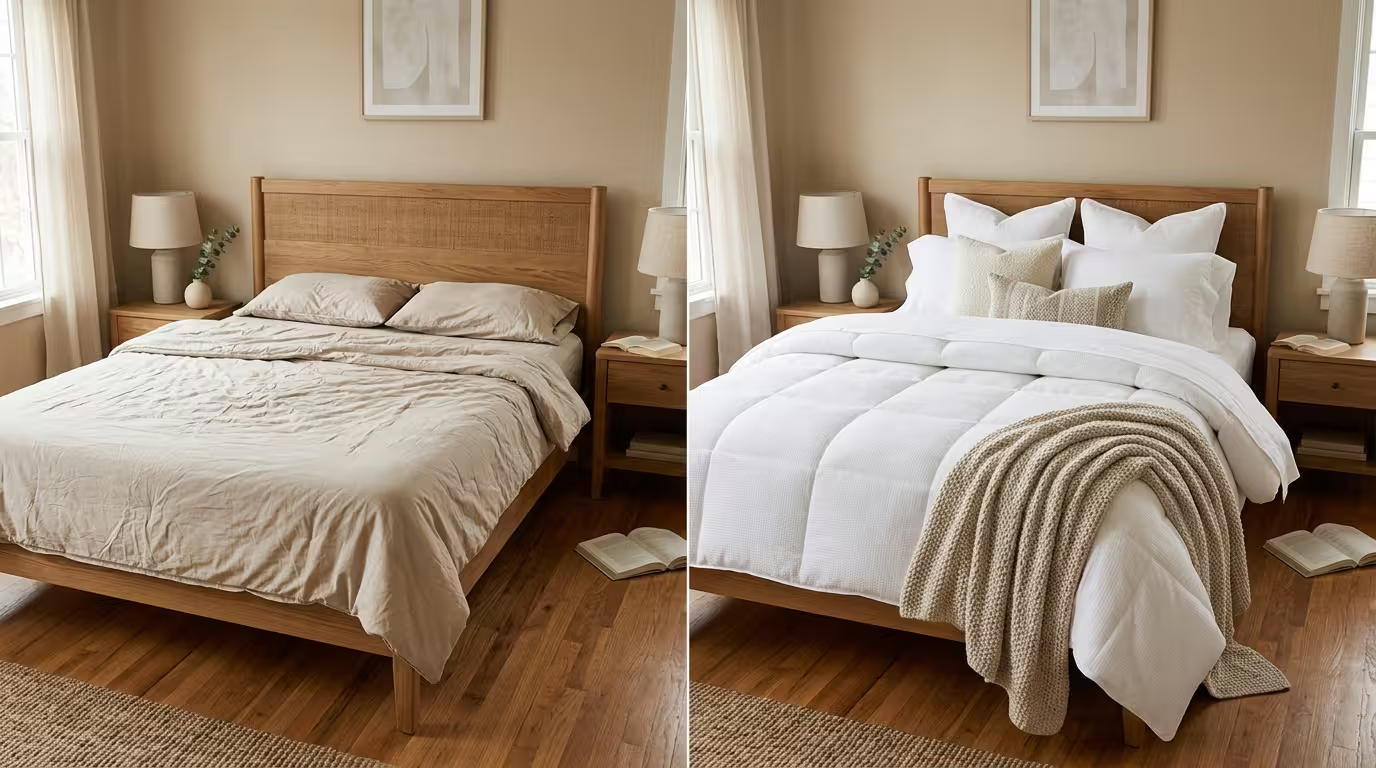
A new comforter is not always in the budget. That does not mean you should ignore the bed. Better styling can reduce the damage until you upgrade.
Start by folding the top third of the comforter back instead of pulling it flat to the pillows. This creates depth and makes the bed look more intentional. Add a clean top sheet or blanket underneath so the fold reveals a fresh layer. Then place pillows in a structured arrangement instead of scattering them loosely.
Use a throw blanket across the foot of the bed to distract from a weak center section. Choose a texture that contrasts with the comforter, such as cotton knit, linen, waffle weave, or quilted fabric. The goal is not to hide everything. The goal is to make the bed look styled rather than neglected.
The Best Bedding Formula for a Polished Bed

A polished bed usually has layers, but it does not need to be complicated. Think of it as a simple stack: fitted sheet, flat sheet or duvet cover, comforter or insert, pillows, and one finishing layer. The finishing layer can be a throw, quilt, folded blanket, or long lumbar pillow.
For a queen bed, a clean formula is two sleeping pillows, two larger pillows or shams, and one accent pillow. For a king bed, use three sleeping pillows or king pillows, two to three larger pillows, and one long lumbar pillow. Too many tiny pillows can look fussy. Too few pillows can make the bed look bare.
If this one everyday feature cheapens the look of your bedroom, better layering helps restore balance. A flatter comforter looks less obvious when the bed has height at the headboard and texture at the foot.
Choose the Right Size, Not Just the Right Color
One common mistake is buying bedding that technically fits but visually looks too small. A full or queen comforter on a thick queen mattress may barely cover the sides. That creates a skimpy, budget look. If your mattress is deep, consider sizing up or choosing an oversized comforter.
The drop matters. The comforter should fall generously over the sides without exposing too much sheet or mattress. It should not drag heavily on the floor either. A clean, even drop makes the bed look tailored.
Color matters too, but size comes first. A beautiful color cannot fix a comforter that looks shrunken. If the bed looks underdressed, the room looks unfinished.
Fabric and Fill Make a Visible Difference
Material affects both comfort and appearance. Cotton often looks crisp. Linen has a relaxed texture. Microfiber can be affordable, though cheaper versions may look shiny or thin. Down and down-alternative fills can both look full, but quality varies.
Look for even stitching, box construction, or baffle-box design if you want the fill to stay distributed. You do not need the most expensive option, but you should avoid bedding that collapses after a few washes. A comforter should recover after shaking and fill the cover without empty corners.
Color Mistakes That Make Bedding Look Cheaper
Color can either hide wear or expose it. Bright white looks clean when maintained, but it shows stains quickly. Dark colors can look rich, but they may show lint, pet hair, and fading. Strong patterns can work, yet cheap-looking prints often age badly because the eye notices fading and distortion.
Safe choices include warm white, ivory, taupe, muted blue, soft gray, olive, clay, and other calm tones that work with your walls and furniture. This is another way this one everyday feature cheapens the look of your bedroom: the comforter may fight the room instead of supporting it.
Wrinkles Are Not Always the Enemy
A perfectly smooth bed is not the only attractive option. Linen and cotton can look beautiful with a natural texture. The difference is control. Relaxed bedding looks soft and deliberate; careless bedding looks slept-in all day. Smooth the sides, align the top edge, shake pillows before placing them, and fold one layer back neatly. If the comforter has hard creases, steam it lightly if the fabric allows or tumble it briefly on low with dryer balls.
The Duvet Cover Advantage
A duvet cover is one of the easiest ways to stretch the life of a comforter insert. It protects the insert from direct wear and gives you more control over style. Instead of replacing the whole comforter, you can change the cover to refresh the room.
A duvet cover also helps with cleaning. Covers are usually easier to wash than bulky inserts. This is useful for busy households, pet owners, and anyone who wants fresh bedding without wrestling a heavy comforter into the washer every few weeks.
The key is fit. A cover that is too large creates empty fabric and sagging corners. A cover that is too small compresses the insert and reduces loft. Use corner ties if available, and shake the duvet from the top corners after inserting it.
What to Buy If You Are on a Budget

Spend money where it changes the room the most. For many bedrooms, that means the comforter or duvet cover before decorative objects. A tired bed cannot be rescued by a new candle, tray, or wall print. Fix the largest visual surface first.
On a tight budget, choose a simple white or neutral duvet cover, a medium-weight insert, and one textured throw. This combination can look better than a pricey patterned comforter with no styling plan. Shop sales, outlet sections, and secondhand furniture stores for accessories, but be stricter with bedding hygiene and condition.
Avoid ultra-thin sets that include too many matching pieces. They can look convenient in the package but flat on the bed. A simpler set with better fabric usually looks more refined.
Bedroom Details That Make the Comforter Look Better
The comforter does not work alone. A headboard gives pillows a visual background. Bedside lamps add symmetry. A rug under the bed frames the sleeping area. Floor-length curtains make the room feel taller. Closed nightstand storage keeps clutter away from the bed.
Still, do not use those details to dodge the main issue. If the bedding is visibly worn, the room will still feel off. This one everyday feature cheapens the look of your bedroom because it sits at the center of the space and receives the most attention.
What Not to Do When This One Everyday Feature Cheapens the Look of Your Bedroom
Do not pile on ten pillows to hide a bad comforter. That often makes the bed look chaotic. Do not buy shiny bedding just because it seems “luxurious.” Shine can look harsh under bedroom lighting. Do not choose a comforter only because it is soft in the store. Softness matters, but structure matters too.
Do not keep an old comforter for guests if you would be embarrassed to use it yourself. Guest rooms should feel clean and cared for, not like storage for retired bedding. A bedroom can be relaxed, personal, and lived-in while still looking polished.
A Simple Weekend Refresh Plan
Strip the bed and check every layer: pillows, sheets, comforter, duvet cover, and throw. Wash what you can according to the care labels. Air out pillows and bulky bedding if the fabric and weather allow. Clean the headboard, vacuum under the bed, and clear the nightstands.
Then remake the bed with intention. Place the comforter evenly, fold the top back, add pillows by size, and finish with a throw. Step into the doorway and repeat the five-second test. If the room feels calmer, you fixed the right problem.
This One Everyday Feature Cheapens the Look of Your Bedroom, But It Is Easy to Correct
The comforter is easy to overlook because it is ordinary. You use it every night, wash it occasionally, and may keep it for years without thinking about its visual impact. But ordinary does not mean invisible. In a bedroom, the comforter is a major design feature.
Once you understand that, the solution becomes clearer. Keep it clean. Replace it when the fill fails. Choose the right size. Use a cover if needed. Add simple layers. Style the bed so it looks cared for, not staged.
That is the real lesson behind this one everyday feature cheapens the look of your bedroom. The room does not need to be expensive. It needs to look maintained, balanced, and restful.
Conclusion:
A bedroom rarely looks cheap because of one dramatic mistake. More often, it loses its charm through quiet wear: a flattened comforter, dull fabric, uneven filling, and a bed that never quite looks finished. Since the bed is the room’s focal point, the comforter carries more visual weight than most people realize.
If your room feels tired, start there. Clean it properly, style it better, and replace it when it no longer holds shape. This one everyday feature cheapens the look of your bedroom, but it can also be the fastest fix. A fuller, fresher, better-styled bed can make the whole space feel calmer, cleaner, and more thoughtfully designed.