Midcentury Modern Living Room Ideas for a Warm, Stylish Home
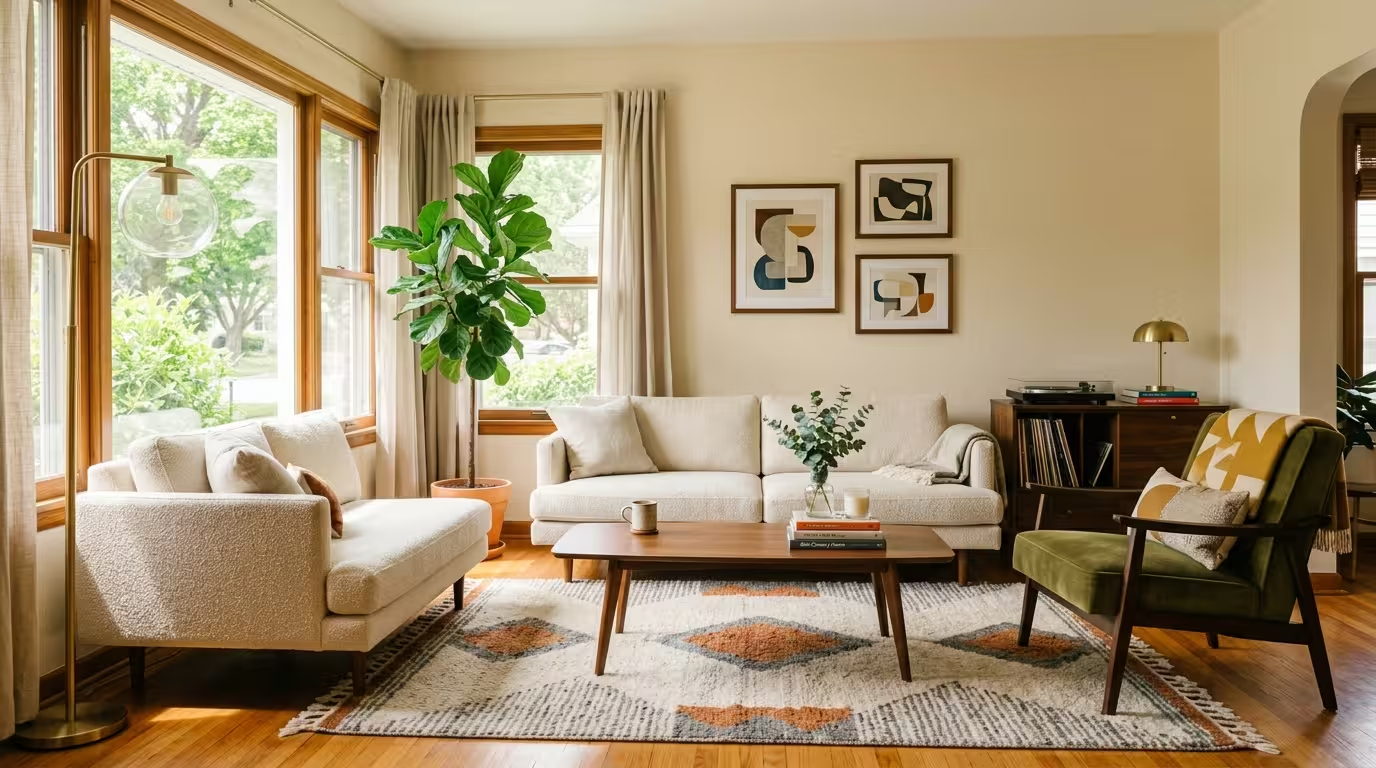
A living room should feel calm, useful, and welcoming. That is why midcentury modern living room ideas still feel relevant today. This style is not only about vintage furniture or a retro color palette. It is about clean lines, warm wood, smart layouts, honest materials, and pieces that serve a real purpose.
The midcentury look grew from the mid-20th century, especially after World War II, when homes became more practical, open, and less formal. The style is known for function, simple shapes, teak and walnut tones, mixed materials, and bold accent colors. When used well, midcentury modern living room ideas can make a space feel timeless instead of old-fashioned.
Why Midcentury Modern Still Works Today
Midcentury design works because it solves common living room problems. It keeps furniture lighter, uses storage wisely, and avoids heavy decoration. Sofas often sit on slim wooden legs, coffee tables have simple forms, and chairs feel sculptural without taking over the room.
The style also blends well with modern life. A vintage credenza can hold books, games, or media equipment. A walnut coffee table can sit beside a newer sofa. A globe lamp can soften a plain corner. In 2026, warmer interiors, earthy palettes, natural materials, and soft shapes are also popular, which fit naturally with this design direction.
What Makes a Midcentury Modern Living Room Feel Authentic?
A strong midcentury-inspired room usually includes three things: function, proportion, and warmth. The room should not look like a museum. It should feel comfortable enough for daily use.
Look for low-profile sofas, tapered legs, wooden case goods, textured rugs, organic shapes, and characterful lighting. Materials can include walnut, teak, oak, leather, linen, wool, glass, brass, stone, and metal. The key is balance. Too many vintage pieces can feel staged, while too many modern pieces can lose the charm.
For compact rooms, see our guide on seating ideas for small living room layouts that save space without losing comfort.
21 Midcentury Modern Living Room Ideas That Feel Fresh
1. Start With a Clean-Lined Sofa
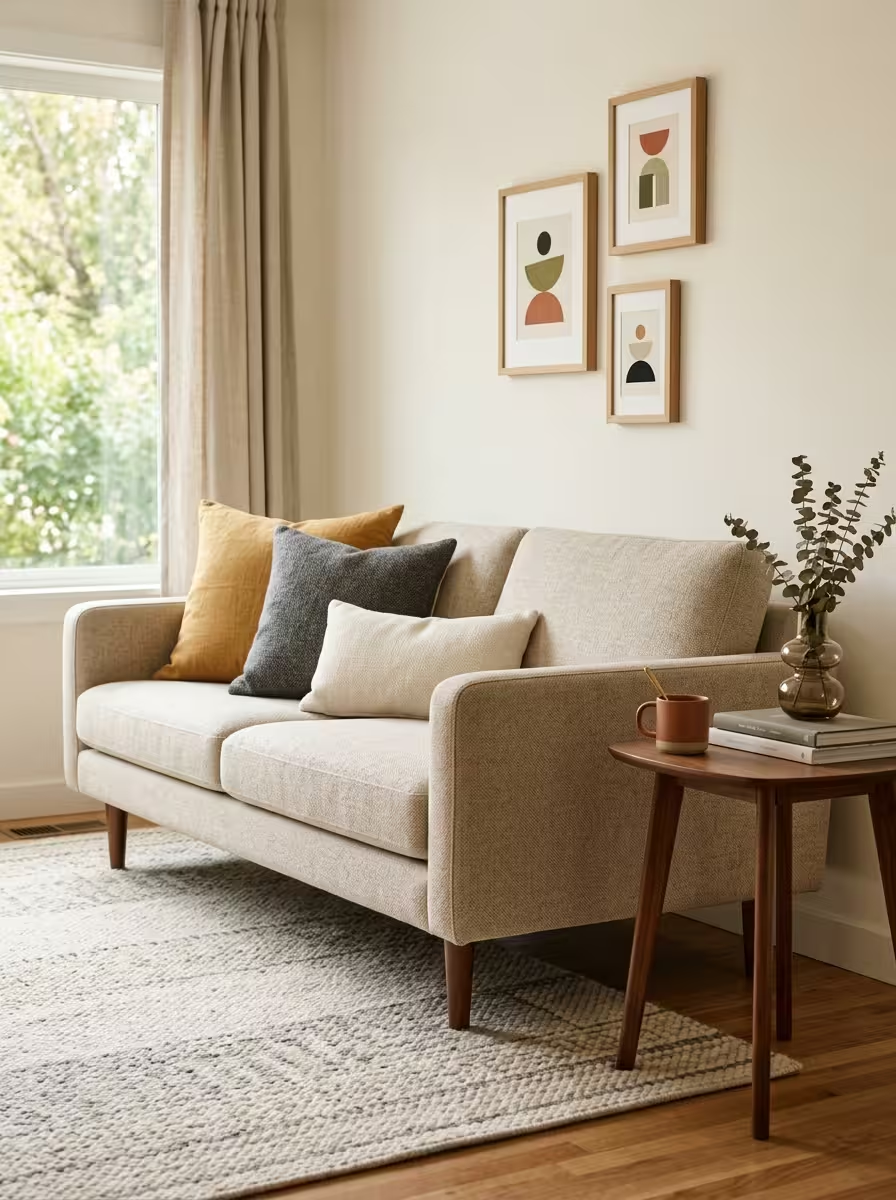
The sofa is usually the largest piece in the room, so it sets the tone. Choose a low or medium-height sofa with slim arms, exposed legs, and simple upholstery. A straight sofa works well in compact rooms, while a curved sofa can soften a larger space.
The best midcentury modern living room ideas begin with a sofa that feels comfortable first and stylish second. Try warm gray, camel, olive, cream, rust, navy, or muted green. Avoid oversized rolled arms or bulky recliners if you want a cleaner period-inspired look.
2. Add a Walnut or Teak Coffee Table
A wood coffee table instantly brings warmth to the room. Walnut and teak are especially common in midcentury-inspired interiors. Choose a table with tapered legs, rounded edges, a kidney shape, or a simple rectangular top.
If the room is small, use a glass-top table with a wood frame. It keeps the visual weight light. If you need storage, choose a table with a shelf or drawer. This keeps remotes, magazines, and small items hidden without adding clutter.
3. Use a Credenza as Stylish Storage
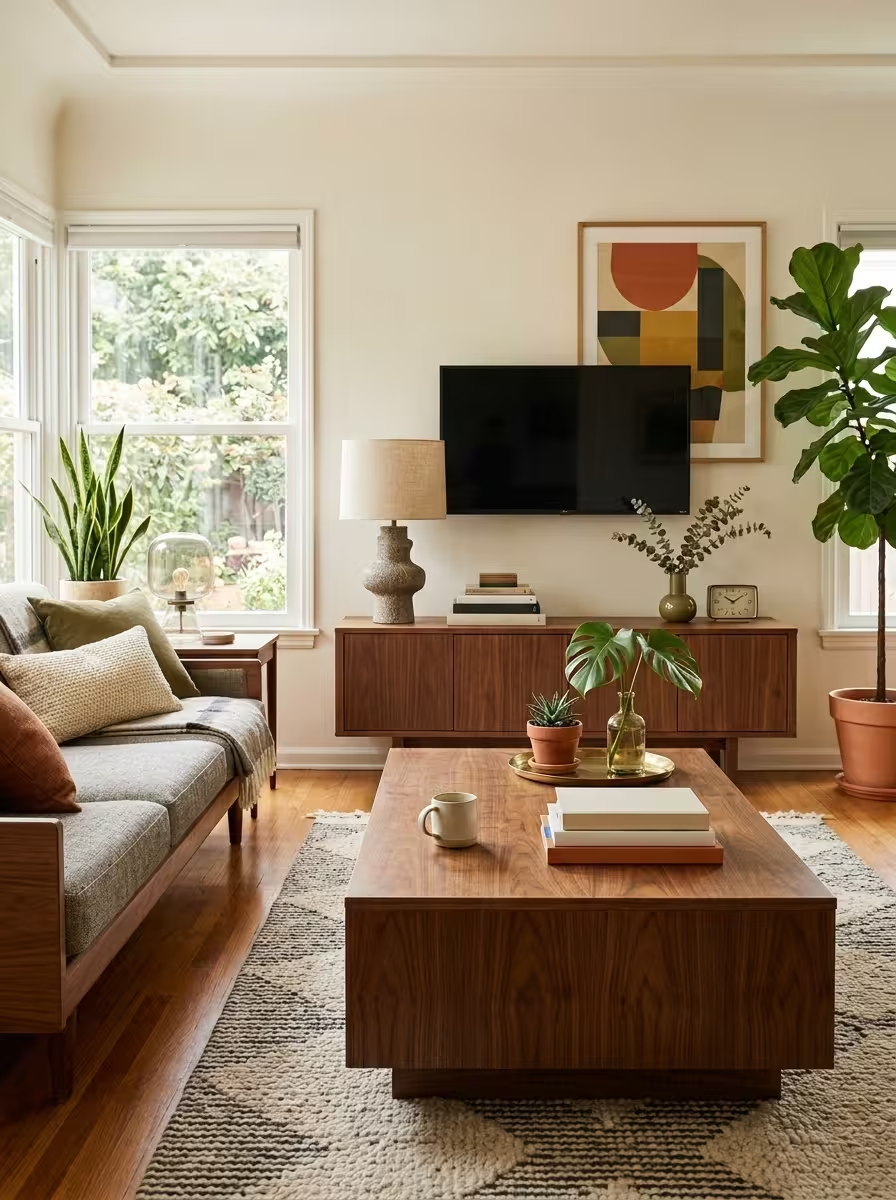
A credenza is one of the most practical pieces for this style. It can work as a TV stand, storage cabinet, entry divider, or display surface. Look for sliding doors, fluted fronts, tapered legs, or flat-panel wood grain.
Among practical midcentury modern living room ideas, this one gives the biggest return because it adds both beauty and function. Place art, a ceramic lamp, or a sculptural vase on top. Keep the surface edited so the wood remains the main feature.
4. Bring in a Statement Lounge Chair
A single lounge chair can make the room feel designed. The Eames Lounge Chair and Ottoman, introduced in 1956, remains one of the most recognized examples of modern furniture design. You do not need that exact chair to get the effect.
Choose a wood-frame armchair, leather sling chair, Danish-style lounge chair, or upholstered accent chair with angled legs. Place it near a lamp, side table, or window to create a reading corner. This adds comfort and gives the room a stronger point of view.
5. Choose Earthy, Warm Colors
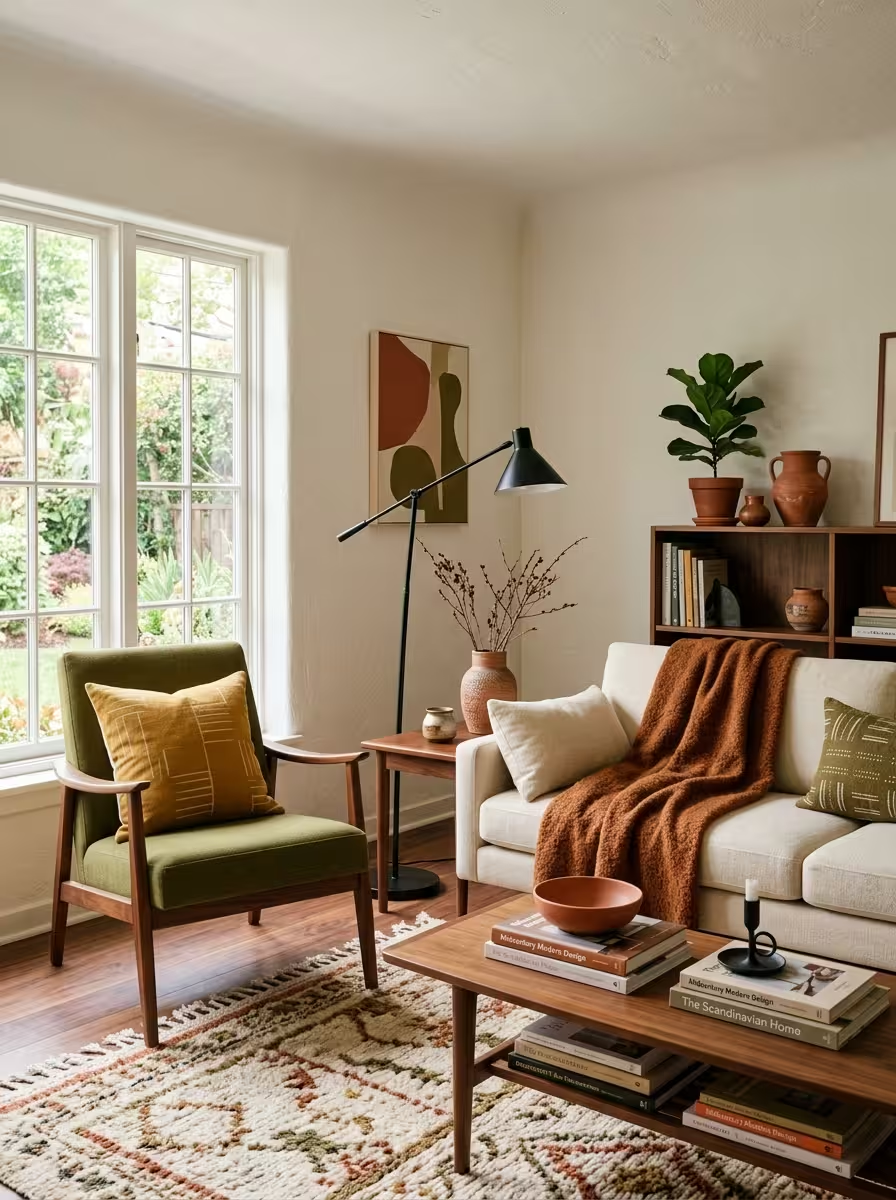
Midcentury rooms do not have to be orange and brown only. A modern palette can include cream, walnut, caramel, olive, rust, mustard, charcoal, terracotta, navy, sage, and soft black.
One of the easiest midcentury modern living room ideas is to start with neutral walls and add color through furniture, pillows, art, or rugs. Better Homes & Gardens notes that brown, gray, beige, cream, blue, yellow, green, orange, and muted pastels all work well in this design family.
6. Keep the Layout Open and Conversational
Midcentury design favors easy movement. Do not push every piece against the wall unless the room is very narrow. Pull the sofa forward, place chairs across from it, and let the coffee table sit within easy reach.
A good layout supports conversation. Try a sofa with two lounge chairs, a sectional with one accent chair, or four chairs around a round coffee table. Leave enough walking space so the room feels relaxed, not packed.
7. Use a Rug to Ground the Space
A rug can connect the whole seating area. For a classic feel, choose geometric patterns, abstract shapes, low-pile wool, flatweave designs, or Moroccan-inspired texture. For a quieter room, use a solid rug in cream, taupe, rust, or charcoal.
For apartment-friendly midcentury modern living room ideas, a large rug is especially helpful. It defines the seating area without adding walls or bulky furniture. Make sure that at least the front legs of the sofa and chairs sit on the rug.
8. Add Globe, Cone, or Arc Lighting
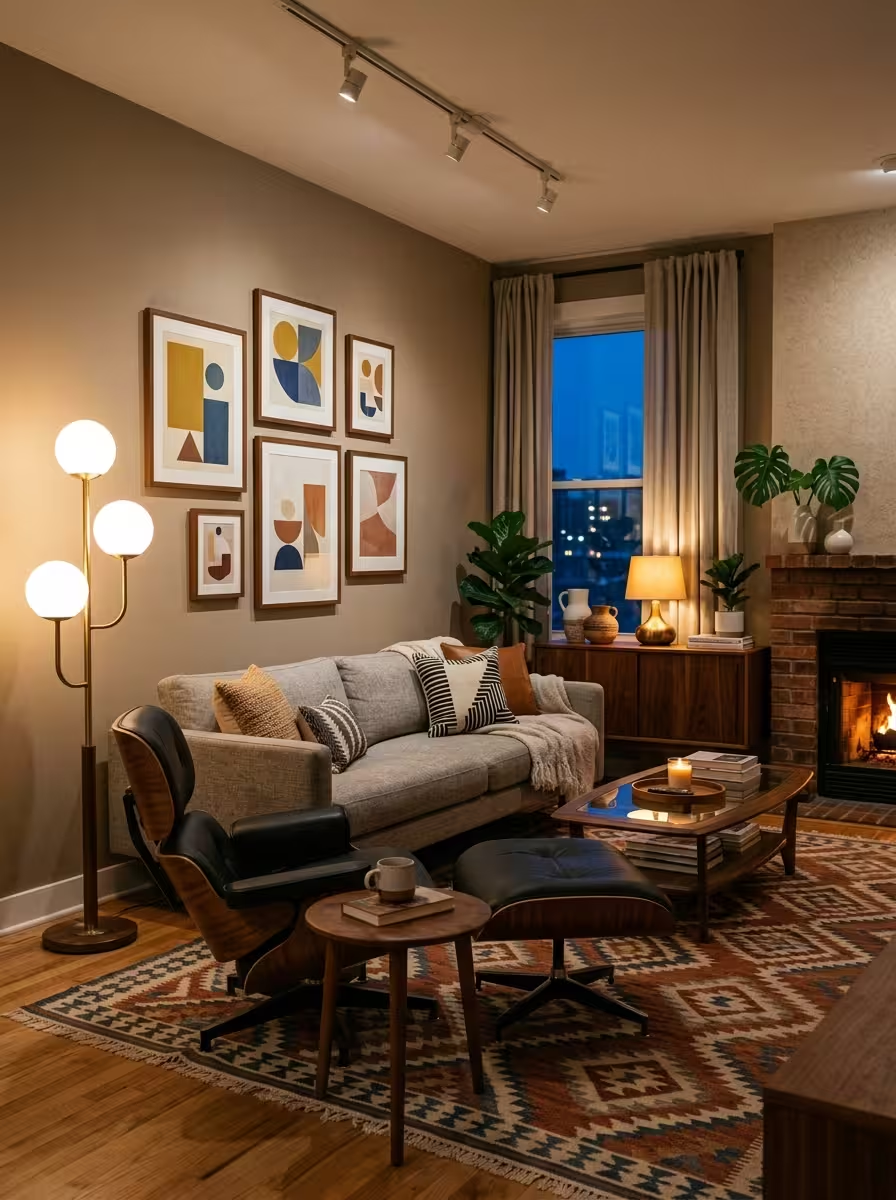
Lighting is one of the fastest ways to create the look. Globe pendants, cone lamps, tripod floor lamps, arc lamps, and sputnik-style fixtures all fit the period-inspired mood.
Use more than one light source. A ceiling fixture alone can feel harsh. Add a floor lamp beside the sofa, a table lamp on a credenza, and a small reading lamp near a chair. Warm bulbs help wood tones and earthy colors feel softer in the evening.
9. Mix Vintage and New Pieces
A room looks more natural when it is not filled with matching furniture. Mix a vintage side table with a new sofa. Pair a modern rug with a retro chair. Use a newer media cabinet that has midcentury lines.
Fresh midcentury modern living room ideas often work because they blend eras. The Spruce also notes that originals and reproductions are available at different price points, which makes the look easier to adapt.
10. Make Built-Ins Feel Warm
Built-ins work beautifully with this style when they feel simple and intentional. Use wood shelves, flat-front cabinets, open cubbies, or a low storage wall. Avoid overly ornate trim.
Built-ins are one of the most useful midcentury modern living room ideas for families because they hide clutter while keeping the room open. Style shelves with books, pottery, framed art, and a few personal objects. Leave breathing room between items so the display feels calm.
11. Design Around a TV Without Losing Style
Modern living rooms need screens, even though original midcentury homes did not. The solution is to make the TV feel integrated. Use a long walnut console, a built-in niche, or a dark accent wall behind the screen.
Keep the surrounding decor simple. Add a lamp, low plants, or framed art nearby, but avoid crowding the screen. If possible, choose a console wider than the TV. This makes the wall feel balanced and intentional.
12. Highlight a Fireplace
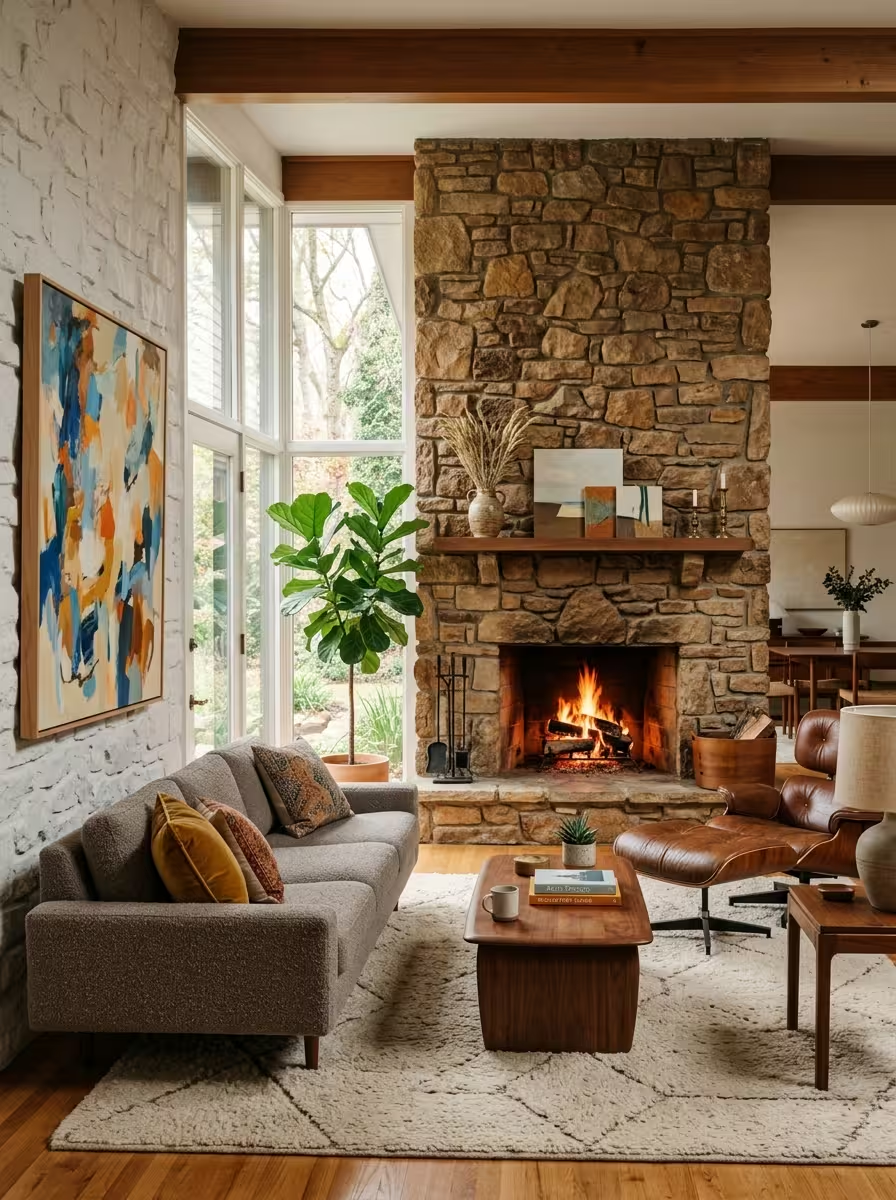
A fireplace gives the room a natural focal point. Stone, brick, tile, concrete, or painted brick can all work. If the fireplace is tall, balance it with low furniture. If it is small, add a wide mantel or artwork above it.
A fireplace gives midcentury modern living room ideas a cozy center. Use simple decor on the mantel: one large art piece, a pair of candlesticks, or a sculptural object. Avoid crowded seasonal displays that clash with the clean lines.
Add warmth to your home with our favorite cozy fireplaces that work beautifully with modern and vintage-inspired decor.
13. Use Wood Paneling Carefully
Wood paneling can look rich and architectural, but too much dark wood can make a room feel heavy. Use it on one wall, around a fireplace, behind a credenza, or as vertical slats.
If the room has original paneling, keep it if it is in good shape. Then balance it with light upholstery, cream walls, or a pale rug. If you are adding new paneling, choose clean vertical lines instead of rustic boards.
14. Bring in Large-Scale Art
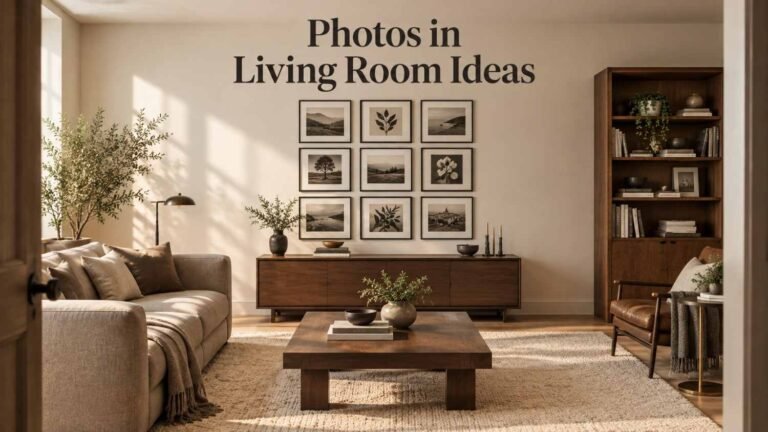
Midcentury rooms often look best with bold art rather than many small wall pieces. Choose abstract prints, color-block paintings, simple line drawings, or graphic photography.
If you want low-cost midcentury modern living room ideas, art is a smart place to start. One oversized print above the sofa can change the room without replacing furniture. Match the art to one or two colors already in the room for a polished look.
15. Add Plants for Organic Shape
Plants soften straight furniture lines and connect the room to nature. Use a fiddle-leaf fig, rubber plant, snake plant, monstera, pothos, or olive tree. Place plants in ceramic, wood, stone, or simple metal planters.
Do not overfill the room. One tall plant in a corner and one smaller plant on a table may be enough. The goal is to add life and shape, not create a crowded indoor garden.
16. Pick the Right Window Treatments
Midcentury rooms often celebrate natural light. If privacy is not an issue, keep windows simple. Use linen curtains, woven shades, Roman shades, or slim drapery panels.
Some midcentury modern living room ideas work best when the windows are allowed to breathe. Avoid heavy swags, thick valances, or shiny fabrics. If the room has beautiful outdoor views, use minimal window treatments that frame the view rather than cover it.
17. Try a Warm Neutral Wall Color
White walls are common, but they are not the only choice. Warm white, mushroom, beige, greige, clay, olive-gray, soft taupe, or pale terracotta can all create a richer background.
If your furniture is dark wood, avoid cold blue-white paint. It can make the room feel sharp. A warmer wall color helps walnut, leather, brass, and woven textures feel more connected.
18. Use Texture Instead of Clutter
A midcentury-inspired room should not feel empty, but it should feel edited. Add texture through a wool rug, linen curtains, a leather chair, a boucle pillow, a ceramic lamp, a woven basket, or a wooden tray.
Texture gives the room depth without adding visual noise. This is especially helpful in neutral spaces. A cream sofa, walnut table, black lamp, and woven rug can feel complete when the materials are strong.
19. Create a Small Conversation Corner
Not every living room needs a full makeover. A corner can carry the style. Use one lounge chair, a slim side table, a floor lamp, and a small piece of art.
This is one of the best midcentury modern living room ideas for renters or small homes. It gives you the look without replacing every major item. Choose pieces that can move with you later.
20. Blend With Other Styles
Midcentury mixes well with Scandinavian, Japandi, boho, rustic, contemporary, and organic modern decor. The trick is to repeat materials or colors so the room feels connected.
For example, pair a midcentury credenza with a linen sofa, a jute rug, and black metal lighting. Or mix a leather lounge chair with a modern sectional and warm wood tables. Do not force every item into one style label.
21. Avoid the Time-Capsule Look
A common mistake is making the room look like a movie set from the 1960s. Too many orange tones, too many atomic patterns, and too many vintage objects can feel forced.
Choose two or three clear midcentury elements, then keep the rest simple. A walnut credenza, a tapered-leg sofa, and a globe lamp may be enough. The room should feel inspired by the era, not trapped in it.
Small-Space Midcentury Modern Living Room Ideas
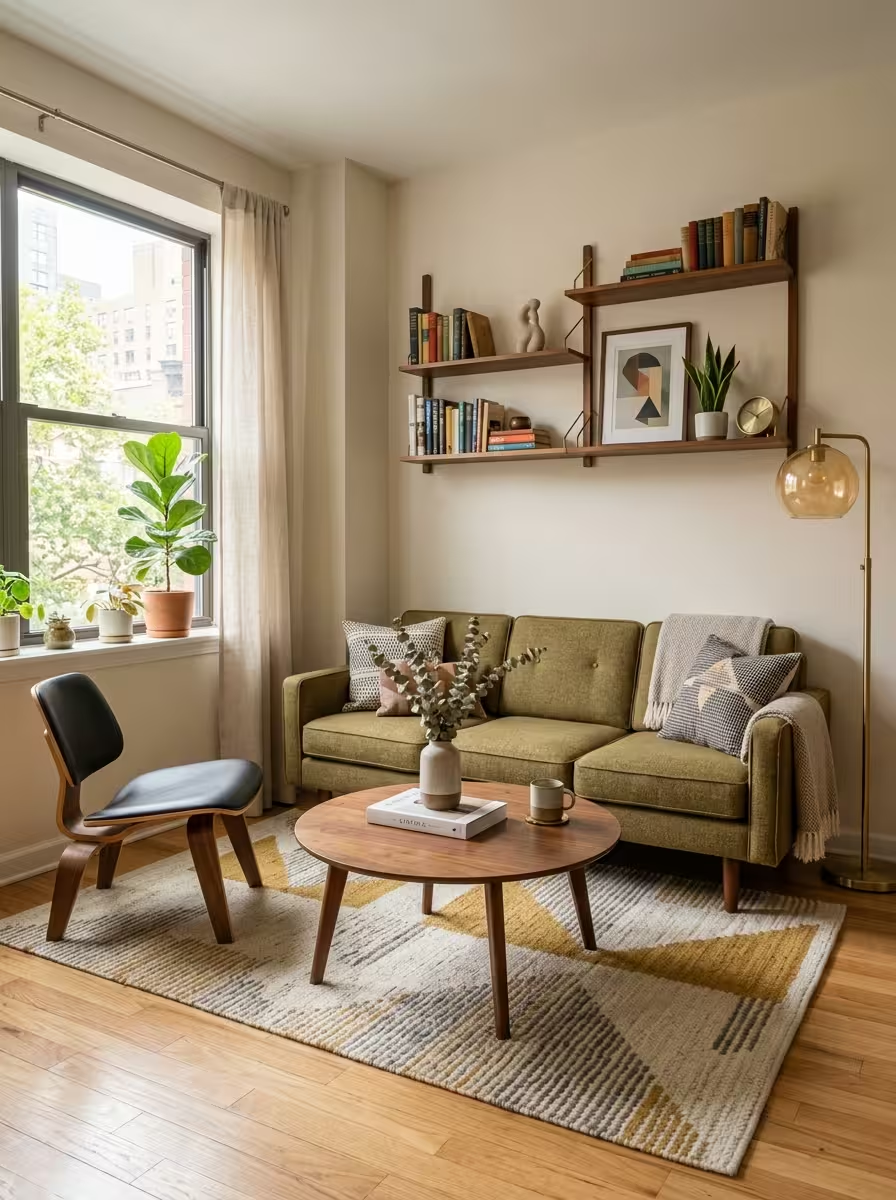
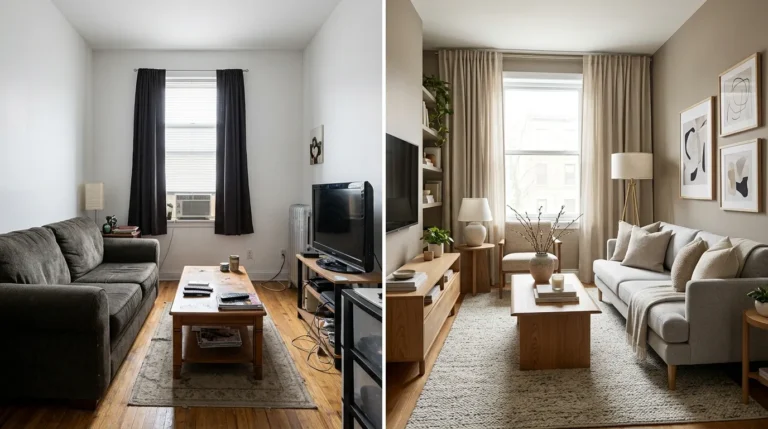
Small rooms need lighter furniture. Choose sofas with raised legs so the floor remains visible. Use a round coffee table to improve movement. Pick armless chairs, slim side tables, and wall-mounted shelves when floor space is limited.
The best midcentury modern living room ideas for small spaces also use vertical lines. Tall curtains, wall art, floor lamps, and slim bookcases draw the eye upward. Keep the color palette tight. A cream sofa, walnut table, olive chair, and black lamp can look complete without feeling busy.
Budget-Friendly Midcentury Modern Living Room Ideas
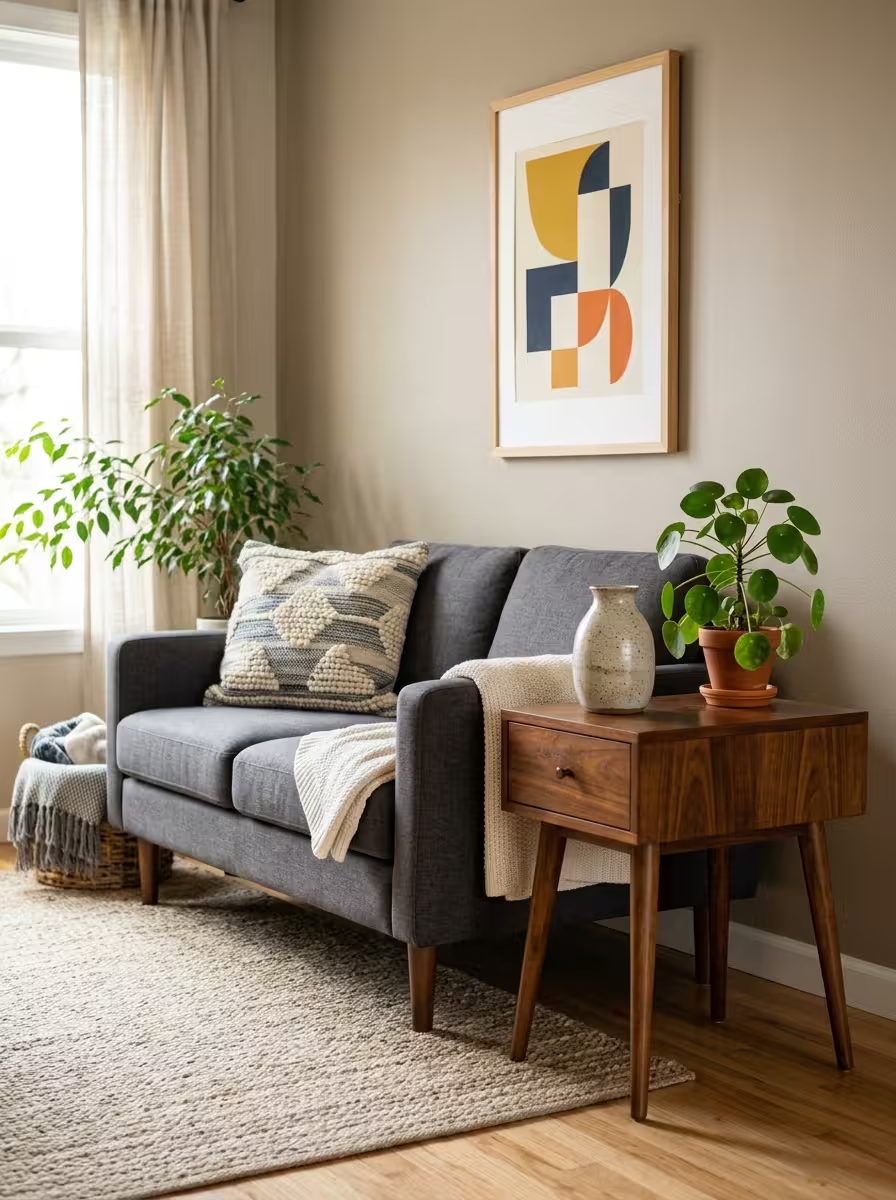
You can create this look without buying expensive designer pieces. Start with the most visible upgrades: lighting, coffee table, rug, art, and pillows. These items can shift the mood quickly.
For affordable midcentury modern living room ideas, shop vintage markets, estate sales, online resale groups, and local furniture stores. Look for real wood, strong joinery, clean shapes, and good proportions. Avoid pieces that only look stylish but feel unstable. A well-made used table is often better than a flimsy new one.
Visit outinteriors for more home styling guides that help you create a warm and practical living space.
Common Mistakes to Avoid
Do not buy every piece from the same collection. Matching sets can make the room feel flat. Do not ignore scale, either. A small chair beside a huge sectional will look weak, while an oversized coffee table can block movement.
Avoid cold lighting, too many tiny accessories, fake vintage signs, and plastic-looking wood finishes. Be careful with bold colors. Mustard, orange, and teal can work beautifully, but they need balance. Use them as accents unless you want a very playful room.
Quick Styling Checklist
Before finishing the room, check the basics. Does the seating face a clear focal point? Is the coffee table easy to reach? Are there at least two light sources? Is there enough closed storage? Do the wood tones feel related? Is there one strong piece of art or lighting?
A good room does not need to be perfect. It needs to feel intentional, comfortable, and easy to live in.
Conclusion
The strongest midcentury modern living room ideas combine beauty with daily function. Start with clean-lined seating, warm wood, smart storage, layered lighting, and a simple color palette. Then add personality through art, plants, rugs, and one or two statement pieces.
This style has lasted because it respects how people actually live. It gives a room structure without making it stiff. It brings warmth without clutter. And when you mix vintage character with modern comfort, the result feels timeless, personal, and ready for everyday life.
Frequently Asked Questions:
What colors work best in a midcentury modern living room?
Warm neutrals, walnut brown, olive green, mustard, rust, terracotta, cream, charcoal, navy, and muted teal all work well. Use bold colors as accents if you want a calm room. Use them on furniture or art if you want a more playful space.
What are the easiest midcentury modern living room ideas for beginners?
Start with a tapered-leg sofa, walnut coffee table, globe lamp, large abstract artwork, and textured rug. These changes create the look without requiring a full renovation.
Can I use midcentury style in a small living room?
Yes. Choose raised-leg furniture, slim side tables, round coffee tables, and wall-mounted storage. Keep the palette simple and avoid oversized furniture. Small rooms often benefit from the lighter profiles common in this style.
Is midcentury modern still popular in 2026?
Yes. The style remains useful because it focuses on clean lines, natural materials, warm wood, and functional furniture. Current interest in earthy colors, soft shapes, and natural textures also pairs well with midcentury design.
What furniture is most important for this look?
The most important pieces are a clean-lined sofa, a wood coffee table, a lounge chair, a credenza, and good lighting. You do not need all of them at once. Start with the pieces that affect the room most.
How do I stop a midcentury room from looking dated?
Mix vintage and modern pieces. Use updated fabrics, simple styling, fresh wall colors, and current lighting. Avoid filling the room with too many retro patterns or period-specific accessories.
Can I combine midcentury modern with farmhouse or boho decor?
Yes, but keep the mix controlled. With boho, use woven textures and plants. With a farmhouse, avoid distressed finishes and choose cleaner wood pieces. Repeat colors and materials so the room feels connected.