Solarium Sunroom Ideas to Brighten Your Home in 2026

Natural light has a way of changing how a house feels. A solarium sunroom does more than add square footage — it adds a mood. Morning coffee under a glass ceiling, houseplants thriving in year-round sun, a reading corner that never needs a lamp during the day: these are the small daily upgrades that make homeowners fall in love with the space long after the construction dust settles.
If you’re weighing whether a solarium sunroom belongs on your home, this guide walks through what it actually is, how much it costs in 2026, and 25 solarium sunroom ideas covering design styles, functional layouts, materials, and decor. Whether you’re planning a full glass-walled addition or upgrading an existing sunroom into a true solarium, you’ll find practical, realistic direction here — not just inspiration photos.
What Is a Solarium Sunroom, Exactly?
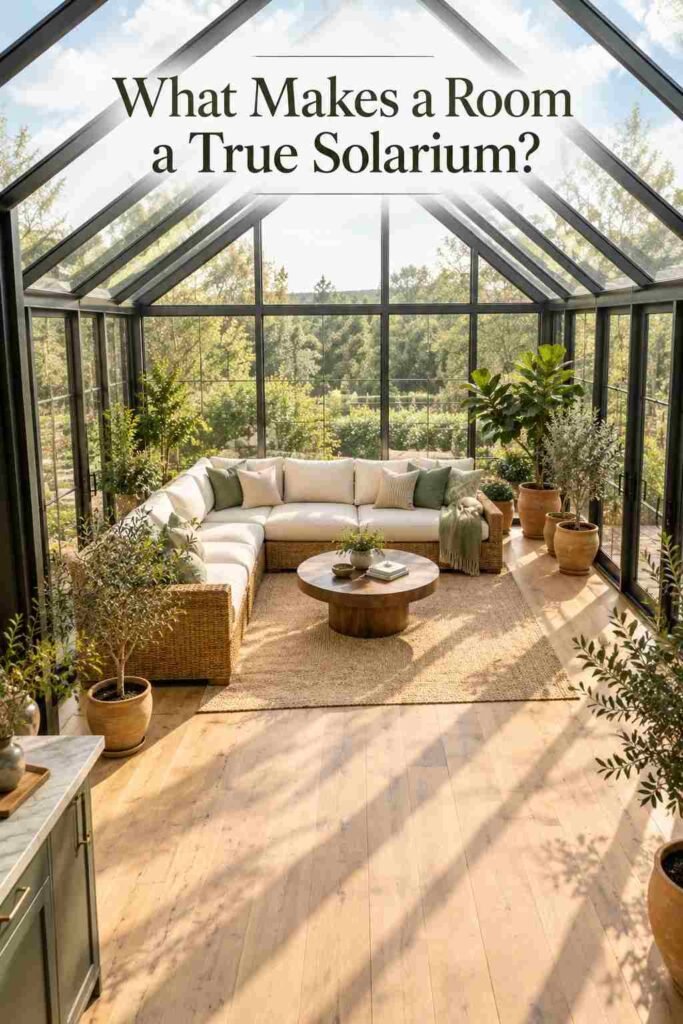
A solarium sunroom is a glass-enclosed room, typically attached to a home, where both the walls and the roof are made primarily of glass or another transparent glazing material. Unlike a standard sunroom, which usually keeps the existing roofline solid and adds glass only on the walls, a solarium sunroom is designed to flood the space with light from every direction — including straight overhead.
The term is often used loosely. Contractors and homeowners sometimes call any glass-heavy addition a “solarium,” a “sunroom,” or a “conservatory” interchangeably. Technically, though, a true solarium sunroom is distinguished by its all-glass roof, while a conservatory tends to lean toward a more traditional, peaked architectural style, and a standard sunroom keeps its roof solid for better insulation.
Solarium vs. Sunroom vs. Conservatory: The Quick Difference
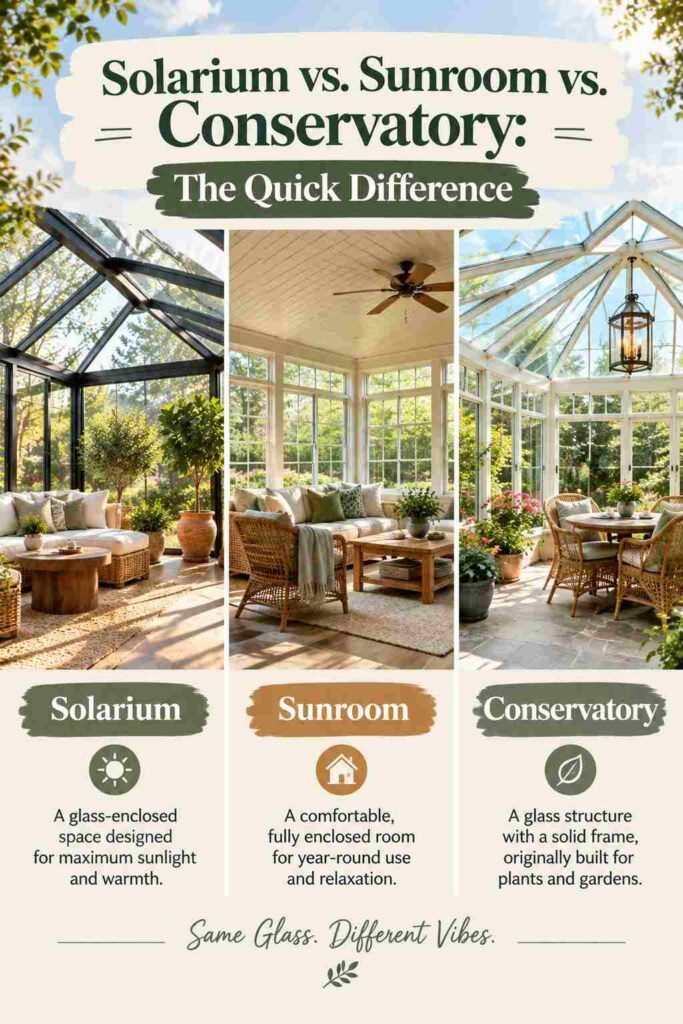
Think of it as a spectrum of glass. A screened porch sits at one end, offering airflow but no true climate control. A three-season sunroom adds glass walls and a solid roof. A four-season sunroom insulates those walls with HVAC for year-round comfort. At the far end sits the solarium, where the roof itself becomes glass, maximizing light but requiring more attention to insulation and shading.
Why Homeowners Are Choosing Solarium Sunrooms in 2026
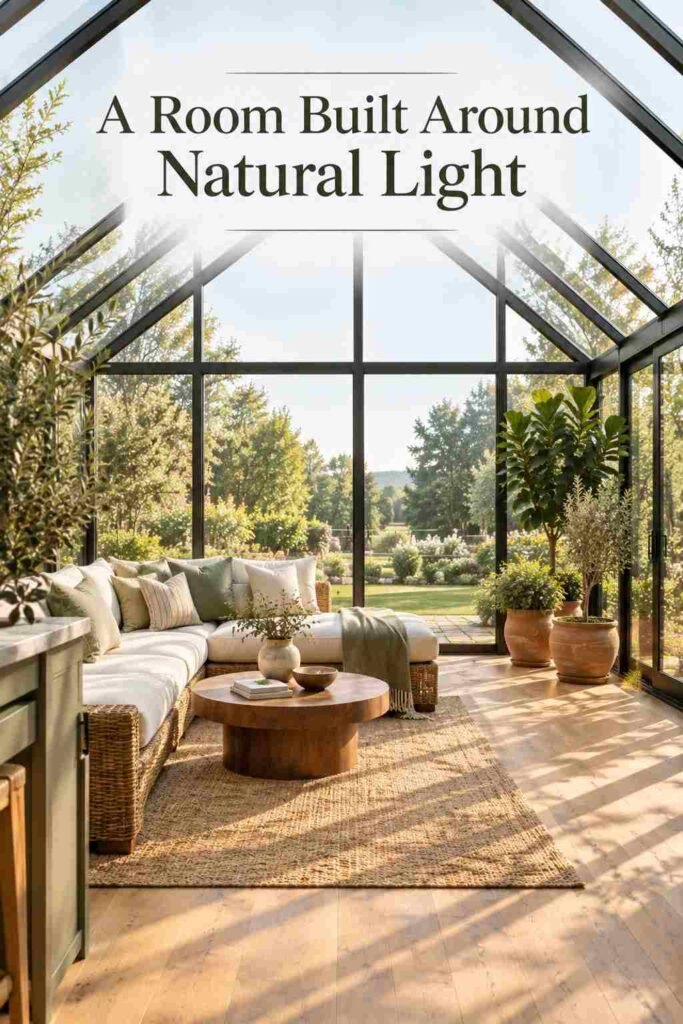
Remote work, plant parenting, and a renewed interest in indoor-outdoor living have pushed solarium sunroom additions back into demand. Builders report growing requests for glass-roofed rooms that double as home offices, greenhouses, or entertaining spaces. Improved glazing technology — including Low-E coatings and gas-filled double panes — has also made solariums more livable in extreme climates than they were a decade ago, narrowing the comfort gap between a solarium and a fully insulated sunroom.
25 Solarium Sunroom Ideas for Every Style and Budget

These ideas are grouped into four categories: architectural styles, functional uses, material upgrades, and interior decor. Mix and match based on your climate, budget, and how you plan to use the room.
Architectural Styles
1. Curved-eave solarium: A rounded glass roofline that softens the transition between wall and ceiling, popular for garden-facing additions.
2. Gable-roof solarium
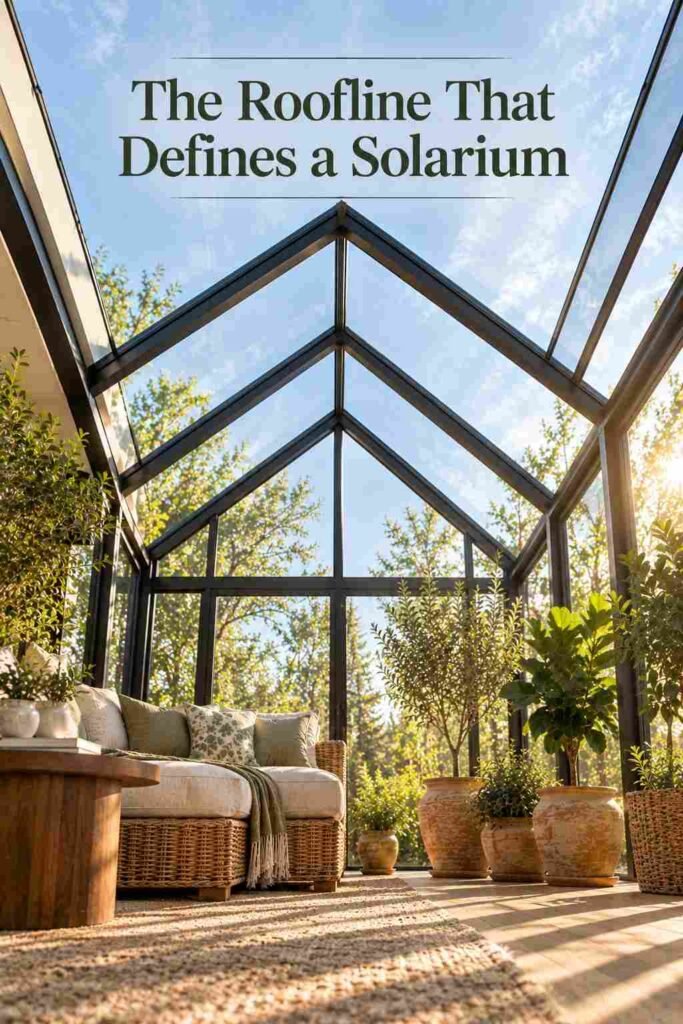
Two angled glass panels meeting at a center beam, giving a classic peaked-roof silhouette that matches many American home styles.
3. Cathedral or vaulted solarium: Tall, dramatic ceilings that make a small footprint feel expansive, ideal for compact backyards.
4. Victorian-style solarium: Ornate framing, arched windows, and decorative trim for homes with historic character.
5. Modern minimalist glass box: Clean black-framed panels with no ornamentation, favored in contemporary builds.
6. Wraparound corner solarium
Glass wrapping around two exterior walls instead of one, maximizing views on corner lots.
Functional & Purpose-Driven Ideas
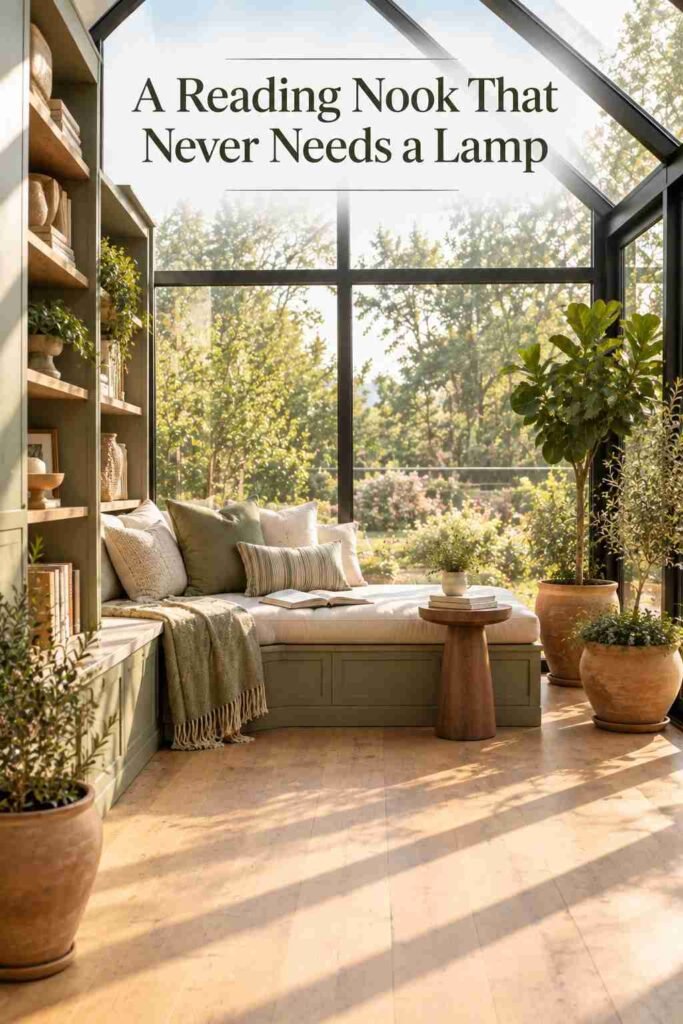
A quiet corner with a daybed and built-in shelving, taking advantage of consistent daylight.
8. Home office extension
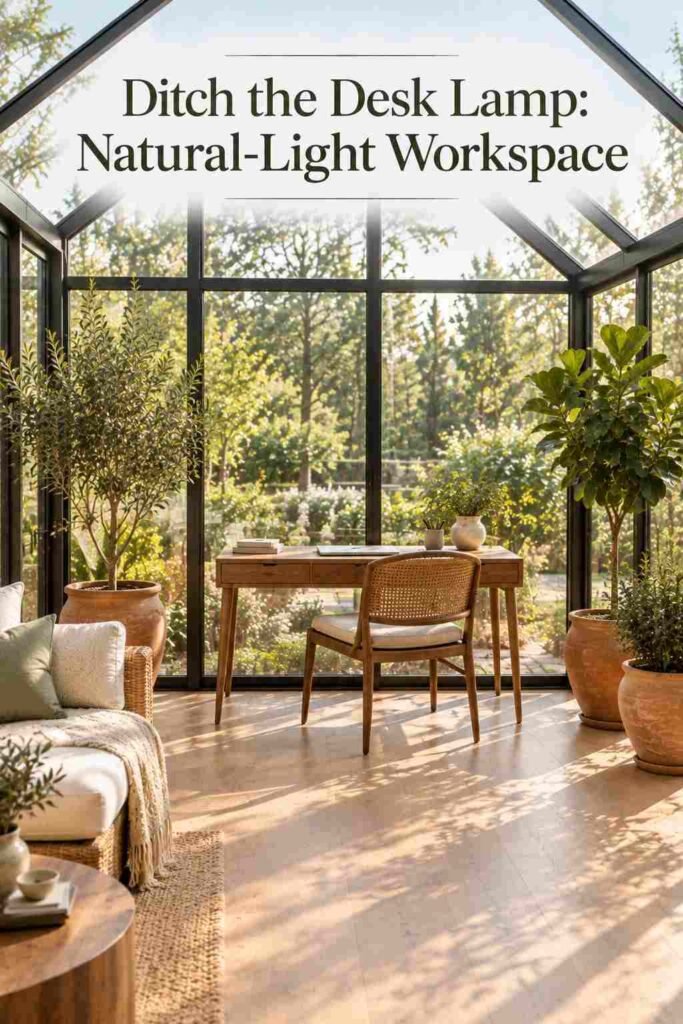
A daylight-filled workspace that reduces reliance on artificial lighting during work hours.
9. Indoor garden or plant room: Using the solarium’s greenhouse-like light for citrus trees, herbs, or tropical plants year-round.
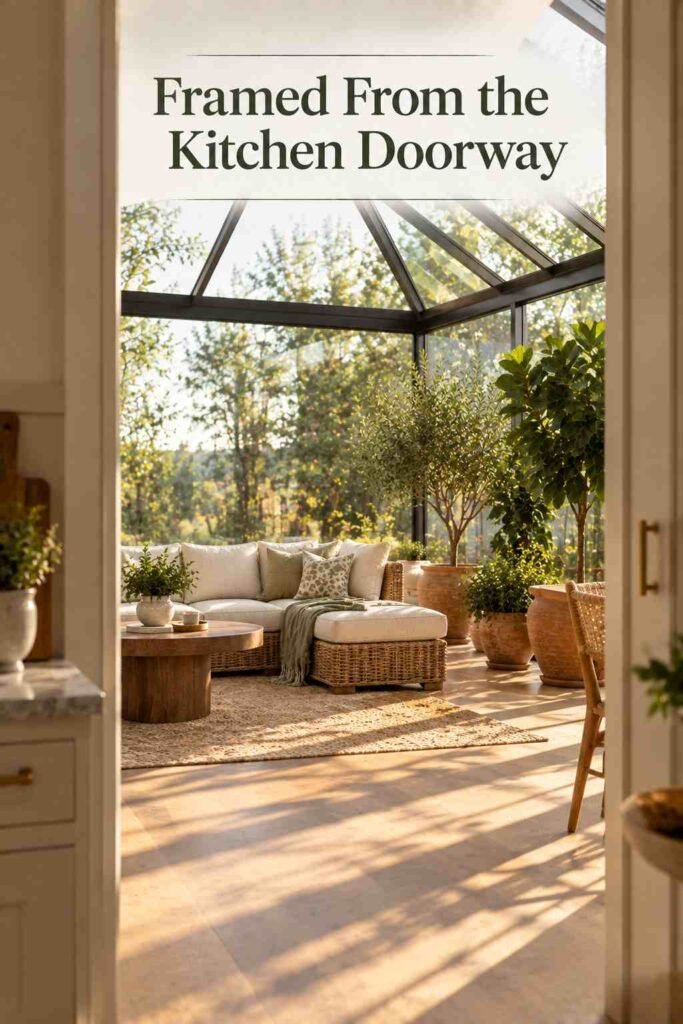
10. Dining room extension
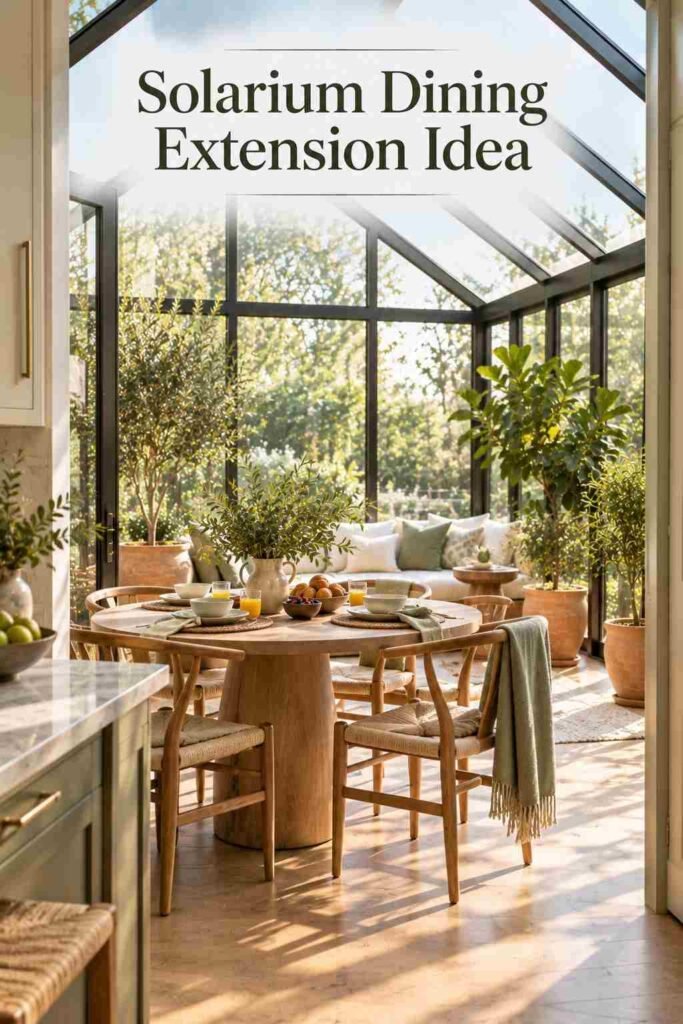
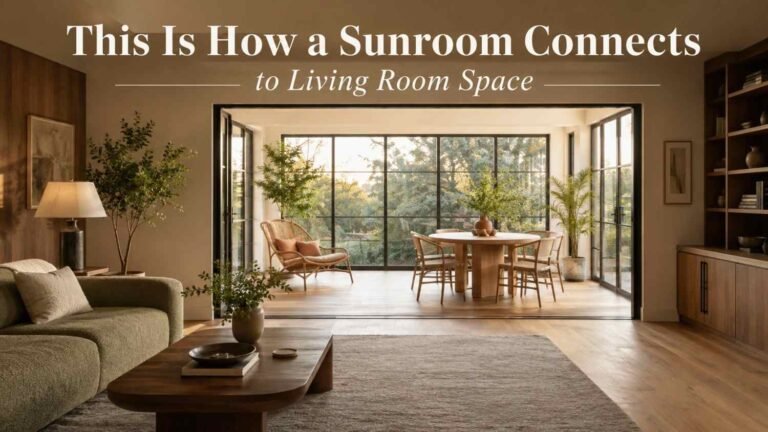
Many homeowners connect their solarium sunroom directly to the kitchen, creating a bright breakfast nook; pairing this with a bold dining room accent wall just inside the connecting doorway helps ground the transition between the two spaces.
11. Yoga or meditation space: Open sightlines and natural light support a calm, low-clutter layout.
12. Home bar or entertaining lounge: A glass-enclosed space works well for evening gatherings, especially with dimmable lighting layered over natural light.
13. Pet-friendly sunroom: Durable, scratch-resistant flooring and a shaded corner give pets their own sunlit retreat.
Material & Glass Upgrades
14. Low-E insulated glass: Reduces heat transfer, keeping the solarium sunroom cooler in summer and warmer in winter.
15. Tempered safety glass
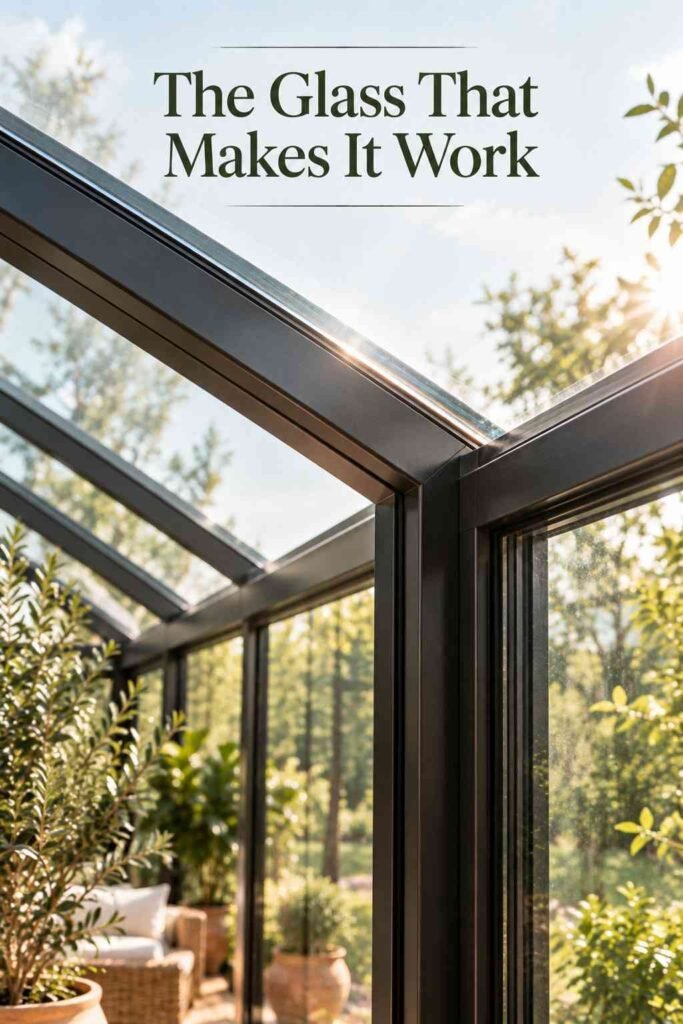
A near-standard requirement for overhead glazing, since it resists shattering under impact or hail.
16. Retractable or opening roof panels: Allow homeowners to convert the solarium into a partially open-air space on mild days.
17. Skylight accents: For homeowners not ready for a full glass roof, strategically placed skylights offer a partial-solarium effect at a lower cost.
18. Frameless glass corners: Minimizing visible framing at the corners creates an uninterrupted view, a popular upgrade in modern builds.
Decor & Interior Styling Ideas
19. Rattan and wicker furniture

Lightweight, weather-resistant, and visually suited to a sunlit space.
20. A statement area rug

Anchors the seating area and softens the hard surfaces common in glass rooms.
21. Ceiling fans with integrated lighting: Help circulate air in a glass-roofed room while adding usable evening light.
22. A living plant wall

Vertical greenery that leans into the solarium’s natural strength as a growing space.
23. Neutral palette with color accents: Whites and warm neutrals let the outdoor scenery become the room’s real focal point.
24. Smart, automated shades: App-controlled blinds that adjust throughout the day to manage glare and heat gain.
25. A compact fire feature

A small electric or bioethanol hearth extends comfortable use of the solarium sunroom into cooler evenings.
For a broader visual library of layouts and finishes, homeowners researching sunroom ideas often compare several design directions before settling on a final plan, since the right style depends heavily on the home’s existing architecture.
Cost Breakdown: How Much Does a Solarium Sunroom Cost in 2026?
|
Room Type |
Estimated Total Cost |
Cost Per Sq. Ft. |
|---|---|---|
|
Three-season sunroom |
$10,000 – $45,000 |
$150 – $350 |
|
Four-season sunroom |
$25,000 – $85,000 |
$300 – $600 |
|
Solarium sunroom (all-glass) |
$30,000 – $100,000+ |
$300 – $800 |
|
Conservatory |
$50,000 – $150,000+ |
$400 – $1,000+ |
A solarium sunroom typically costs more than a standard sunroom because the roof itself is glass rather than solid, requiring stronger structural framing and higher-grade glazing. Pricing also shifts based on foundation type, glass thickness, framing material (aluminum, vinyl, or wood), and whether HVAC is added for year-round use. Homeowners in colder climates often pay more for upgraded glazing to offset heat loss through the roof.
Solarium Sunroom Pros and Cons
Advantages
A solarium sunroom delivers unmatched natural light and panoramic views, since there’s no solid roofline blocking the sky. It suits plant lovers, stargazers, and anyone who wants a room that feels connected to the outdoors. Many homeowners also find it adds distinctive curb appeal compared to a standard boxy addition.
Drawbacks
The tradeoff is upkeep and temperature swings. Glass roofs collect leaves, pollen, and debris that are harder to reach than wall-level windows. Without proper glazing, a solarium sunroom can overheat in summer and lose warmth quickly in winter, making shading and insulation upgrades worth the added cost for most climates.
Permits, HOA Rules, and Local Building Codes to Check First
Before construction begins, check with your local building department, since most solarium sunroom additions require a permit due to their structural footing and electrical work. If you’re in a planned community, review your HOA guidelines, as some restrict visible roofline changes or exterior glass structures. It’s also worth confirming with your contractor whether your solarium will count as finished living space for appraisal purposes, since this affects both insurance and resale documentation.
Choosing the Right Materials for Your Climate Zone
Climate should drive your material choices more than aesthetics alone. In hotter regions, tinted or Low-E glass with reflective coatings helps control heat gain. In colder northern states, vinyl framing and double- or triple-pane glazing reduce heat loss better than aluminum, which conducts cold more readily. Coastal homeowners should prioritize corrosion-resistant framing to withstand salt air, while those in hail-prone areas benefit from impact-rated tempered glass on the roof panels specifically.
Maintenance Tips to Keep Your Solarium Looking Its Best

Plan for quarterly glass cleaning, both inside and out, with more frequent attention to the roof panels where debris collects. Inspect seals and weatherstripping twice a year, since glass-roof seal failure is one of the most common long-term issues in solarium sunrooms. Trim overhanging branches nearby to reduce sap and leaf buildup, and consider a professional cleaning service for hard-to-reach roof glass if your solarium sits above a single story.
Boosting Home Value: Is a Solarium Sunroom Worth It?
On average, sunroom and solarium additions recoup roughly 45% to 55% of their cost at resale, which is lower than a kitchen remodel but still a meaningful return for a space that also improves daily quality of life. Real estate agents note that a well-maintained solarium sunroom photographs well and often stands out in listings, particularly in regions where natural light is a selling point during colder months.
Conclusion
A solarium sunroom is one of the few home additions that changes how a house feels every single day, not just how it looks in photos. From reading nooks to indoor gardens, the 25 solarium sunroom ideas above show just how flexible this space can be, whether your priority is budget, style, or year-round comfort. The right choice comes down to your climate, how you’ll use the room, and how much glass — and maintenance — you’re genuinely ready to commit to. For homeowners exploring layout inspiration further, resources like Outinteriors offer additional design references worth browsing before finalizing a plan.
Frequently Asked Questions
1. What’s the main difference between a solarium and a regular sunroom?
A solarium sunroom has an all-glass roof, while a standard sunroom typically keeps a solid roof and adds glass only on the walls.
2. Do solarium sunrooms need a permit?
In most U.S. municipalities, yes. Because of structural footings, electrical work, and sometimes plumbing, a permit is almost always required.
3. Can a solarium sunroom be used year-round?
Yes, if it’s built with insulated glazing and HVAC. Without those upgrades, most solariums function best as three-season spaces.
4. How much does a solarium sunroom typically cost?
Most homeowners spend between $30,000 and $100,000, though larger or highly custom projects can exceed that range.
5. Are solarium sunrooms hard to maintain?
They require more upkeep than standard sunrooms because of the overhead glass, but regular quarterly cleaning keeps most issues manageable.
6. Does a solarium sunroom increase home value?
It can, typically recouping 45% to 55% of its cost at resale, alongside the everyday lifestyle benefit of added natural light.
7. What glass is best for a solarium roof?
Tempered, Low-E-coated, double- or triple-pane glass is generally recommended for durability, safety, and better temperature control.