Green Paint Small Rooms: Transform Your Space with Color Magic
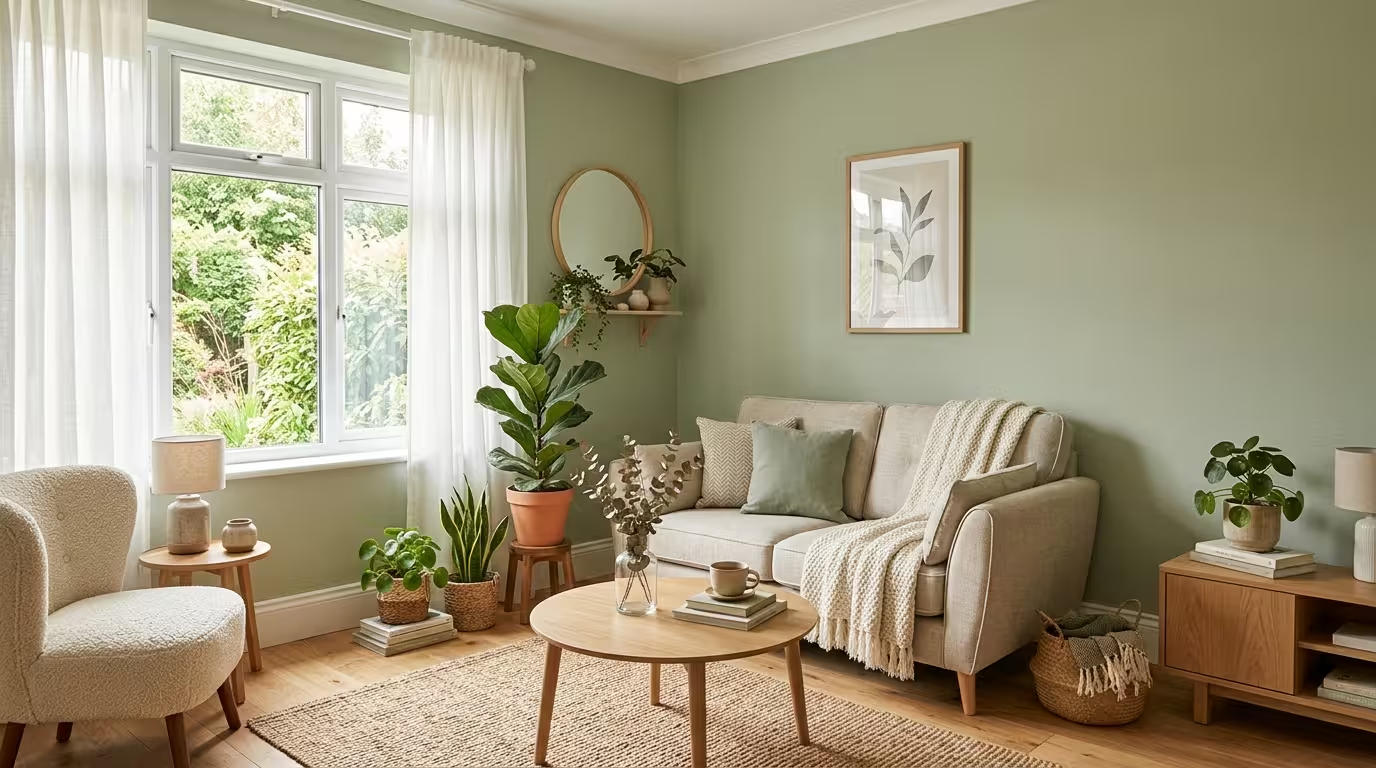
Choosing the right paint color for small rooms can be a daunting task. Colors can drastically alter the perception of space, lighting, and mood. Among the myriad options, green paint small rooms has become a go-to choice for homeowners and interior designers looking to create a calming yet vibrant atmosphere. From soft sage to rich emerald, green is versatile enough to make even the coziest spaces feel airy, stylish, and welcoming.
In this article, we will explore the best shades of green for small rooms, the psychology behind green interiors, complementary design tips, and expert-approved strategies to maximize the sense of space. Whether you are planning to refresh your living room, bedroom, or even a small office, this guide is designed to help you make informed decisions that elevate your home’s aesthetic and functionality.
Why Green Paint Works for Small Rooms
Green is universally associated with nature, relaxation, and balance. This makes it an ideal choice for small rooms, which often risk feeling cramped or cluttered. Unlike dark blues or reds that can visually shrink a space, green has a unique property: it expands perception while maintaining warmth.
- Visual expansion: Softer greens, such as mint or sage, reflect light and create an illusion of spaciousness.
- Mood enhancement: Green reduces stress and promotes calmness, making small bedrooms or reading nooks more inviting.
- Versatility: Green pairs beautifully with a variety of accents—natural wood, brass, white trims, and soft pastels—allowing homeowners to experiment without overwhelming the room.
Top Shades of Green for Small Rooms
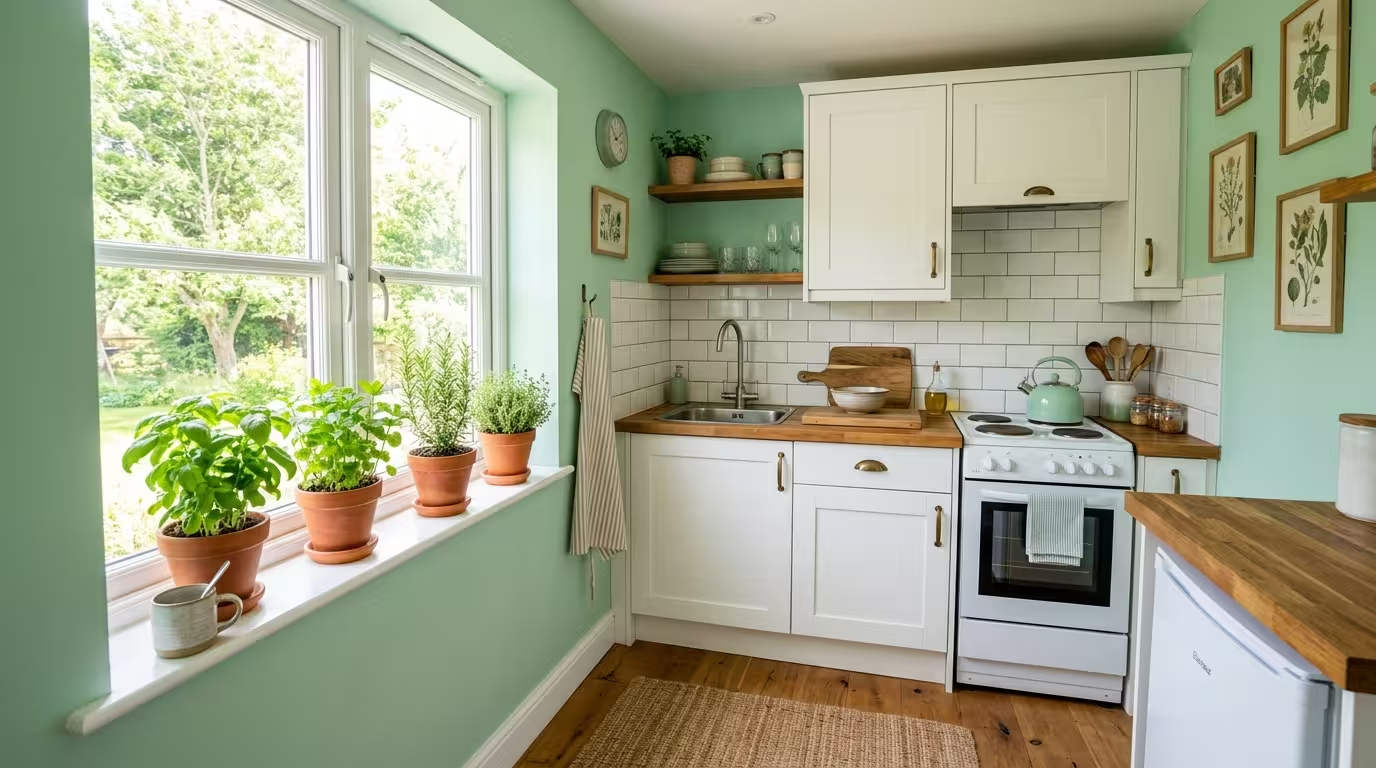
Choosing the right shade is critical. The wrong green can make a room feel dark or chaotic. Here’s a breakdown of popular options:
1. Sage Green
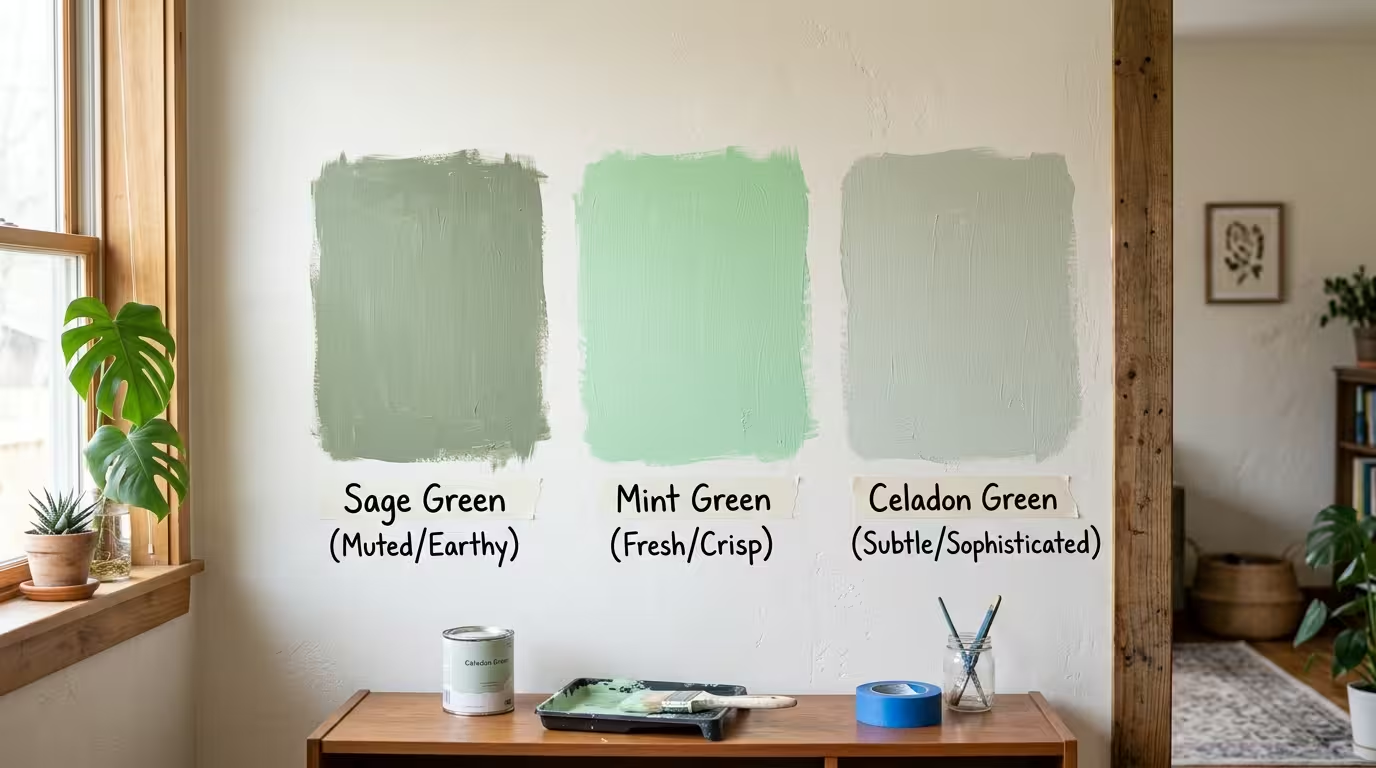
A muted, grayish-green, sage green is perfect for small rooms. It reflects light well and pairs seamlessly with neutral décor. Use it in bedrooms or home offices to create a serene, uncluttered ambiance.
2. Mint Green
Bright yet soft, mint green introduces freshness and energy. Ideal for kitchens or small bathrooms, it enhances natural light and gives the illusion of more space.
3. Olive Green
Olive tones add depth and sophistication. Though slightly darker, when paired with light furniture or white trim, it can make a small room feel cozy without being oppressive.
4. Emerald Green
Bold but elegant, emerald green can be used as an accent wall to introduce luxury into a small room. Combining it with gold or brass hardware emphasizes elegance and dimension.
5. Pale Celadon
A soft, pastel green, celadon brings a gentle, airy touch. Excellent for nurseries or reading nooks, it enhances both natural and artificial light, creating a visually expansive effect.
How to Apply Green in Small Rooms for Maximum Impact
Simply painting the walls isn’t enough. Placement, accent colors, and textures can make or break the room’s visual appeal.
Use Light Tones for Walls
Light greens maximize brightness and make small spaces feel airy. Avoid deep, dark shades on all walls unless you’re aiming for a cozy, cocoon-like effect.
Accent Walls Are Key
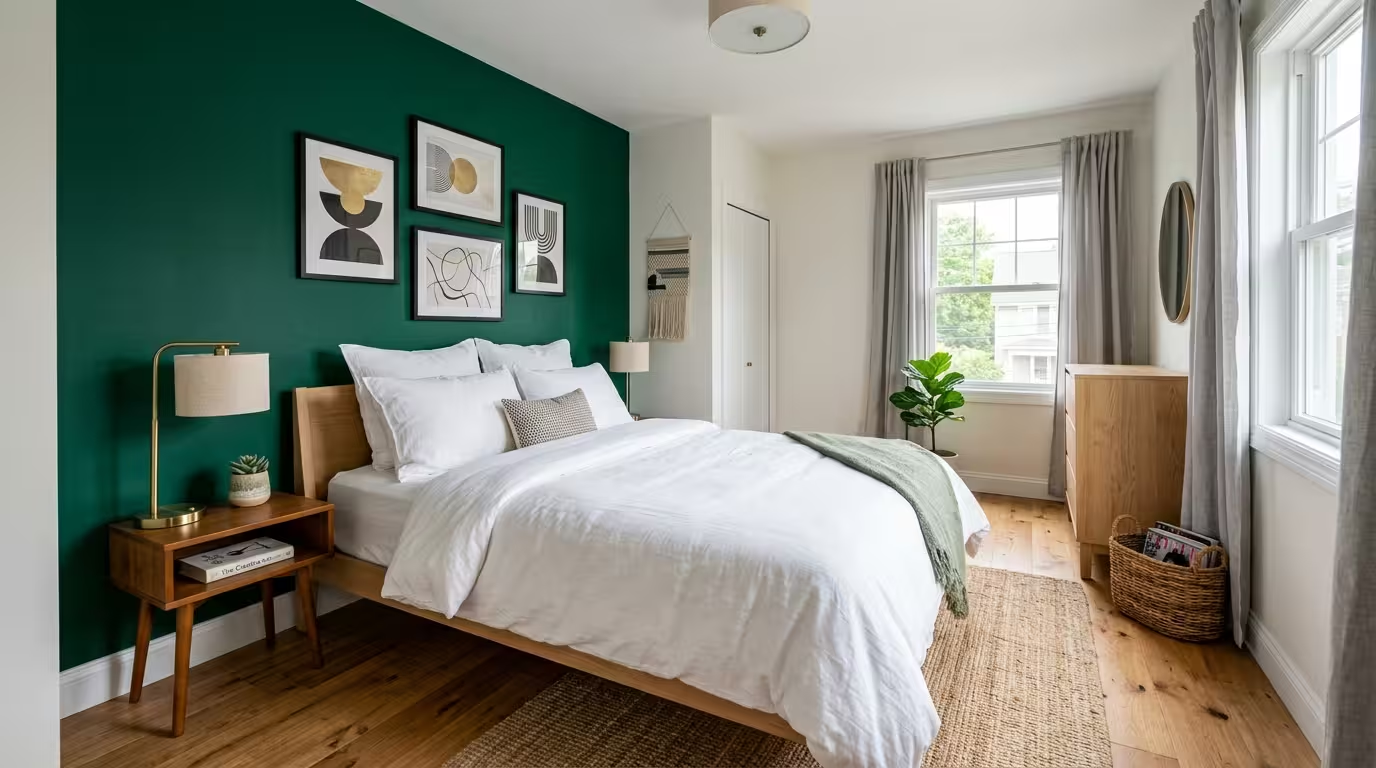
If you love a darker green like emerald or olive, consider painting just one accent wall. This adds drama and personality without overwhelming the room.
Ceiling and Trim Considerations
A ceiling painted a slightly lighter green than the walls gives the illusion of height, while white or cream trims provide crisp definition and openness.
Pairing with Furniture and Decor
- Neutral Furniture: Beige, cream, or gray sofas and chairs complement green walls without clashing.
- Wood Accents: Light oak or bamboo enhances green’s natural feel.
- Metallic Touches: Gold or brass lamps and picture frames add elegance and reflect light, enhancing perceived space.
The Psychological Benefits of Green in Small Rooms
Color psychology plays a crucial role in interior design. For small rooms, green provides both emotional and visual benefits:
- Calming Effect: Green is known to lower heart rate and reduce stress.
- Productivity Boost: Studies suggest green in workspaces can improve concentration.
- Creativity Enhancement: Artists and designers often favor green rooms for brainstorming and creative thinking.
- Balance and Harmony: Its natural association creates a sense of order, essential in compact spaces that might otherwise feel chaotic.
Common Mistakes When Using Green in Small Rooms
Even a perfect color can be misused. Avoid these pitfalls:
- Over-saturation: Too bright or neon green can overwhelm a room.
- Neglecting Light Sources: Rooms with limited natural light require lighter, muted greens.
- Ignoring Other Colors: Green must harmonize with furniture, flooring, and decor. Clashing colors shrink the perceived space.
- Skipping Test Swatches: Paint looks different under varying lighting conditions. Always test samples on multiple walls before committing.
Green Paint Finish Recommendations
The right finish can dramatically affect how small rooms feel:
- Matte Finish: Smooth and subtle, matte finishes work well for cozy, quiet spaces.
- Eggshell Finish: Offers slight reflectivity without too much gloss, perfect for living rooms and bedrooms.
- Satin Finish: Adds shine for small kitchens or bathrooms, reflecting light to enhance brightness.
- Avoid High-Gloss: Unless used strategically for trim or accent areas, high-gloss can create unwanted reflections and highlight imperfections.
Pairing Green with Other Colors
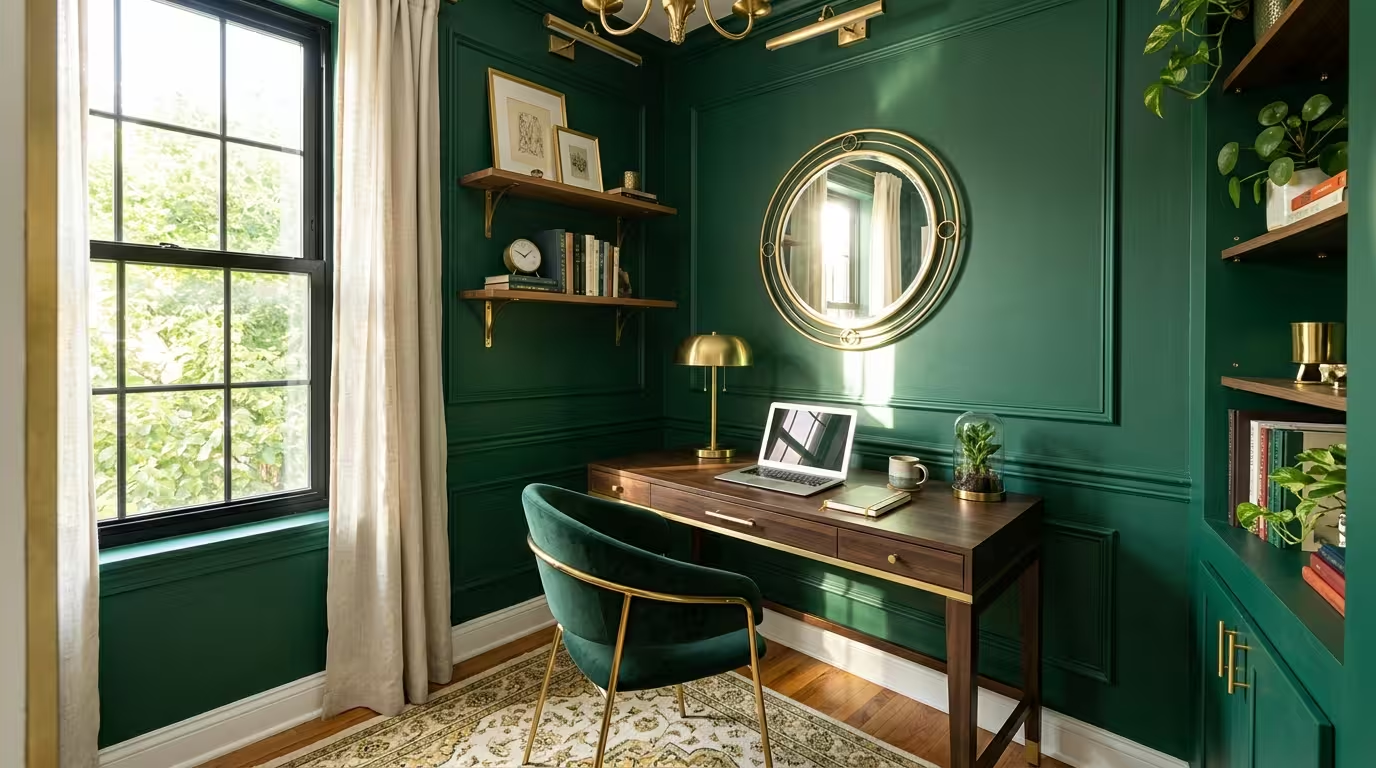
Green is versatile, but pairing it correctly is essential for style:
- Neutrals: White, beige, and soft grays are timeless combinations.
- Pastels: Pink, peach, or lavender soften green’s vibrancy for a soothing palette.
- Contrasts: Navy blue or burnt orange can create bold focal points in small rooms.
- Metallic Accents: Gold, brass, and copper add elegance and visual depth.
Green Paint and Room Function
Consider the purpose of the room before selecting green:
- Bedrooms: Sage or pale celadon promotes relaxation.
- Living Rooms: Emerald or olive can add sophistication and depth.
- Home Offices: Soft mint or sage encourages focus and calm.
- Kitchens/Bathrooms: Vibrant greens paired with whites create a fresh, clean look.
- Maximize your outdoor small spaces using these [best small patio design ideas] that pair beautifully with indoor color schemes.
Decorating Tips to Complement Green Walls
- Mirrors: Strategically place mirrors to reflect light and expand perception.
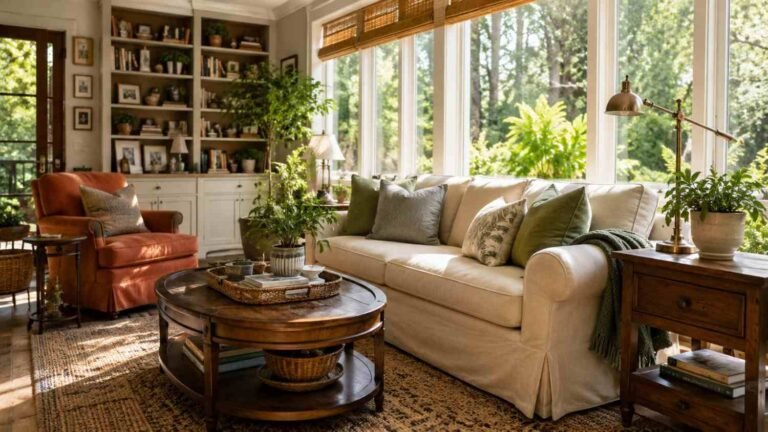
- Textiles: Green cushions, curtains, or rugs can reinforce the color scheme.
- Plants: Indoor plants amplify green tones while introducing texture and life.
- Artwork: Choose neutral frames or metallics to prevent visual clutter.
- Lighting: Layered lighting—overhead, task, and accent lights—ensures even illumination, crucial for small rooms.
Expert Tips for Choosing Green Paint in Small Rooms
- Always test multiple shades under the room’s natural light.
- Consider the direction your windows face: North-facing rooms may need warmer greens to counteract cooler natural light.
- Use green in moderation in rooms with multiple colors; consider accent walls or accessories instead.
- Coordinate with flooring: Light green walls pair well with medium wood floors, while dark green walls benefit from lighter flooring to prevent visual heaviness.
- Enhance your outdoor space with our [backyard hardscaping ideas], perfectly complementing indoor greens.
DIY vs. Professional Painting
While DIY can save money, small rooms benefit from professional application for:
- Even coverage: Avoid streaks and uneven tone.
- Trim and corners: Precise edges enhance the room’s perceived space.
- Color consultation: Professionals can help choose the perfect shade to complement lighting, furniture, and room function.
Green Paint Maintenance Tips
Maintaining green-painted small rooms is essential:
- Cleaning: Use mild detergents; dark greens show dust less than light shades.
- Touch-Ups: Keep leftover paint for future repairs.
- Repainting Frequency: Every 5–7 years for high-traffic areas, or sooner for kitchens/bathrooms due to moisture.
- For more inspiration, check our guide on [living room paint color ideas] to create a cohesive color palette.
Conclusion:
Green paint is more than just a color—it’s a tool to transform small rooms into serene, spacious, and stylish havens. From sage to emerald, selecting the right shade, pairing it wisely, and applying thoughtful décor strategies can make a significant difference in how your space feels and functions. By considering lighting, furniture, and room purpose, green can elevate even the tiniest rooms into vibrant, inviting spaces that balance comfort and sophistication.
Frequently Asked Questions:
1. What is the best green shade for a very small room?
Soft, muted shades like sage or pale celadon work best, reflecting light and enhancing space perception.
2. Can I use dark green in a small room?
Yes, but limit it to an accent wall or small sections to avoid making the room feel cramped.
3. How do I pair furniture with green walls?
Neutral or natural tones work best, like beige, gray, or light wood. Metallic accents add sophistication.
4. Does green paint affect the room’s mood?
Yes, green promotes calmness, balance, and relaxation, making it ideal for bedrooms and home offices.
5. Should ceilings also be green?
If the ceiling is slightly lighter than the walls, it creates a height perception. Otherwise, keep ceilings neutral.
6. How do I choose the right green for a north-facing room?
Warmer greens like sage or olive counteract cooler natural light in north-facing spaces.
7. How often should small rooms with green paint be repainted?
Every 5–7 years, living areas, kitchens, or bathrooms may require more frequent touch-ups due to humidity.