25 Home Remodeling Aesthetic Ideas, from Japandi Calm to Moody Modern Drama

Scrolling through endless remodel photos can leave you more confused than inspired. One image shows glossy white cabinets. The next shows moody green walls and brass lights. Without a clear style, it is easy to mix materials that fight each other and end up with rooms that feel unfinished. That is why settling on one home remodeling aesthetic first matters so much. In this guide, you will discover 25 home remodeling aesthetic ideas, grouped by mood: warm and natural, bold and characterful, and timeless. Each idea names real materials such as quartzite, zellige tile, and pale oak, plus paint color pointers from brands like Benjamin Moore and Sherwin-Williams. You will also see how kitchens, bathrooms, lighting, and outdoor spaces can support the style you choose. Read on, save your favorites, and turn scattered inspiration into a plan that fits your home, your habits, and your budget.
Warm and Natural Home Remodeling Aesthetic Styles

Natural textures and soft tones continue to lead American renovations. These five looks suit homeowners who want calm, livable rooms that age gracefully.
1. Japandi

Japandi blends Japanese restraint with Scandinavian warmth. Think low-profile furniture, pale oak, paper lanterns, and muted clay tones. The goal is quiet simplicity, not emptiness. Choose hand-finished ceramics and linen textiles to add depth. This style works well in bedrooms and living rooms where you want a slow, peaceful mood. Keep clutter hidden in closed storage so the clean lines can breathe.
2. Organic Modern
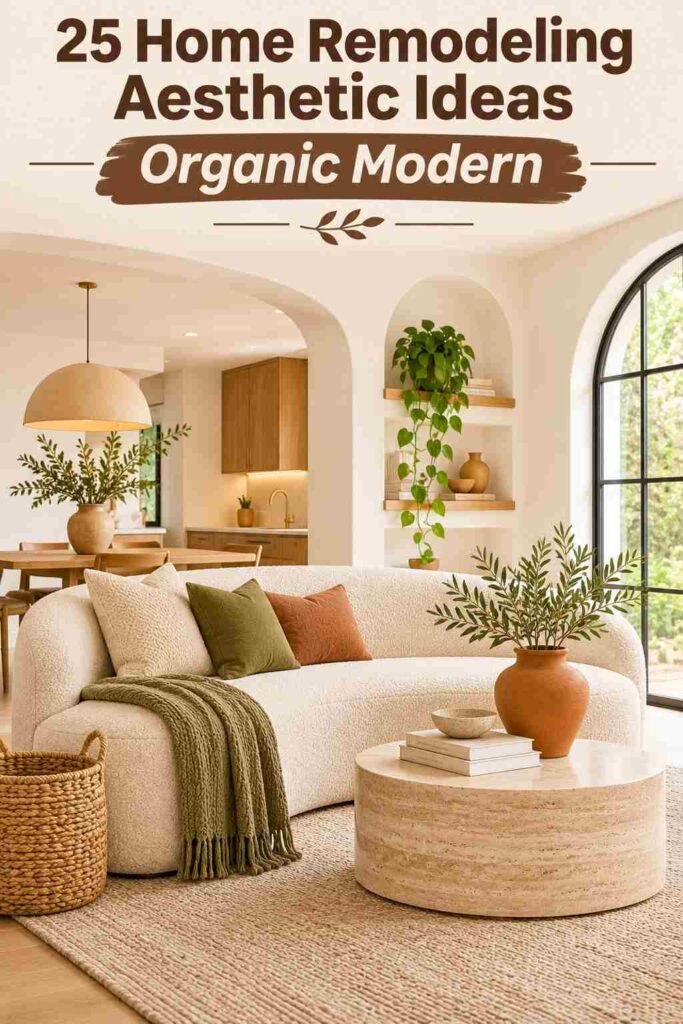
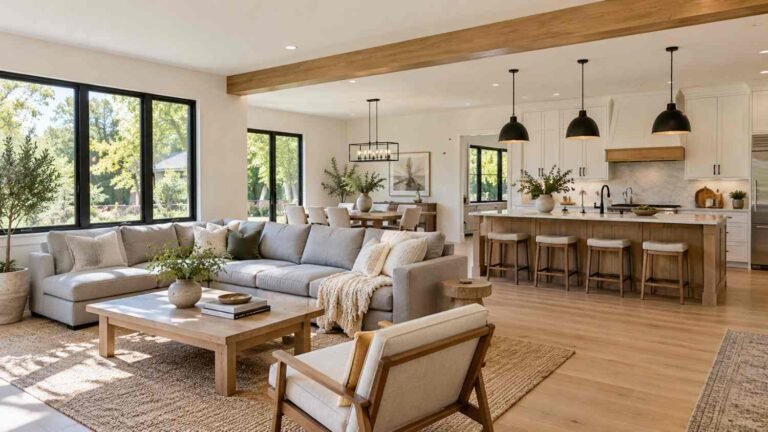
Organic modern pairs clean architecture with raw, earthy materials. Expect curved furniture, wood grain, woven baskets, and stone surfaces. Walls often wear warm white or soft greige. The result feels polished but never cold. It is a smart choice for open-plan homes because the natural textures connect kitchen, dining, and living zones without needing strict visual dividers or heavy decoration.
3. Warm Minimalism

Warm minimalism keeps the simplicity of minimalist design but softens it. Replace stark white with creamy beige, caramel wood, and touches of bronze. Use fewer objects, but choose ones with character, such as a sculptural lamp or a handmade bowl. This approach suits smaller homes, since the restrained palette makes rooms look larger and calmer while still feeling inviting and lived in.
4. Modern Farmhouse
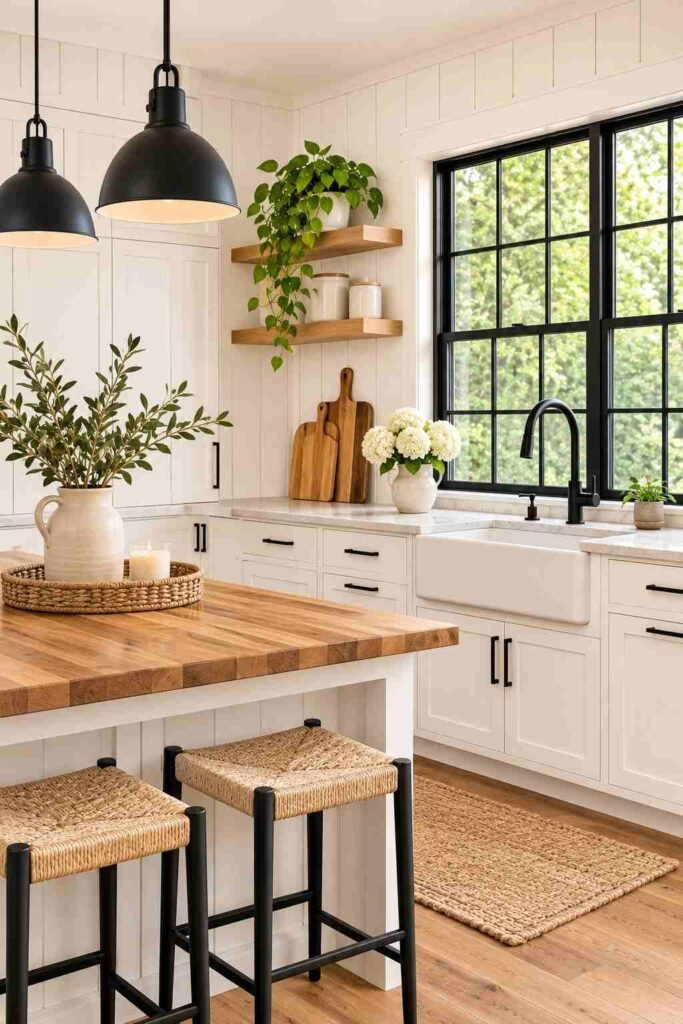
Modern farmhouse mixes rustic charm with crisp, current details. Typical features include Shaker cabinets, shiplap or board-and-batten walls, black window frames, and apron-front sinks. White and soft gray keep it bright. Add reclaimed wood beams or a butcher-block island for warmth. Families love this look because the materials are forgiving, easy to clean, and comfortable in busy kitchens and mudrooms.
5. Scandinavian
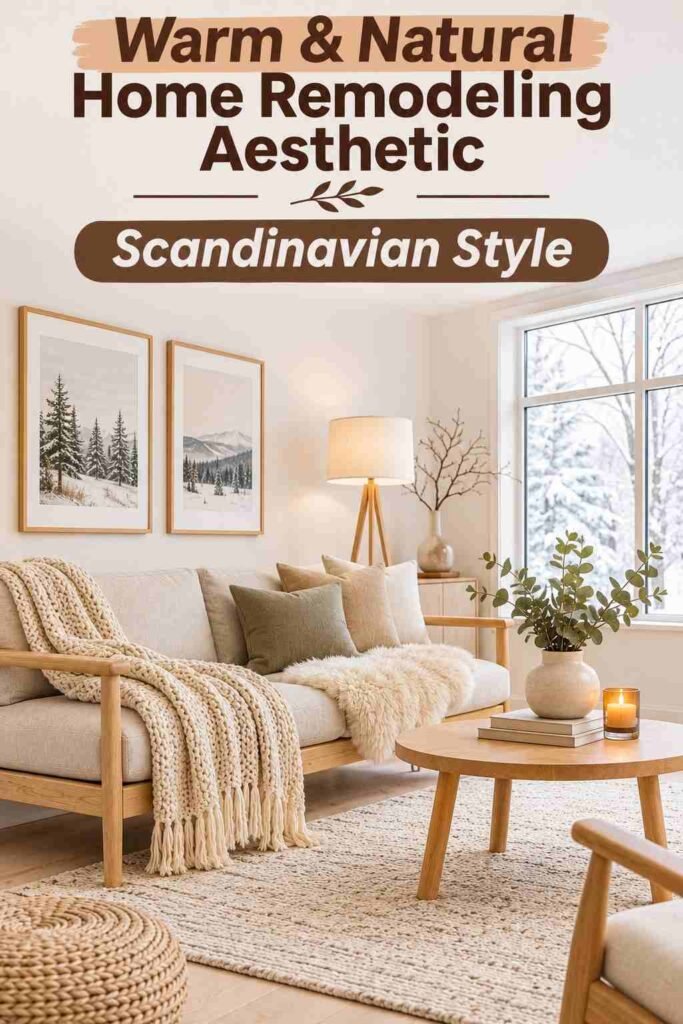
Scandinavian design focuses on light, function, and coziness, often called hygge. Pale floors, white walls, and simple wood furniture reflect daylight in shorter winter months. Layer wool throws and sheepskin for comfort. Storage is built in and practical. This style is ideal for homes in cooler states, where bright interiors lift the mood during long, gray seasons.
Bold and Characterful Home Remodeling Aesthetic Choices
If you prefer personality over restraint, these five styles bring drama and depth to your space.
6. Mid-Century Modern
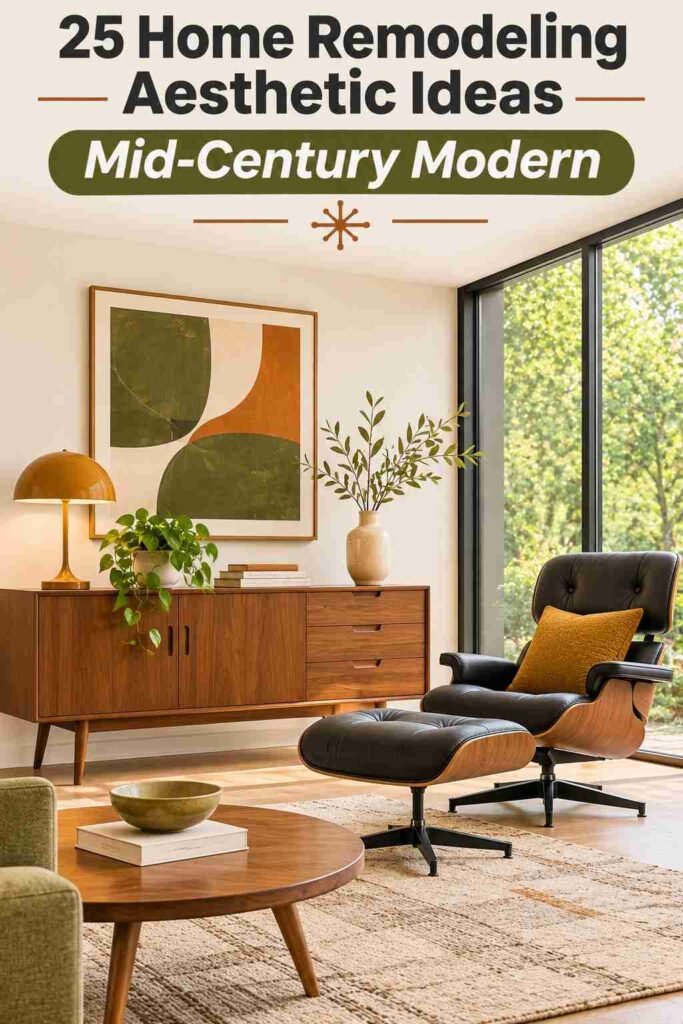
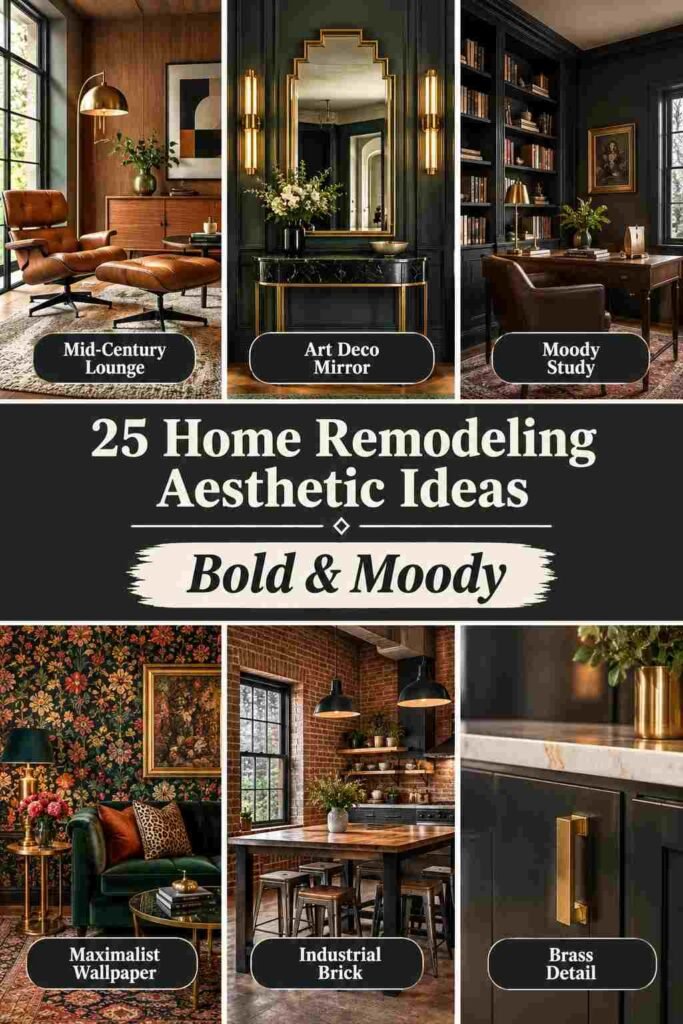
Mid-century modern draws from the 1950s and 1960s. Look for tapered legs, walnut or teak finishes, geometric patterns, and large windows. Iconic pieces such as the Eames lounge chair anchor a room. Pair them with mustard, olive, or burnt orange accents. The style fits ranch homes especially well, since their low rooflines and open plans already echo the era’s design values.
7. Art Deco Accents

Art Deco brings glamour through symmetry, brass, and bold geometry. You do not need to redesign an entire house. A fluted vanity, a sunburst mirror, or a velvet banquette in jewel tones can set the mood. Keep surrounding surfaces simple so the details stand out. Powder rooms and dining rooms are perfect testing grounds for this confident, theatrical look.
8. Moody Dark Palette
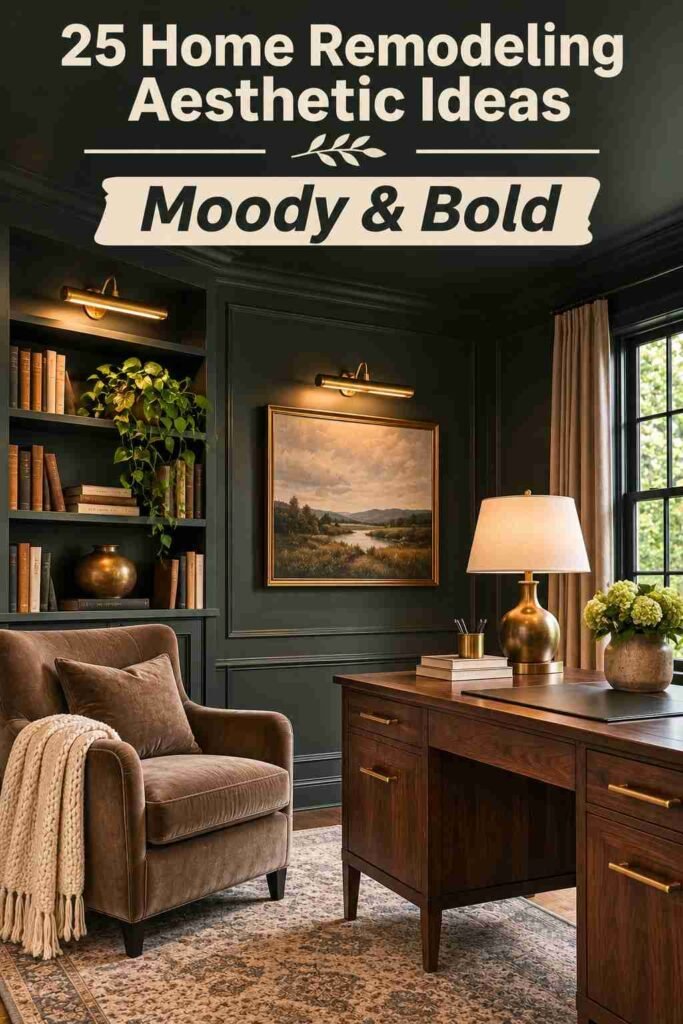
Deep greens, charcoal, navy, and aubergine create cocoon-like rooms full of intimacy. Brands such as Benjamin Moore and Sherwin-Williams offer rich, well-tested shades for this purpose. Dark walls work best with layered lighting and warm metals like brass. Studies, libraries, and dining rooms suit this approach. In small spaces, paint the ceiling too, so the room feels wrapped rather than boxed in.
9. Maximalist Color
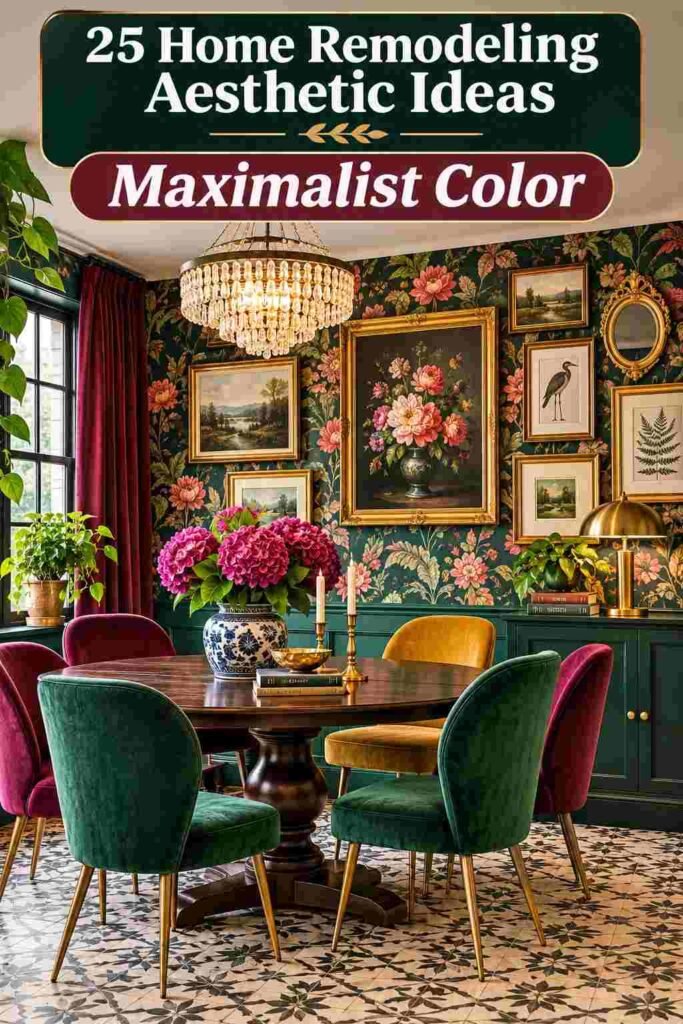
Maximalism celebrates pattern, color, and collected objects. Think wallpaper in botanical prints, mixed tile, and gallery walls. The trick is a unifying thread, such as a repeated color or metal finish. Without it, rooms can feel chaotic. This aesthetic rewards homeowners who love travel souvenirs, art, and vintage finds, and it makes small rooms like laundry areas feel surprisingly joyful.
10. Industrial Loft
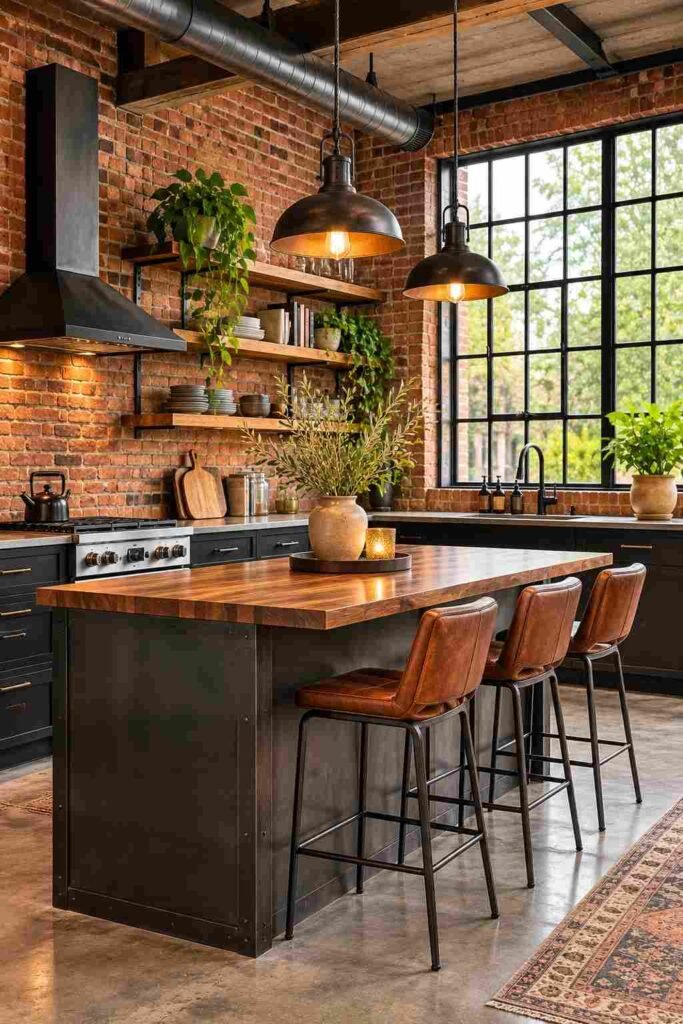
Industrial style borrows from old factories. Exposed brick, concrete floors, steel-framed windows, and visible ductwork define it. Soften the hard edges with leather seating, wool rugs, and warm bulbs. It works in urban condos and converted lofts, but you can also use its spirit in a kitchen with metal shelving, matte fixtures, and a poured-concrete counter.
Timeless Home Remodeling Aesthetic Styles That Never Date
These classic directions protect your investment, because their proportions and materials stay appealing across decades.
11. Coastal

Coastal design is about breezy light, not seashell clutter. Use soft blues, sandy neutrals, whitewashed wood, and natural fibers like jute and rattan. Large windows and airy curtains pull in the view. It suits beach houses, yet it also refreshes inland homes needing a relaxed, sunny mood. Choose durable, moisture-resistant finishes if the home sits near salt air.
12. Updated Traditional

Traditional style values symmetry, crown molding, and rich wood tones. Today’s version trims the fuss. Keep paneled walls and classic proportions, but simplify the hardware and choose a lighter palette. Pair antique pieces with clean-lined sofas. This balance keeps formal homes, such as Colonials and Georgians, elegant and welcoming rather than heavy or museum-like.
13. French Country
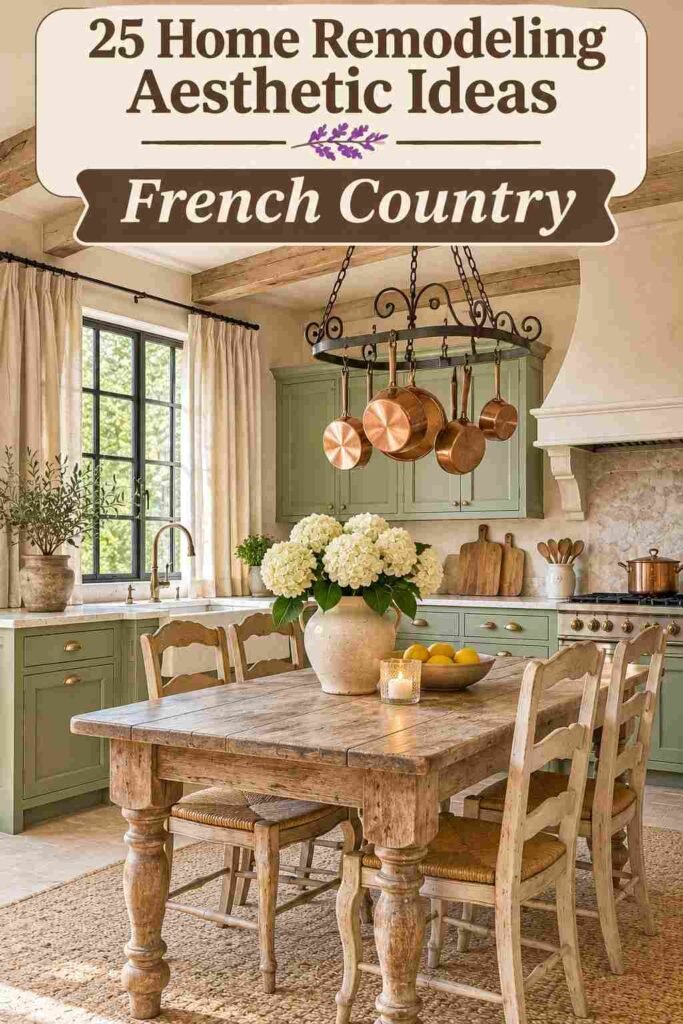
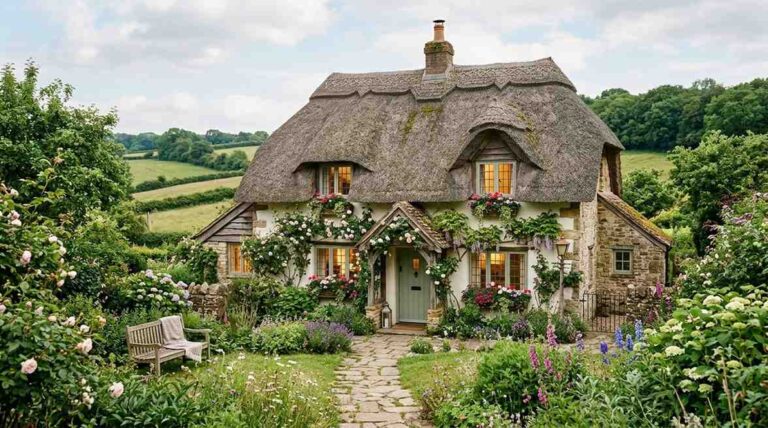
French country brings Provence-inspired charm indoors. Expect distressed wood, linen drapes, wrought iron, and soft shades of cream, lavender, and sage. A farmhouse table anchors the kitchen. Copper pots and fresh herbs add function and beauty. The style is gentle and storybook-like, which makes it a lovely fit for cottages and homes with generous eat-in kitchens.
14. Transitional
Transitional design sits between traditional and contemporary. Neutral colors, simple lines, and mixed textures keep it flexible. A Shaker kitchen with sleek quartz counters is a classic example. Because it avoids strong trends, this approach is popular with owners planning to sell within a few years. It appeals to many buyers and works in nearly any house type.
15. Spanish and Mediterranean Revival
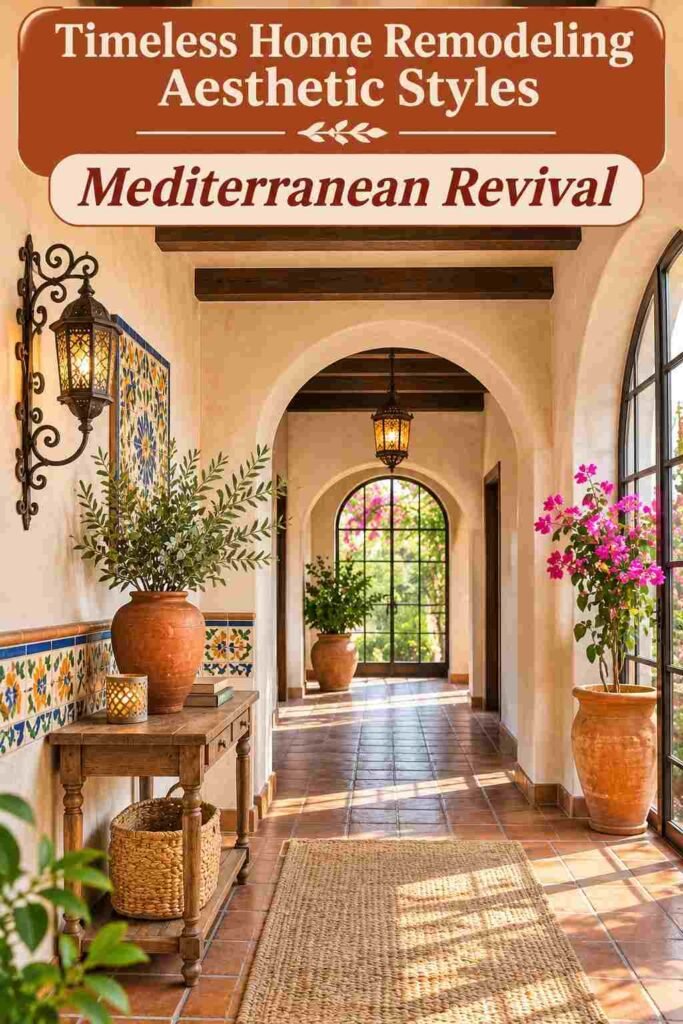
This style suits warm regions such as California, Texas, and Florida. Key features include textured plaster walls, arched doorways, terracotta floors, and zellige or hand-painted tile. Wrought iron lighting adds character. Warm earth tones and wood beams give rooms a sun-baked richness. Arches alone can transform a plain hallway into something memorable without major structural cost.
Kitchen and Bath Details That Define the Look
Finishes carry the style. These five choices help a kitchen or bathroom match your chosen direction.
16. Two-Tone Cabinets
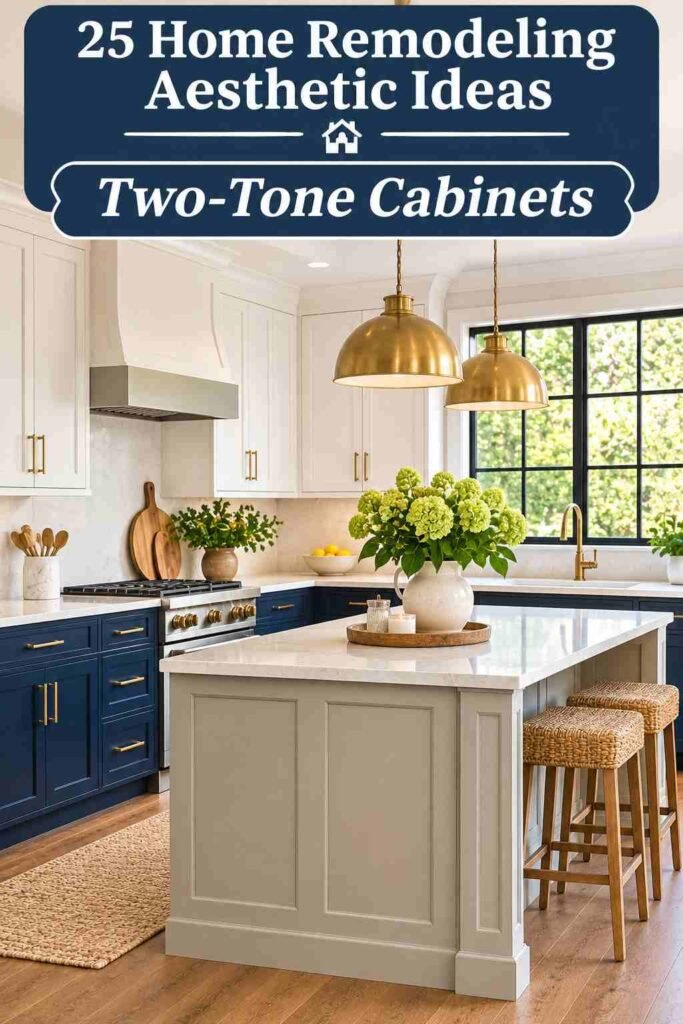
Pairing different cabinet colors adds depth without chaos. A common formula uses darker lowers, such as navy or forest green, with lighter uppers in white or cream. An island in a contrasting shade creates a focal point. Keep hardware consistent in finish. This approach lets you try a bold color safely, since the upper cabinets keep the room bright.
17. Natural Stone Counters
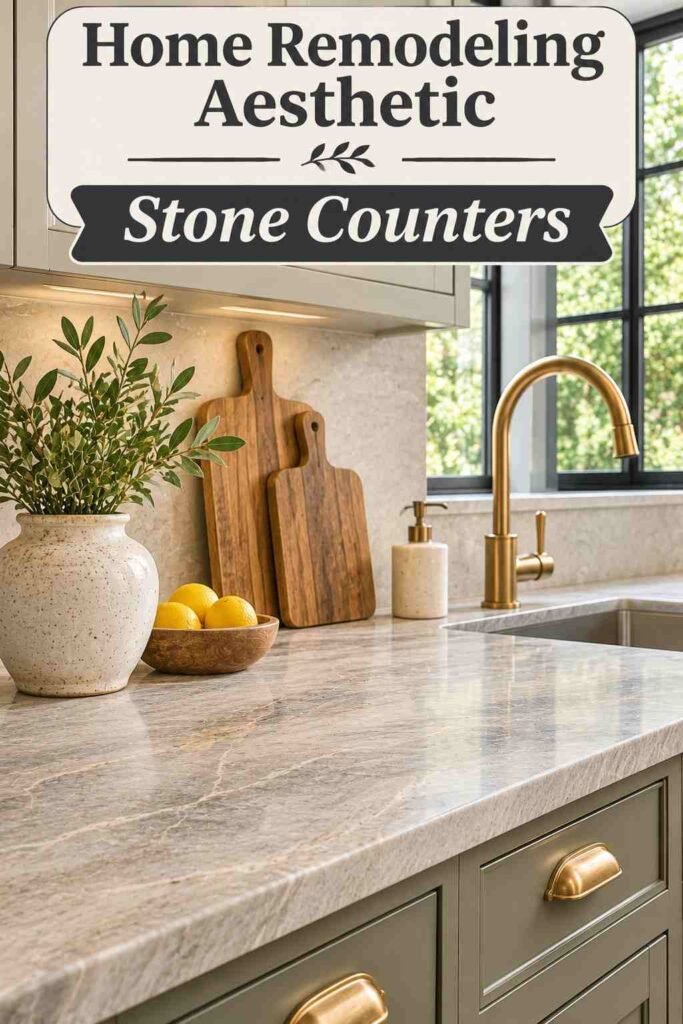
Marble, quartzite, and soapstone bring authenticity that few materials can match. Marble offers soft veining but stains more easily. Quartzite is harder and handles daily cooking well. Soapstone develops a gentle patina over time. Visit a stone yard and view full slabs before choosing, because patterns vary widely. Honed finishes hide fingerprints better than polished ones.
18. Spa-Style Bathroom
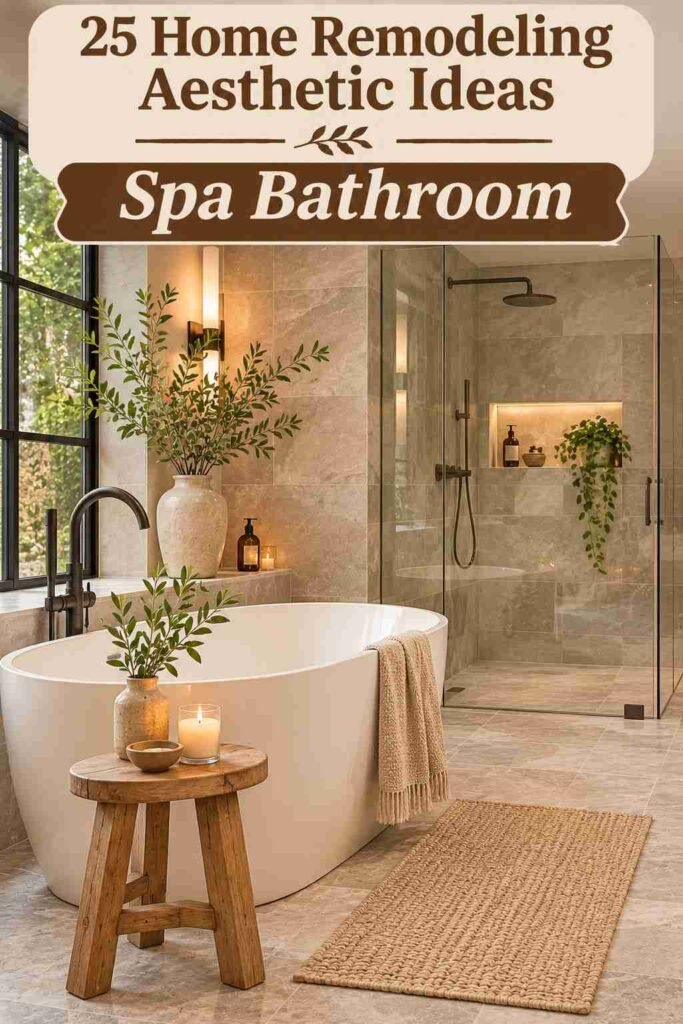
A spa bathroom focuses on calm. Use large-format tile, a frameless glass shower, and a freestanding tub if space allows. Neutral stone tones, wood accents, and warm lighting complete the mood. Add a heated floor for comfort on cold mornings. Good ventilation matters just as much as beauty, since it protects your finishes from humidity and mold.
19. Statement Tile Backsplash
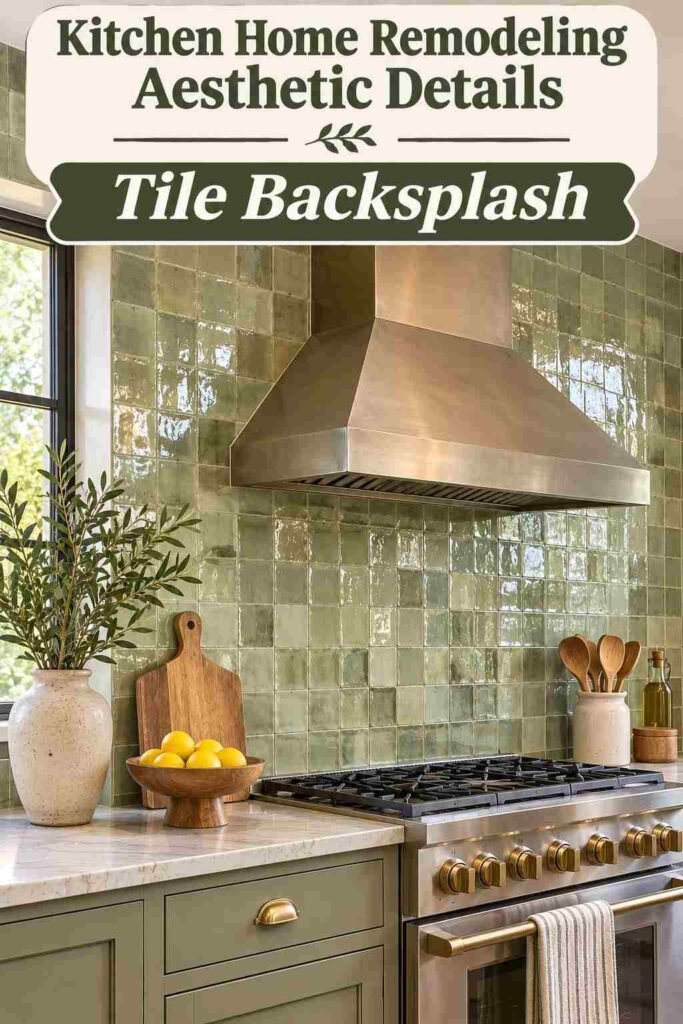
The backsplash is a small area with a big voice. Handmade zellige adds shimmer and irregular charm. Terrazzo suits retro designs. Simple white subway tile in a herringbone layout gives classic kitchens fresh energy. Run the tile to the ceiling behind a range hood for added drama. Choose a grout color that either blends in or defines the pattern clearly.
20. Matte Black Fixtures

Matte black faucets, light fixtures, and cabinet pulls offer crisp contrast against white, wood, or stone. They suit modern farmhouse, industrial, and transitional rooms alike. Repeat the finish in two or three places for balance, rather than everywhere. Check the manufacturer’s care guidance, since some finishes show water spots, and a quick wipe-down routine keeps them looking sharp. Do not forget curb appeal, so explore our home remodeling ideas exterior before you pick your siding and trim colors.
Light, Layout, and Outdoor Flow
Style is not only surface. How a home handles light, storage, and outdoor connection shapes how it feels every day.
21. Maximized Natural Light
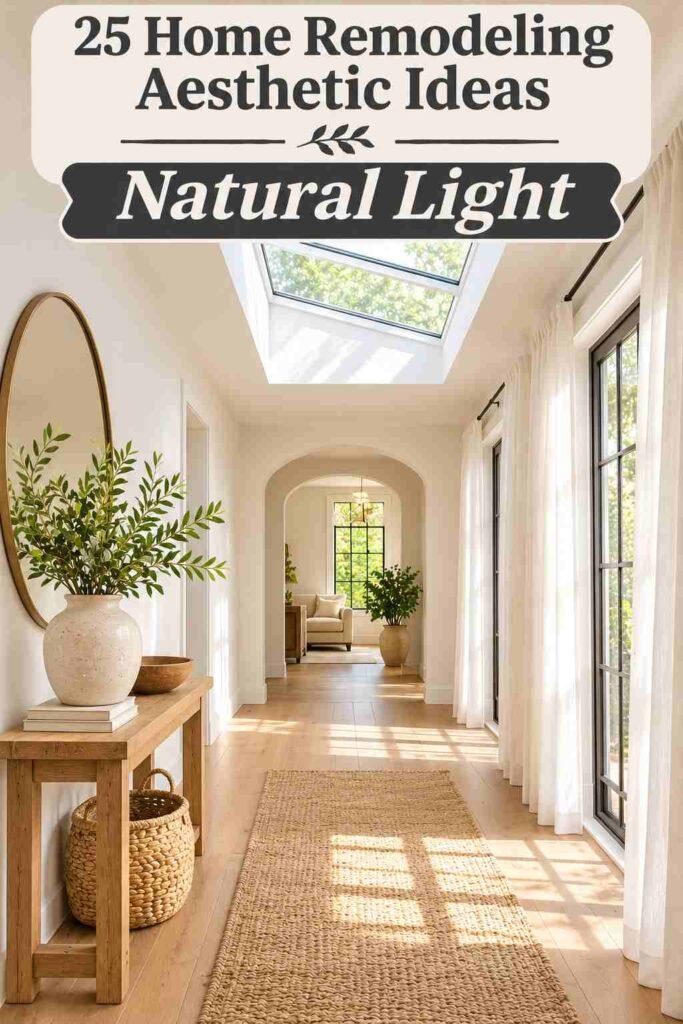
Daylight is the most flattering feature any room can have. Consider larger windows, glass doors, or a skylight in dark hallways. Light-reflecting paint and sheer curtains stretch the effect. Orientation matters: south-facing rooms get steady sun, while north-facing rooms benefit from warmer paint tones. A licensed contractor can confirm structural needs before you enlarge any opening. Keep every phase organized with this home remodeling checklist free printable before you hire contractors.
22. Built-In Storage
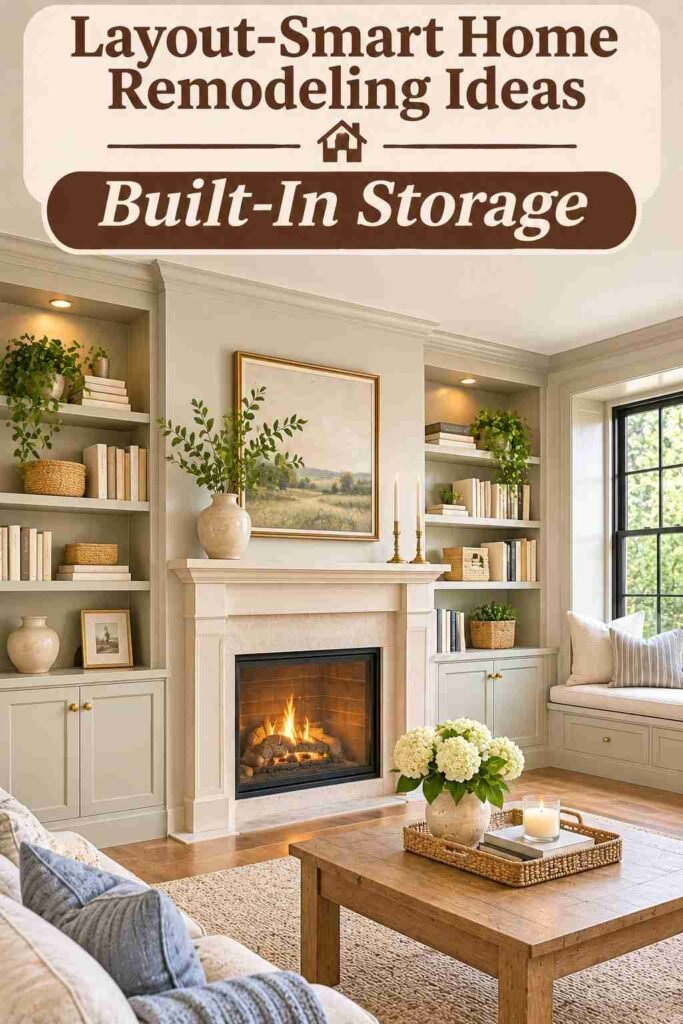
Built-in shelves, window seats, and mudroom benches make a home look custom and stay tidy. Paint them the same color as the walls for a seamless effect, or contrast them for emphasis. Flank a fireplace with cabinets to turn dead space into a library nook. Good storage supports almost every aesthetic by keeping surfaces clear and calm.
23. Layered Warm Lighting
One ceiling fixture rarely flatters a room. Combine ambient, task, and accent lighting. Use dimmers, under-cabinet strips, and table lamps. Choose bulbs around 2700K for a cozy glow. Sculptural pendants over an island double as decor. Lighting is among the most cost-effective upgrades, and it changes how every texture and color in your design appears.
24. Indoor-Outdoor Flow

Sliding or folding glass doors link interiors to patios and gardens. Matching floor tones inside and out make the transition feel continuous. A covered porch with weather-resistant seating extends your living space across seasons. This idea is especially popular in sunbelt states, and it adds everyday enjoyment because dinner, coffee, and weekend gatherings naturally spill outdoors.
25. Discreet Smart Features
Technology should support the design, not dominate it. Hide speakers in ceilings, choose slim thermostats, and use motorized shades that vanish when raised. Smart switches can control lighting scenes with a single tap. Plan wiring early, because adding conduit after drywall is costly. When done well, these features improve comfort and security while the room’s visual character stays untouched. Choosing finishes is easier with our guide to cabinet and countertop ideas for home remodeling.
How to Choose the Right Style for Your Home

Start with the architecture. A 1950s ranch rarely suits a Tuscan villa look, but it welcomes mid-century or Japandi design beautifully. Then think about daily habits. If you cook often, durable counters matter more than delicate marble. Collect a small sample board with paint chips, tile, and wood swatches, and view them in morning and evening light. Planning a spa-style refresh? Browse these home remodeling ideas for bathroom tile, vanity, and lighting inspiration.
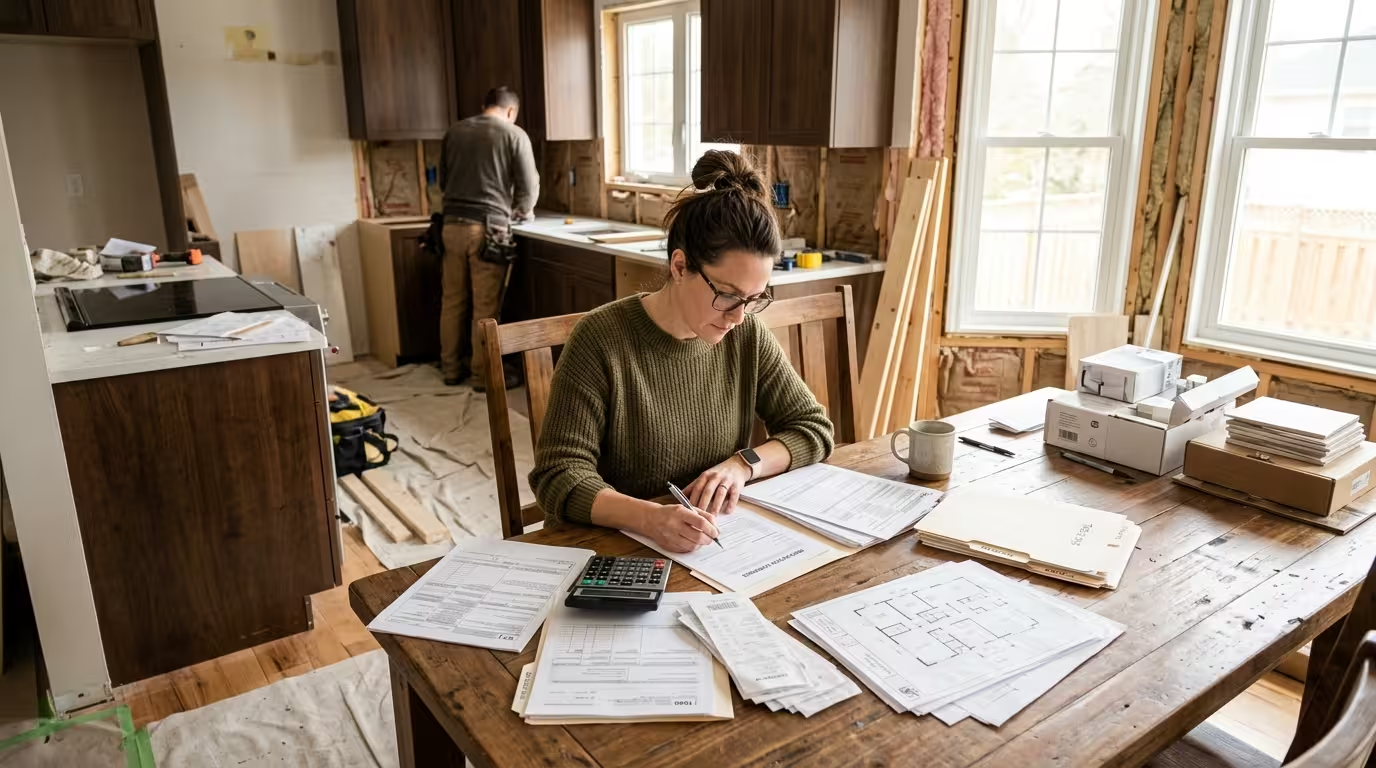
Next, set a budget with a 10 to 20 percent contingency, a range many contractors recommend for hidden surprises. Prioritize changes that last: layout, lighting, and built-ins. Paint and decor can follow. Finally, limit yourself to two or three main materials per room so the design feels intentional.
Conclusion
A remodel succeeds when the finished home feels like you. The right home remodeling aesthetic gives every choice a purpose, from tile to trim to the way light moves through a room. Whether you lean toward the quiet warmth of Japandi or the drama of a moody palette, begin with your home’s architecture, your daily routines, and your budget. Pick one look, test it with samples, and build slowly. Thoughtful planning will reward you with rooms that stay beautiful for years. For more design inspiration and project stories, visit outinteriors and see how other homeowners shaped their spaces.