Colorful Bedroom Decorating Ideas: A Complete Guide to a Bright, Cozy, and Personal Sleep Space
A bedroom should feel like the most personal room in the home. The best colorful bedroom decorating ideas do not simply add bright pillows to a plain room. They create a balanced mood through paint, bedding, lighting, texture, art, and small details that feel connected.
Color can make a bedroom feel cheerful, calm, romantic, playful, grounded, or quietly dramatic. The key is knowing how much color your room can handle and where to place it. A small bedroom may need soft contrast and light-reflecting finishes. A large bedroom can carry deeper walls, patterned curtains, and layered textiles. This guide walks you through practical, colorful bedroom decorating ideas that work for real homes, not just staged photos.
Why Color Works So Well in the Bedroom
Color changes how a room feels before any furniture is noticed. A pale blue wall can make a bedroom feel cooler and quieter. A warm terracotta throw can make white bedding feel less plain. A green headboard can connect the space to nature. Even one painted nightstand can shift the mood of the entire room.
The most successful colorful bedroom decorating ideas start with feeling, not just appearance. Ask yourself what you want the room to do at the end of the day. Should it help you relax, wake you up gently, support reading, or feel like a boutique hotel? When the emotional goal is clear, choosing colors becomes easier. The bedroom can still be expressive, but it should not feel visually noisy when the lights go down.
Start With a Simple Color Story
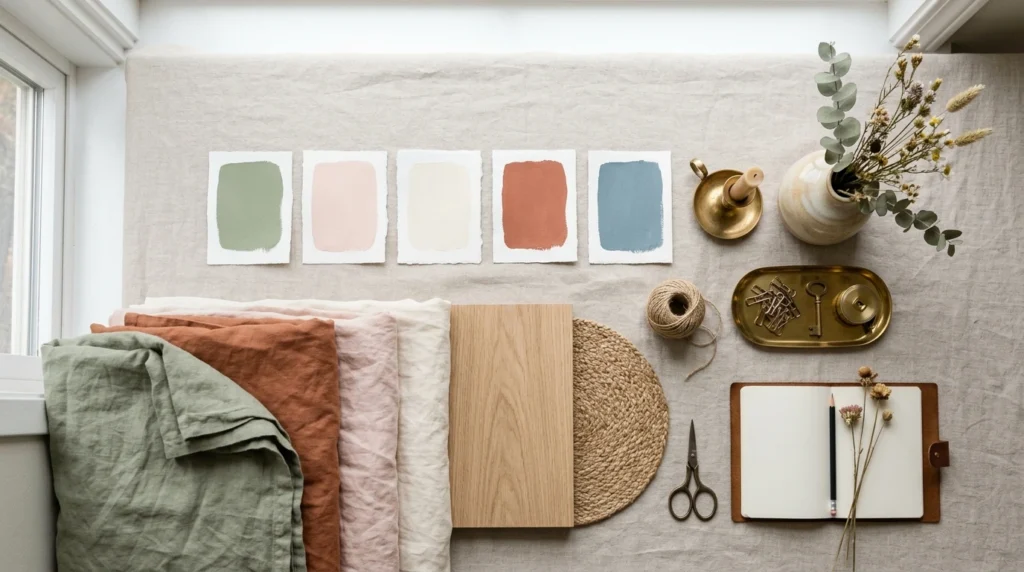
A colorful room does not need every shade in the paint deck. In most bedrooms, three main colors are enough: one base color, one supporting color, and one accent color. The base might be creamy white, powder blue, sage green, blush, clay, or warm beige. The supporting shade can appear in curtains, a rug, or bedding. The accent color should be the smallest but most memorable part of the room.
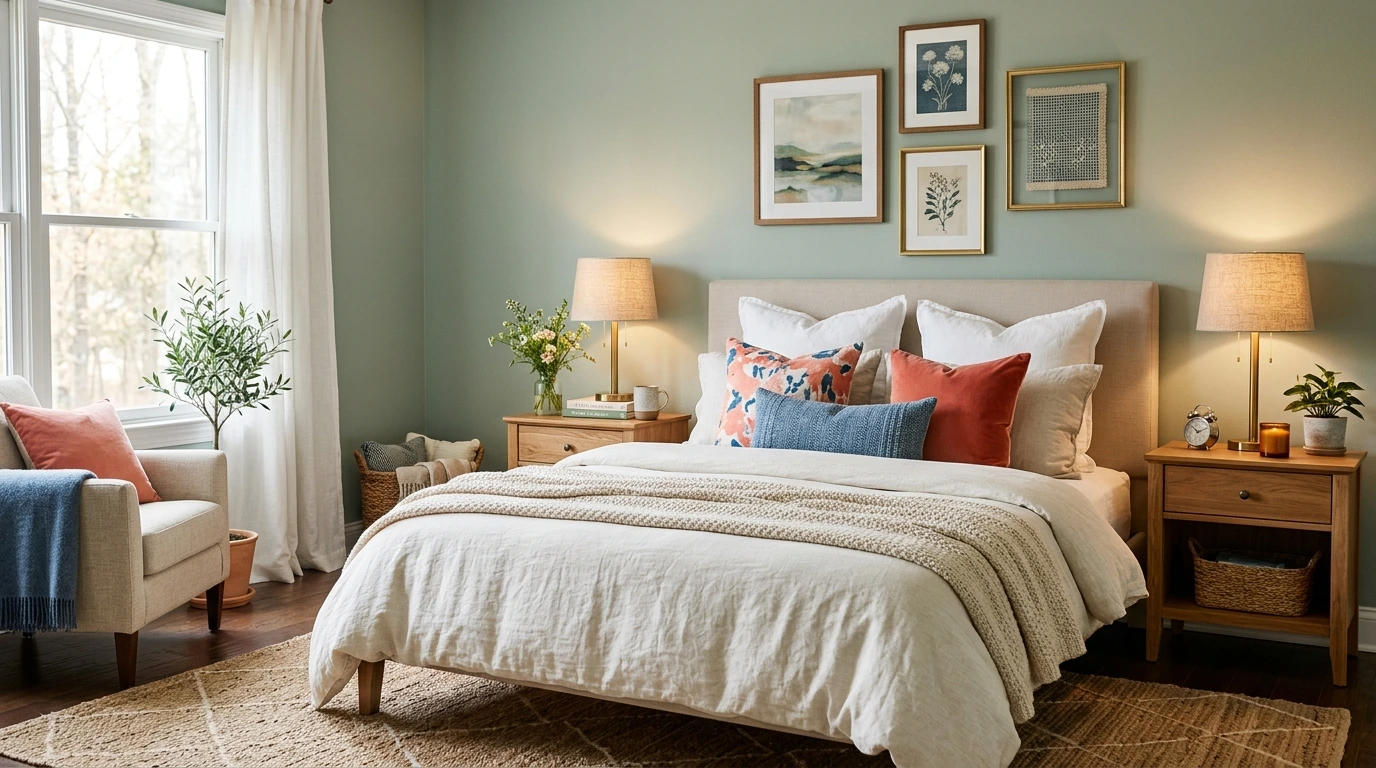
This approach keeps the palette easy to control. For example, try sage walls, ivory bedding, and coral lamps. Or use soft lavender walls, walnut furniture, and mustard pillows. If you prefer a bold room, choose teal walls, rust bedding, and brass accents. The palette should repeat in at least three places so the space feels planned rather than random.
Choose a Color Palette Based on Room Size
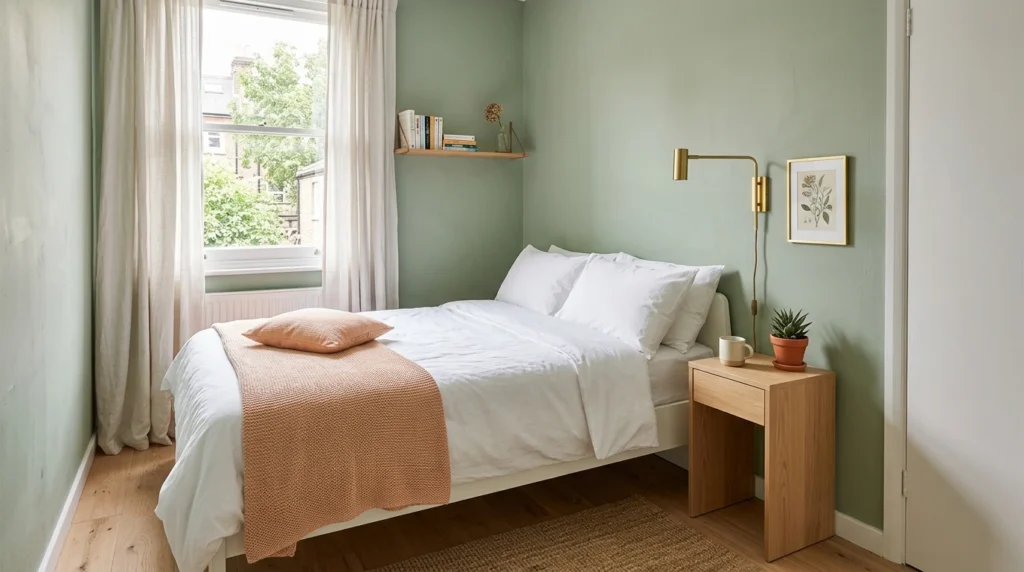
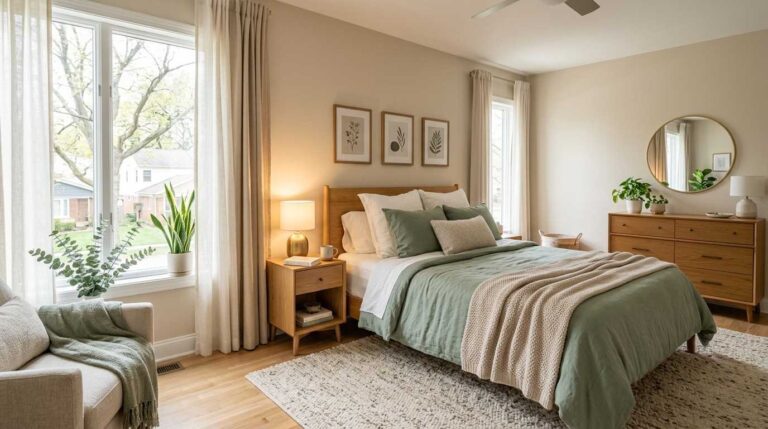
Small bedrooms can absolutely handle color, but placement matters. Instead of using five bright tones, choose one gentle wall color and let accents do the work. Soft green, muted peach, pale yellow, powder blue, and warm pink can make a compact room feel alive without closing it in. Use the stronger colors on smaller pieces such as pillow covers, art frames, lampshades, and a bedside stool.
Large bedrooms often need more saturation to feel cozy. Deep blue, olive, plum, cocoa brown, or smoky jade can make empty wall space feel intentional. These richer shades work especially well when balanced with light bedding and warm lamps. One of the most practical, colorful bedroom decorating ideas for a large room is to paint all four walls in a mid-tone color instead of using one sharp accent wall.
Try Color Drenching for a Calm but Bold Look
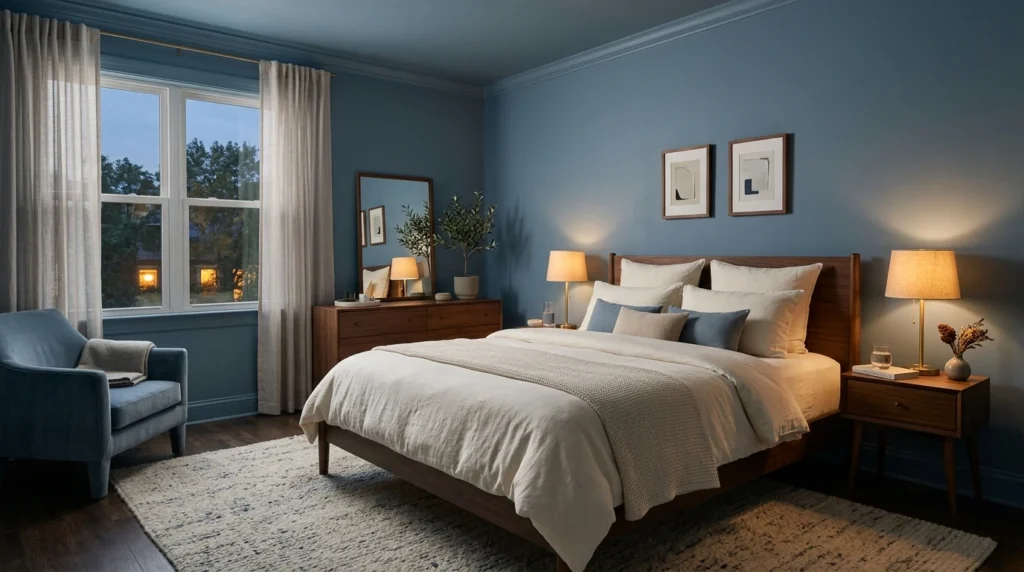
Color drenching means using one color family across the walls, trim, doors, and sometimes the ceiling. It sounds dramatic, but it can actually make a bedroom feel calmer because the eye is not jumping between many contrasts. This works beautifully with muted green, dusty blue, plaster pink, clay, mushroom, or soft brown.
For a polished effect, vary the finish instead of changing the color. Use matte or eggshell paint on the walls and a satin finish on trim. Add bedding in a lighter or darker version of the same shade. This is one of the more refined, colorful bedroom decorating ideas because it feels bold without looking chaotic. It also works well in rooms with awkward doors, low ceilings, or uneven trim because the single-color effect softens visual breaks.
Use Paint Where It Has the Most Impact
Paint is usually the fastest way to change the mood of a bedroom. If you are unsure about painting the whole room, start with the wall behind the bed. This gives the bed a clear focal point and lets you try a stronger color without overwhelming the space. A painted ceiling can also be effective, especially in a white or neutral room that needs warmth.
For renters, removable wallpaper, peel-and-stick murals, painted furniture, and large fabric panels can create the same sense of color without a permanent change. Another smart option is painting only the lower half of the wall, then adding a slim trim line. These colorful bedroom decorating ideas give personality to the room while keeping the project manageable.
Balance Bright Colors With Natural Materials
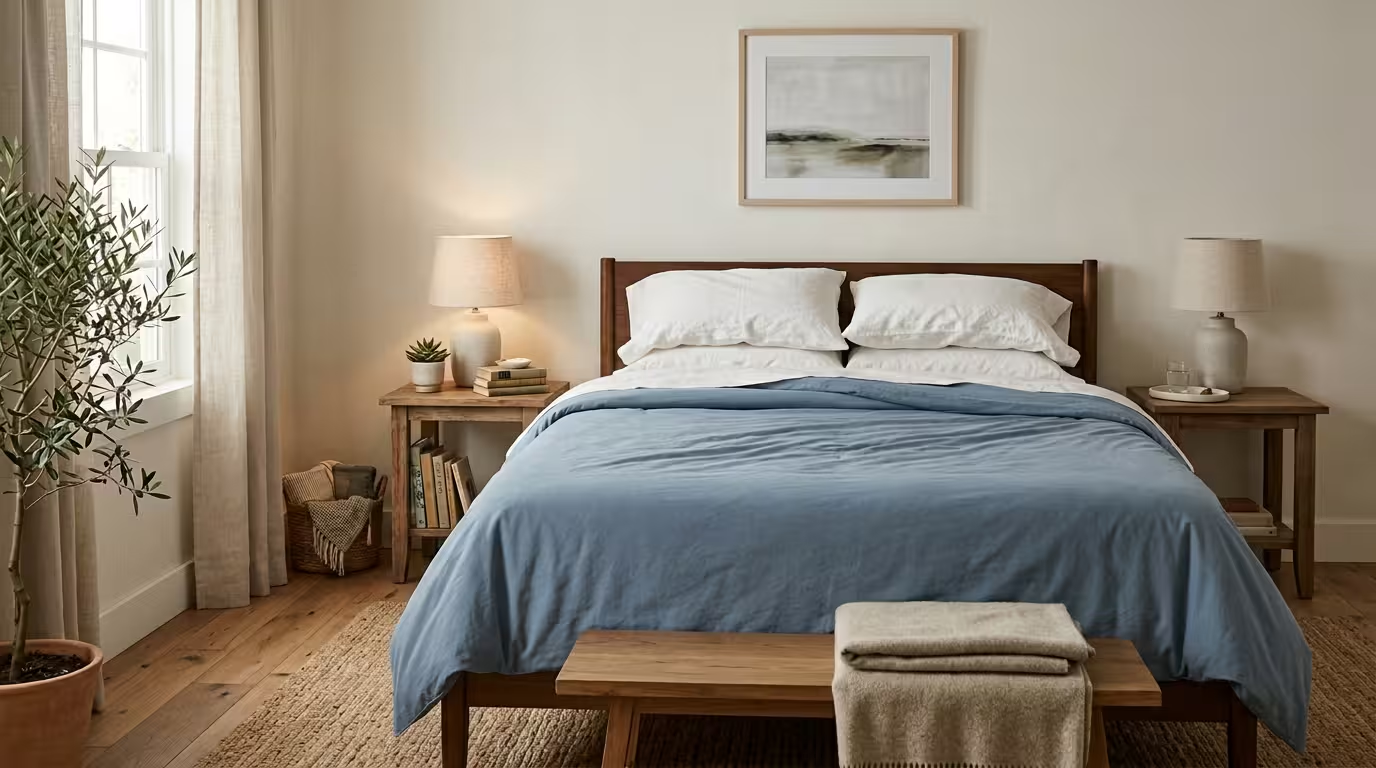
Bright colors look better when it has something natural beside them. Wood, rattan, linen, cotton, wool, cane, jute, and ceramic pieces soften strong paint and make the room feel more grown-up. A yellow bedroom can feel calmer with oak furniture. A pink bedroom feels less sweet with walnut or antique brass. A blue bedroom becomes warmer when paired with woven baskets and textured bedding.
This balance is important because bedrooms are not just display spaces. They should feel comfortable living every day. If your walls or bedding are colorful, keep at least one large element natural. That could be a wood bed frame, a neutral rug, linen curtains, or a simple white duvet. Natural texture gives the eye a place to rest.
Layer Bedding Like a Designer

Bedding is the easiest place to test colorful bedroom decorating ideas because it can change with the seasons. Start with sheets in a soft neutral, then add a quilt, duvet, or coverlet in a color you love. Finish with two or three accent pillows, not a pile that has to be removed every night. The result should feel inviting, not complicated.
For a fresh look, pair unexpected colors in small doses. Try blue sheets with a rust quilt, blush pillows with olive bedding, or a lavender throw over white linen. Pattern also helps. Stripes, block prints, florals, checks, and small geometrics can bring multiple colors together. If the walls are bold, choose bedding with quieter patterns. If the walls are plain, let the bedding carry the color story.
Add Wallpaper Without Overwhelming the Room
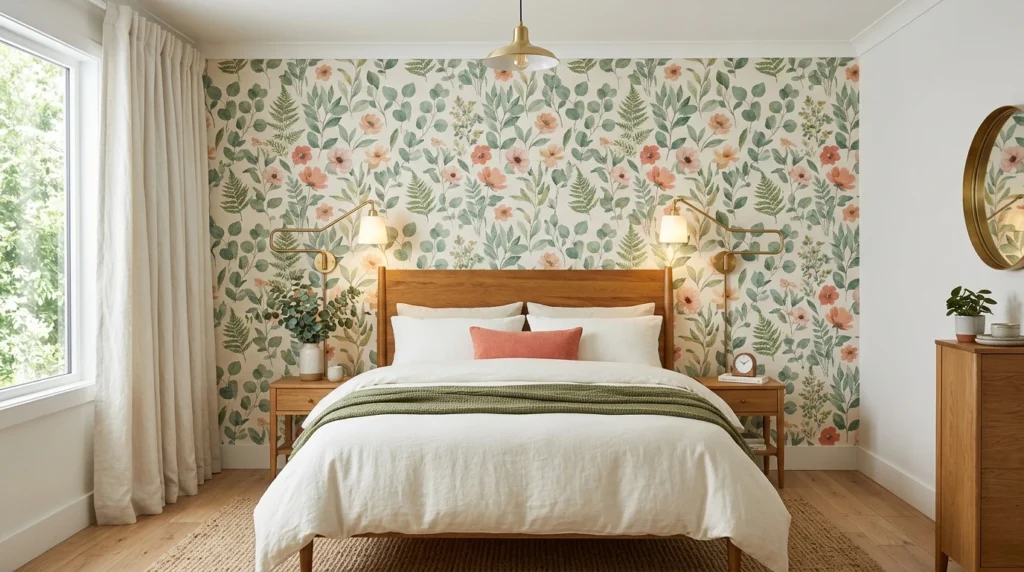
Wallpaper can make a bedroom feel special, especially when the pattern includes colors already used elsewhere. A botanical print can connect green walls to blush bedding. A small floral can soften a guest room. A striped wallpaper can make a low room feel taller. A mural behind the bed can replace the need for a large headboard or artwork.
The safest way to use wallpaper is to keep the rest of the room edited. If the wallpaper is bold, choose solid bedding and simple lamps. If the wallpaper is soft, you can add more pattern through pillows or curtains. Colorful bedroom decorating ideas with wallpaper work best when the pattern supports the room’s mood instead of becoming the only thing people notice.
Make Curtains and Rugs Part of the Palette
Curtains are often treated as background, but they can be one of the strongest color moments in a bedroom. Floor-length panels in olive, ochre, clay, blue, burgundy, or soft pink can make the room feel finished. They also create vertical color, which helps the bedroom feel taller and more layered.
A rug can pull together colors that otherwise feel separate. In a bedroom with white walls and colorful bedding, choose a rug that includes the bedding color plus one grounding shade such as tan, navy, brown, charcoal, or olive. In a room with painted walls, a quieter rug can add texture without competing. If a large rug is too expensive, place smaller runners on both sides of the bed.
Bring in Color Through Art and Personal Objects
Art makes colorful bedroom decorating ideas feel personal. It can also solve palette problems. If you love several colors but do not know how to combine them, find artwork that already uses those shades. Then repeat two or three of those colors in bedding, lamps, or accessories.
Personal objects matter too. A painted jewelry box, a stack of books, a handmade ceramic vase, a travel print, or a framed textile can give the room warmth. Avoid filling every surface. A colorful room needs editing so special pieces stand out. Keep nightstands practical, leave space for a lamp and a water glass, and use wall shelves if you want to display more items without crowding the bed area.
Try Jewel Tones for a Sophisticated Bedroom
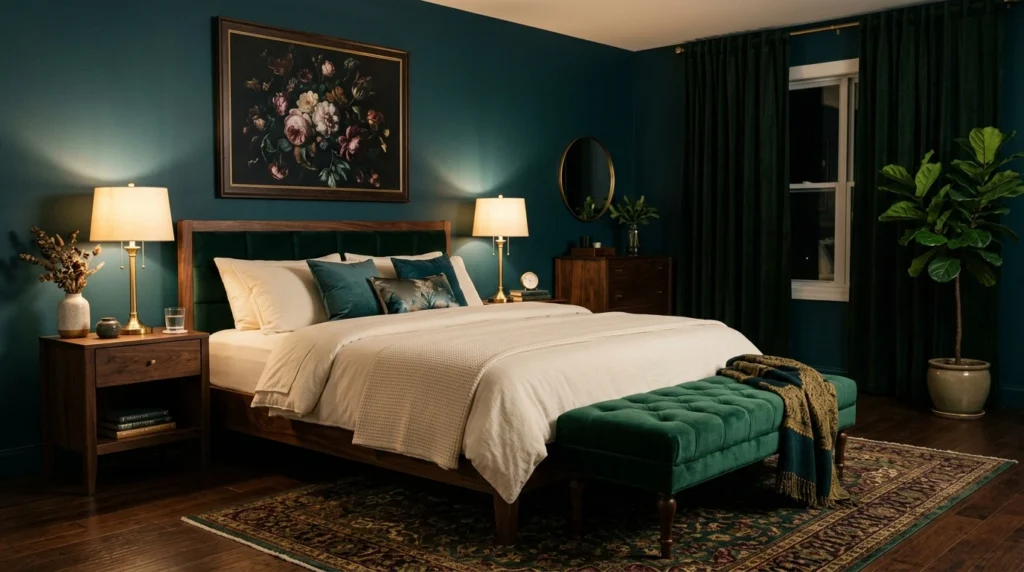
Jewel tones can feel rich and restful when they are slightly muted. Emerald, sapphire, aubergine, garnet, peacock blue, and deep teal work beautifully in adult bedrooms. The trick is to pair them with soft light, warm metals, and tactile fabrics. Velvet, linen, wool, and aged brass can make these colors feel elegant instead of loud.
For a full-room approach, try deep teal walls with ivory bedding and walnut furniture. For a smaller step, use jewel-toned lamps, a quilt, or an upholstered bench. This approach is ideal for people who want a room that feels dramatic at night but still polished during the day.
Try Pastels Without Making the Room Feel Childish
Pastels can be calm, fresh, and modern when they are paired with clean shapes and natural textures. The best bedroom pastels are not sugary. Look for dusty pink, misty blue, butter yellow, lavender-gray, mint, and soft peach. These shades bring color while keeping the room light.
To make pastels feel mature, add contrast. Use black picture frames, walnut furniture, striped bedding, or a sculptural lamp. A pastel room also benefits from texture: linen sheets, a bouclé chair, a woven shade, or a wool rug. One of the most useful, colorful bedroom decorating ideas for pastel lovers is to choose one pastel as the main color and one earthy tone as the anchor.
Decorate With Warm Earthy Colors
Earthy color is one reason warm bedrooms feel current and livable. Terracotta, rust, ochre, cocoa, olive, camel, clay, and muted coral can make a bedroom feel cozy without feeling dark. These shades work especially well with cream walls, natural wood, leather, woven materials, and aged metal.
Earth colors are also forgiving. They hide minor wear better than very pale shades and look good in both old and new homes. If you want warmth but fear orange or red, start with clay-colored pillows, a rust throw, or artwork with brown and ochre tones. This palette is easy to adjust because earthy shades pair well with neutrals you may already own.
A bedroom with earthy colors, linen bedding, and wood accents can connect beautifully with the Provencal garden furniture trend-2026 for a warm indoor-outdoor style.
Mix Patterns With Confidence
Pattern mixing can make a bedroom look collected over time. The secret is scale. Use one large-scale pattern, one medium pattern, and one small pattern. For example, pair floral curtains with a striped quilt and checked pillows. Keep the colors related so the mix feels intentional.
If you are nervous, start with two patterns only. A stripe and a floral are a classic pair. Keep the rest of the room quiet with solid lamps, simple furniture, and one main wall color. Pattern should add rhythm, not clutter.
Improve the Mood With Lighting
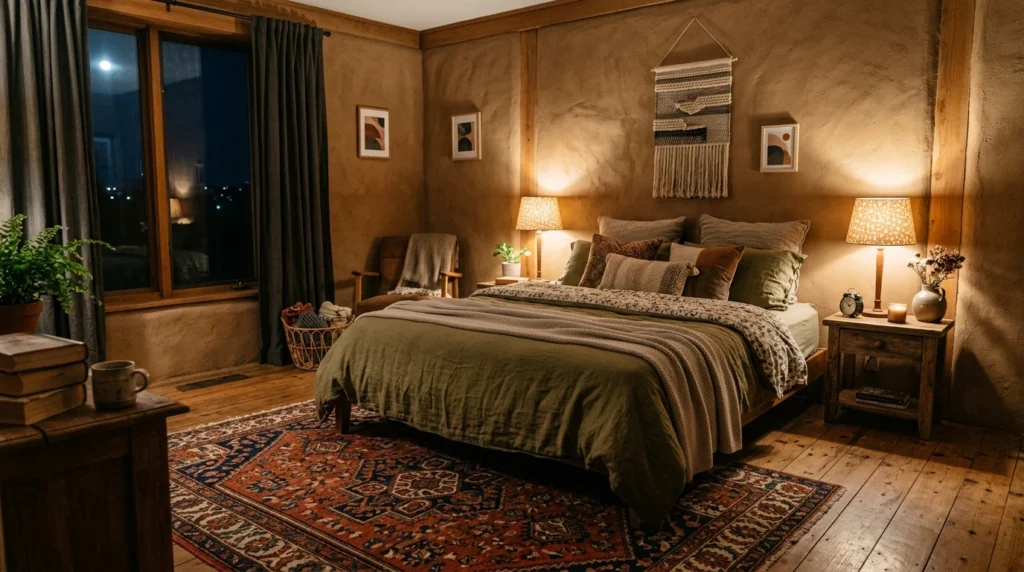
Lighting can make or break a colorful bedroom. The same paint color can look soft in warm evening light and harsh under a cool white bulb. Use layered lighting: one overhead source, bedside lamps, and a small accent light if the room allows. Warm bulbs usually make bedrooms feel more comfortable, especially with pink, yellow, red, brown, and green tones.
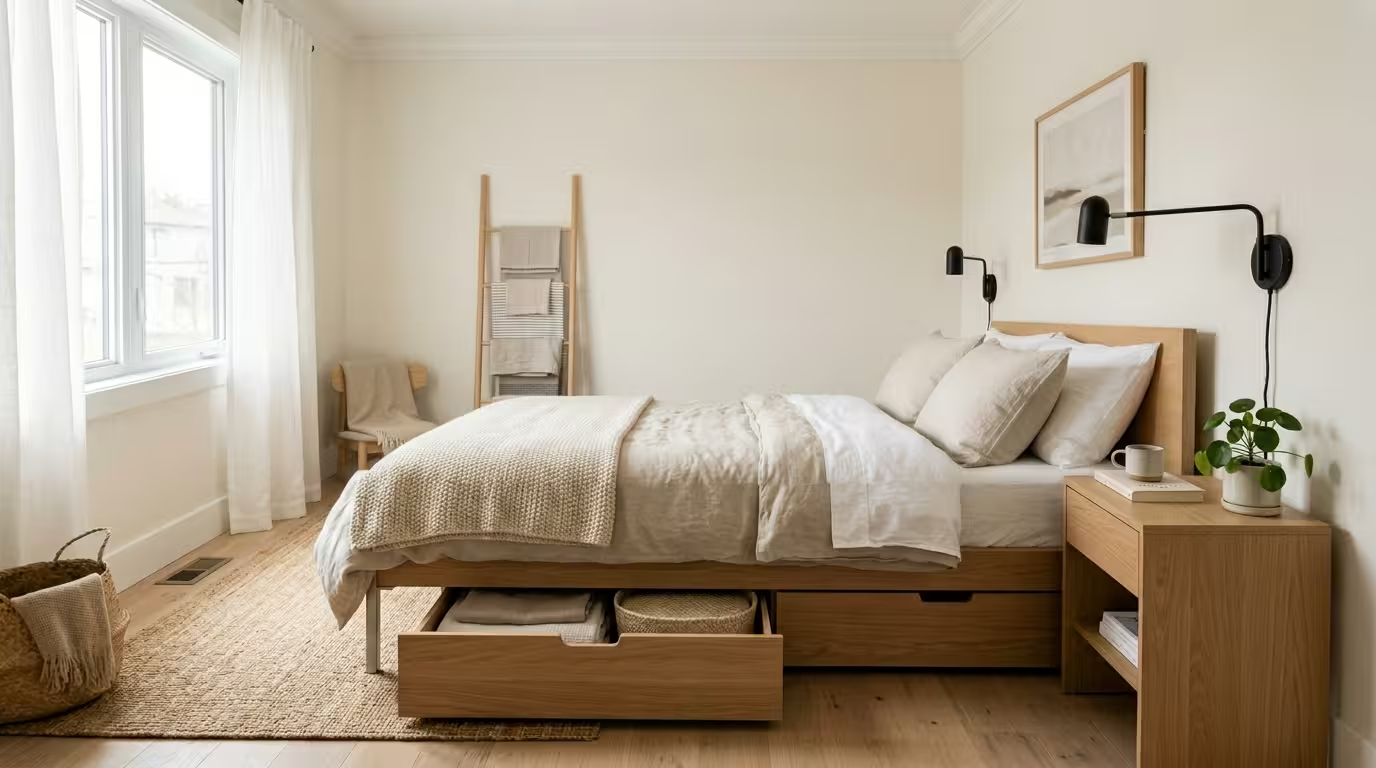
Lampshades are another chance to add color. A pleated shade in blue, rust, or green can make a simple lamp feel custom. Wall sconces free up nightstand space in small rooms. Dimmers are useful because they let the bedroom shift from bright morning light to a calm evening setting. This is one of the most overlooked, colorful bedroom decorating ideas, but it has a major effect.
Keep Sleep Comfort in the Plan
A beautiful bedroom still has to support rest. Strong color can work in a sleep space, but it should be balanced with darkness, comfort, and quiet. Sleep-focused organizations commonly recommend a bedroom that is cool, dark, quiet, and comfortable. If your palette is bright, use blackout window treatments, soft bedding, and low evening lighting to help the room wind down.
Think about what you see from the bed. If a bright gallery wall energizes you too much at night, place it behind the headboard instead of opposite the bed. If red walls feel too intense, use red as a small accent and choose a calmer base. The best colorful bedroom decorating ideas respect both personality and rest.
Colorful Bedroom Decorating Ideas for Different Styles
A modern colorful bedroom might use a clean white base, a cobalt lamp, abstract art, and a solid green quilt. A cottage-style bedroom may use floral wallpaper, painted furniture, scalloped details, and a mix of pink, blue, and cream. A bohemian room can carry rust, teal, mustard, plants, woven shades, and layered rugs.
Traditional rooms look beautiful with navy, burgundy, olive, chocolate, and cream. Coastal bedrooms can use watery blues, sea-glass green, coral, and sandy beige. Minimal rooms can still be colorful through one strong piece, such as a painted headboard or large artwork. Matching the color plan to the style of your furniture keeps the room coherent.
You can also explore living room paint color ideas when you want nearby spaces to flow naturally with your bedroom palette.
Common Color Mistakes to Avoid
The first mistake is choosing a paint color before checking it in the room. Paint changes with daylight, bulb temperature, flooring, and nearby furniture. Always test a sample on more than one wall and look at it in the morning, afternoon, and evening. A shade that looks calm in a store may feel too bright at home.
The second mistake is using too many small accents. Ten unrelated colorful items can make a bedroom feel busy. Three repeated colors usually work better. The third mistake is ignoring undertones. A cool gray floor may clash with a warm yellow wall. A creamy trim may make a cool white wall look flat. Look at the permanent finishes first, then choose a color.
Budget-Friendly Ways to Add Color
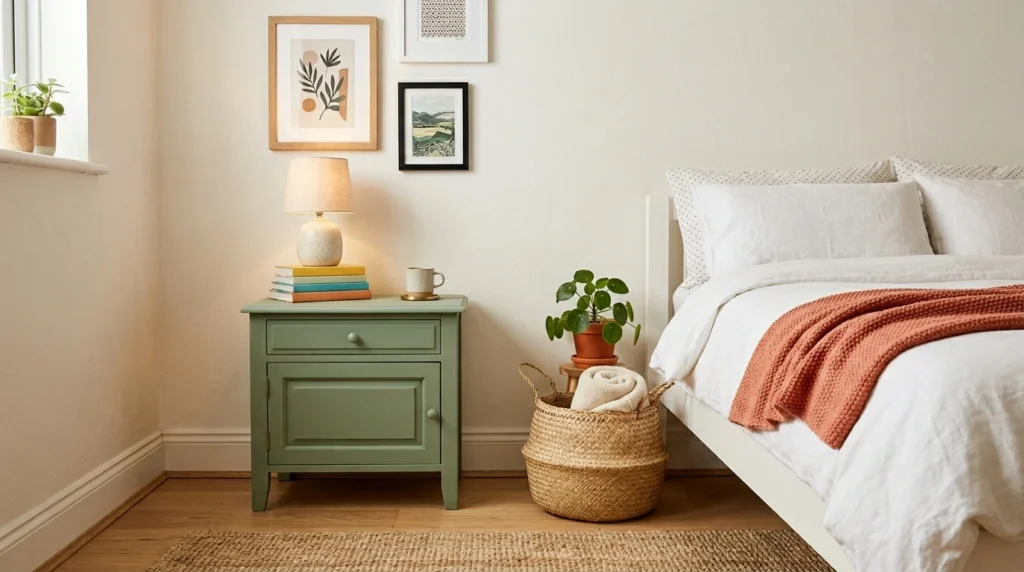
You do not need a full renovation to refresh a bedroom. Change pillow covers, add a throw, paint a lamp base, frame colorful prints, update a lampshade, or place a runner beside the bed. Rearranging books by color or adding a painted tray can also make a difference.
For a bigger change on a small budget, paint secondhand furniture. A green nightstand, blue dresser, or red bench can become the room’s statement piece. Removable wallpaper inside a closet, behind shelves, or on the headboard wall is another affordable option. These updates are ideal for renters, first homes, guest rooms, and seasonal refreshes.
For compact bedrooms, pair soft bedding with green paint small rooms to create a fresh look that feels calm instead of cramped.
A Simple Step-by-Step Decorating Plan
Start by choosing one feeling for the bedroom: calm, cheerful, romantic, moody, fresh, or cozy. Then choose one main color that supports that feeling. Add one neutral to balance it and one accent color for interest. Before buying anything large, gather paint chips, fabric samples, flooring photos, and furniture finishes in one place.
Next, decide where the strongest color will go. It may be the walls, bed, rug, curtains, or artwork. Do not make every piece compete. After that, repeat the main color in small ways around the room. Finish with lighting, texture, and storage so the room stays comfortable. This process makes colorful bedroom decorating ideas easier to execute and less expensive to correct.
Conclusion:
Color can turn a bedroom from plain to personal, but the best results come from balance. A strong wall color needs soft bedding. A bright pattern needs simple furniture. A pastel palette needs texture and contrast. A jewel-toned room needs warm light. When these details work together, the bedroom feels expressive and restful at the same time.
The most useful colorful bedroom decorating ideas are the ones you can live with every day. Start with a clear mood, repeat your colors, test paint in real light, and give the eye a few quiet places to rest. Whether you love soft pastels, earthy warmth, bold jewel tones, or playful patterns, your bedroom can feel colorful, comfortable, and completely your own.
Frequently Asked Questions:
What are the best colors for a colorful bedroom?
The best colors depend on the mood you want. Soft blue, sage, blush, lavender, warm white, and peach feel calm. Teal, olive, rust, navy, plum, and terracotta feel richer and cozier. Bright yellow, coral, and green work well as accents if you want energy without overwhelming the room.
How many colors should I use in one bedroom?
Most bedrooms look best with three main colors. Use one base color, one supporting color, and one accent color. You can add small variations of those shades through texture, pattern, and artwork, but keeping the main palette limited makes the room feel more polished.
Can a small bedroom handle bold color?
Yes, a small bedroom can handle bold color when it is used thoughtfully. Try a painted headboard wall, colorful bedding, patterned curtains, or a saturated ceiling. If you paint all four walls, balance the color with light bedding, simple furniture, and good lighting.
What is the easiest way to add color without painting?
Bedding, curtains, rugs, art, lampshades, and removable wallpaper are easy ways to add color without painting. You can also paint a dresser, nightstand, mirror frame, or headboard if you want a stronger change that does not affect the walls.
What colors make a bedroom feel cozy?
Terracotta, rust, olive, cocoa, caramel, burgundy, deep blue, plum, and warm beige can make a bedroom feel cozy. Add texture through linen, wool, velvet, wood, and woven pieces to make the color feel softer and more inviting.