
Effective room decorating prioritizes daily needs over style. Design should enhance how you sleep, work, relax, gather, or focus. That sounds obvious, but many spaces feel off because people shop before they plan. The strongest decorating advice across leading home sites points back to the same basics: think about function, respect scale, control color, and use lighting to shape mood. Once those pieces are in place, the room starts to feel intentional instead of random.
Featured Room Decorating Guides
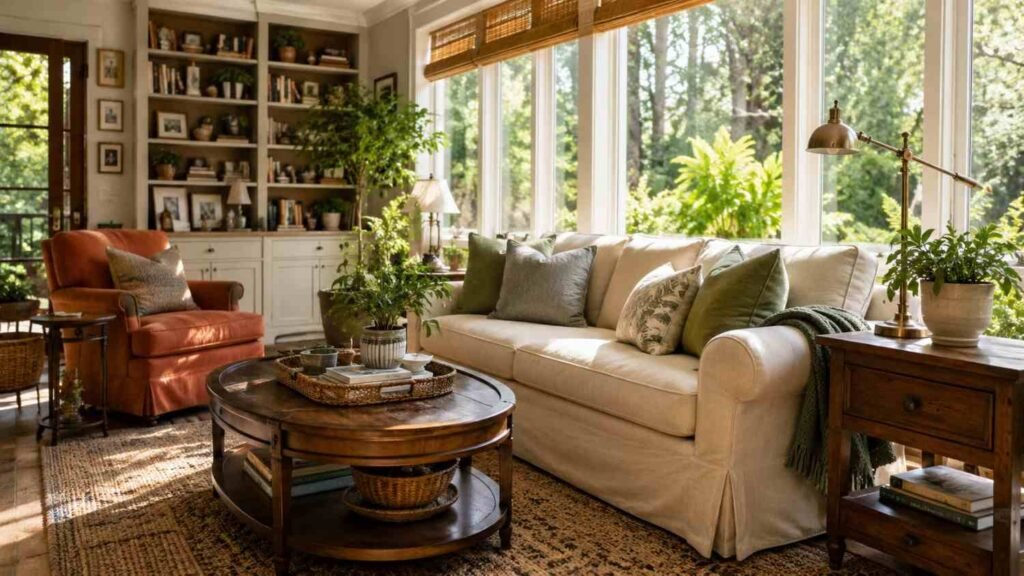
Sunroom Den Ideas: Turn Glass Space Into Cozy, Modern, and Four-Season Designs
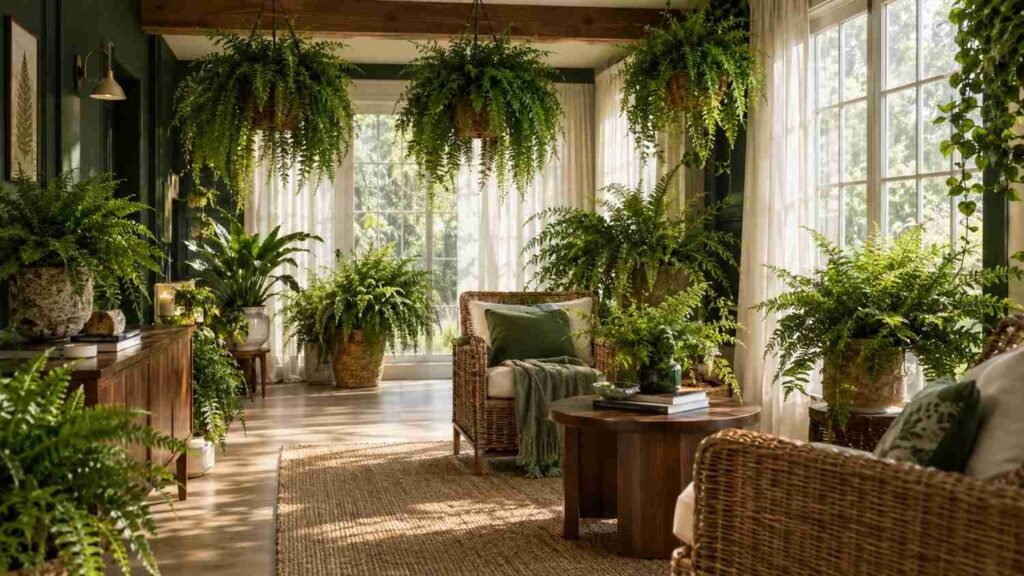
Lush Fern Sunroom Ideas to Turn Any Room Into a Living Retreat (Ideas, Plants & Care Tips)
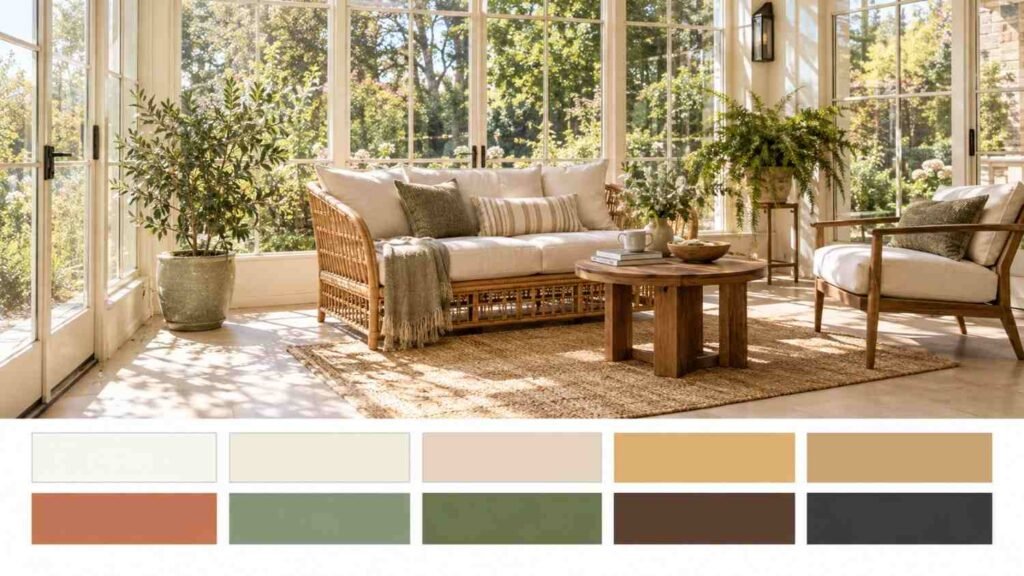
Indoor Sunroom Furniture Ideas to Transform Your Sunlit Space in 2026
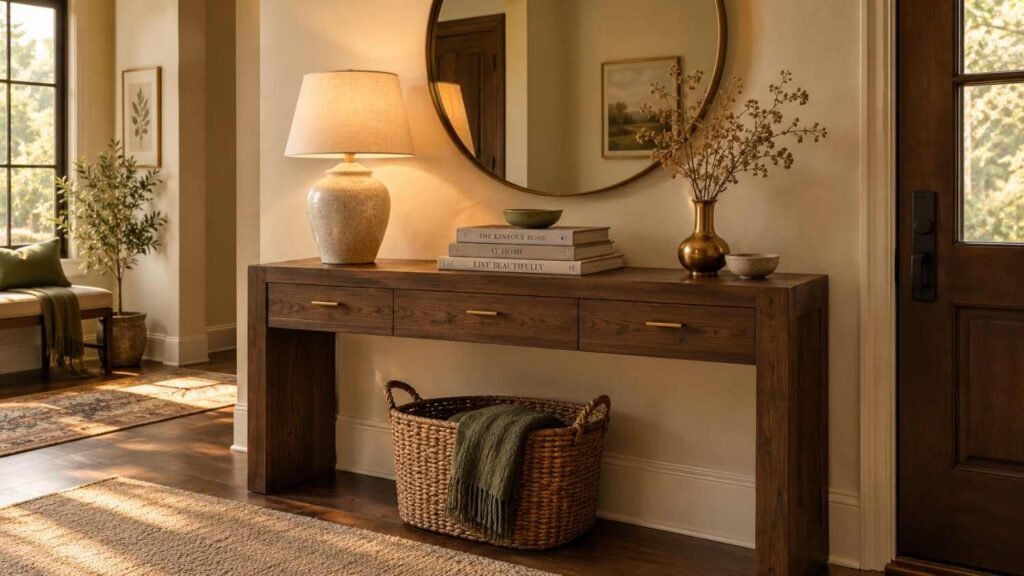
Cozy Console Table Styling Ideas to Transform Any Room in 2026
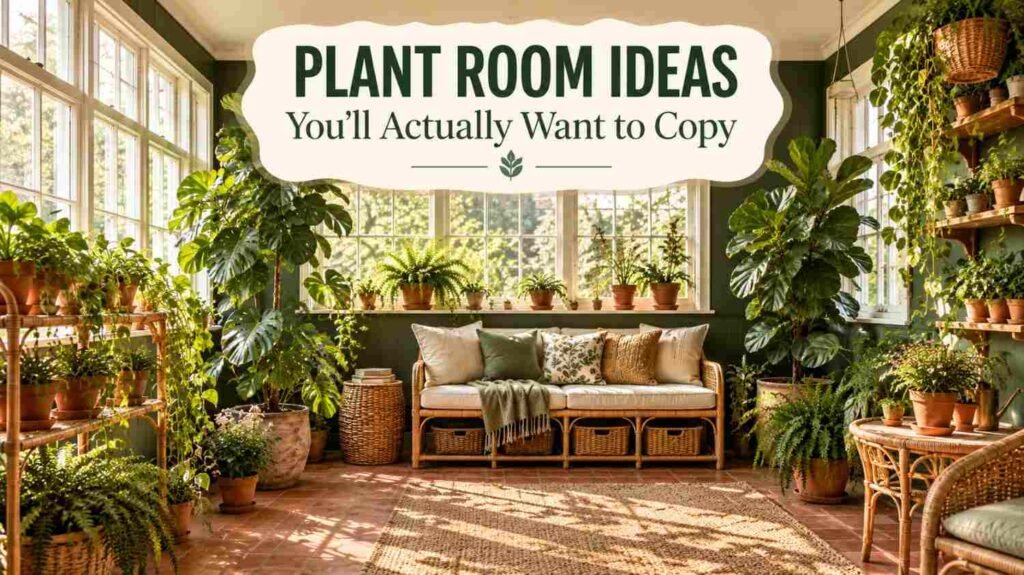
Plant Room Ideas to Build a Thriving Indoor Garden in Any Home
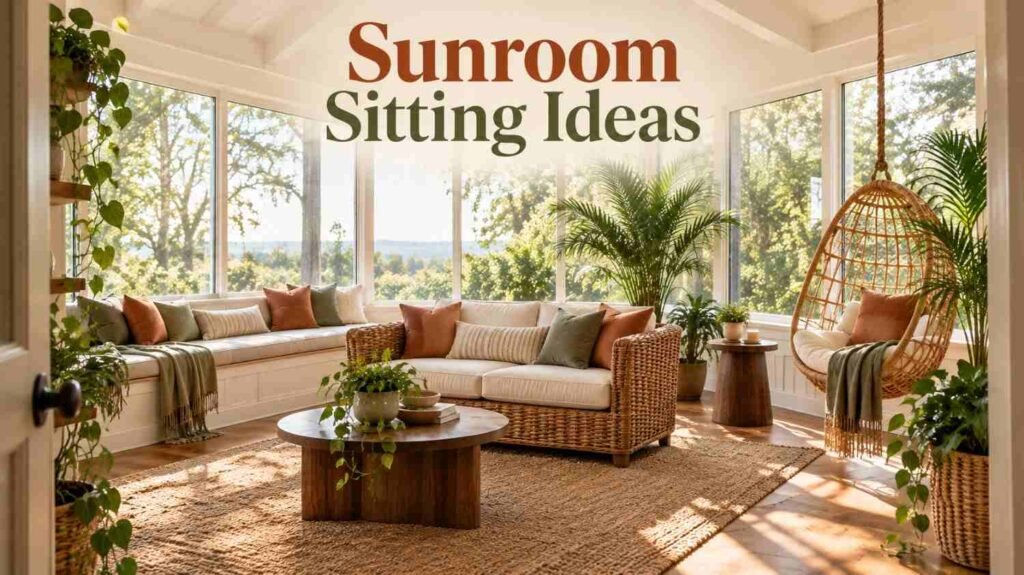
Sunroom Sitting Ideas to Create the Ultimate Year-Round Retreat

Bohemian Chic Sunroom Ideas to Transform Your Space
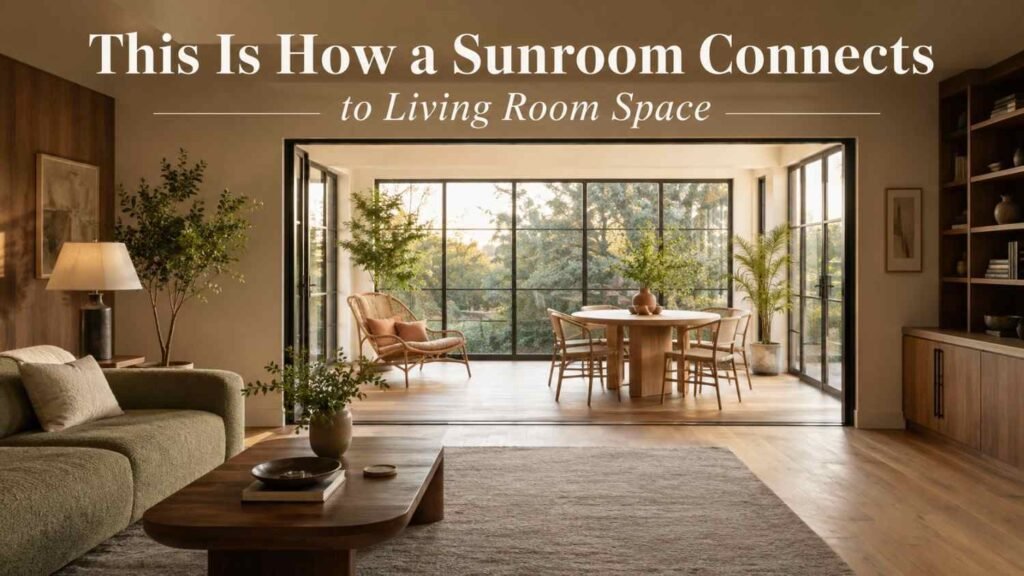
Sunroom Connects to Living Room Ideas for a Bright, Unified Home
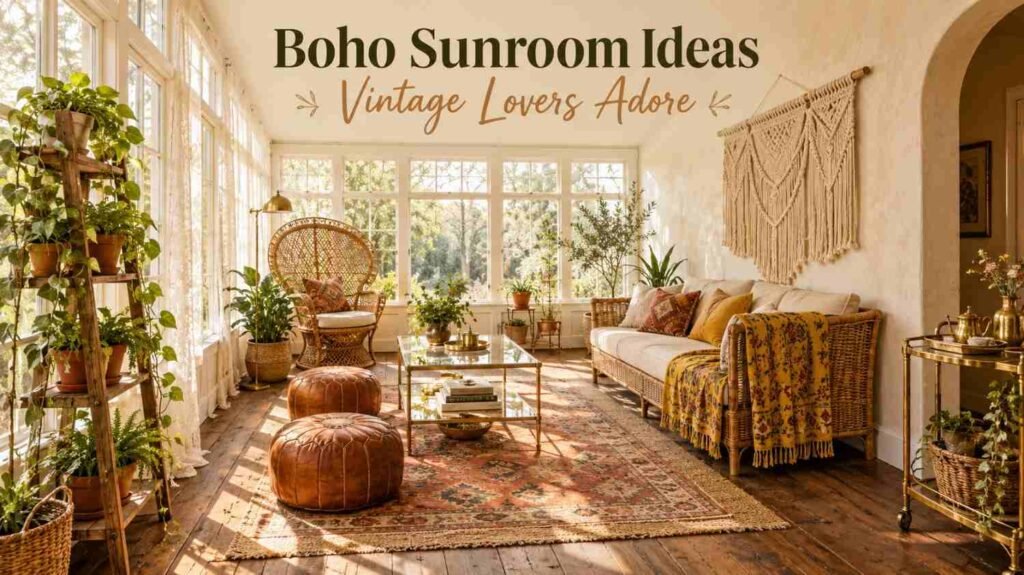
Boho Sunroom Ideas Vintage Lovers Will Adore
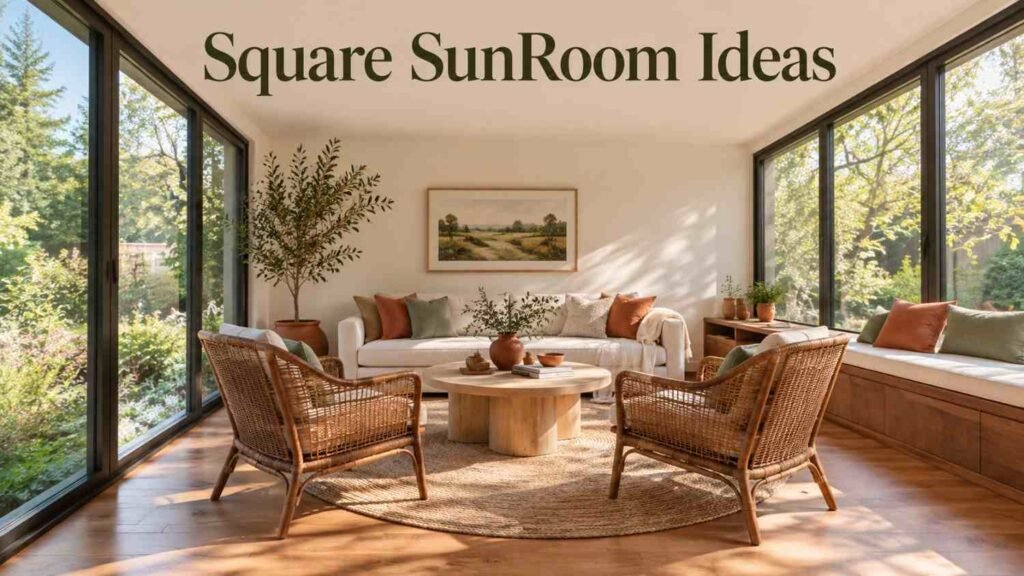
Square SunRoom Ideas to Maximize Every Corner of Your Space
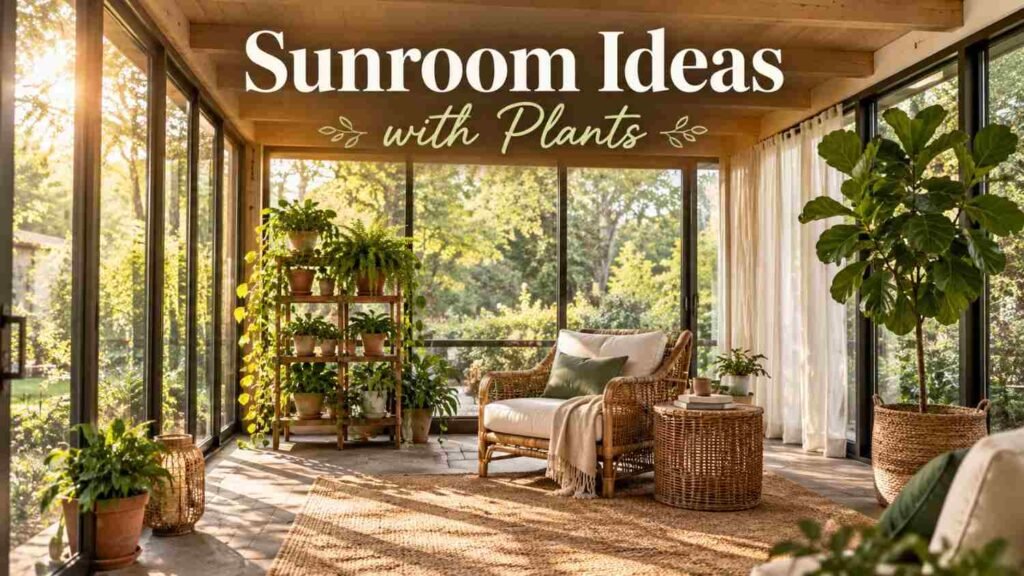
Sunroom Ideas With Plants for a Bright, Green Retreat
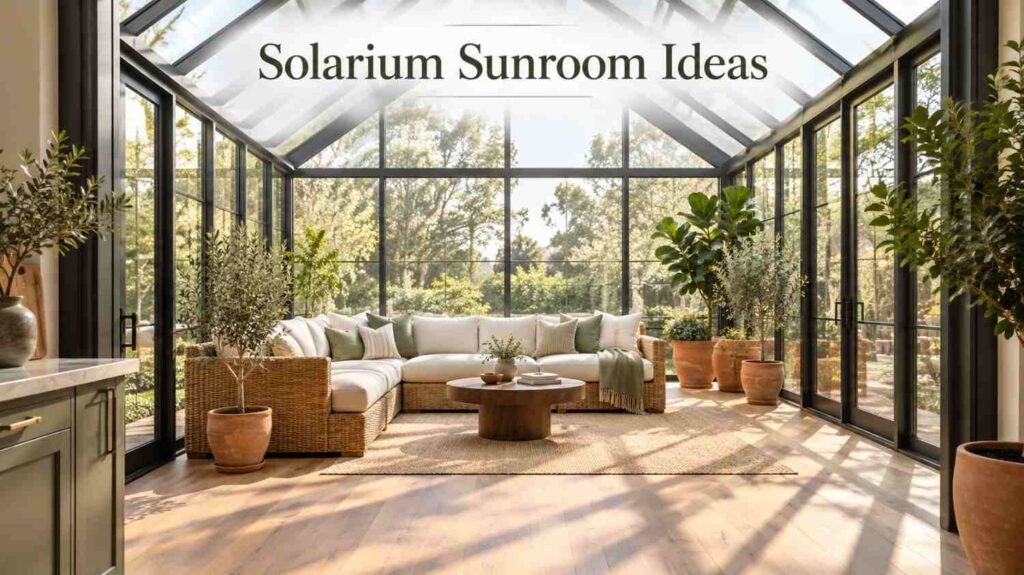
Solarium Sunroom Ideas to Brighten Your Home in 2026
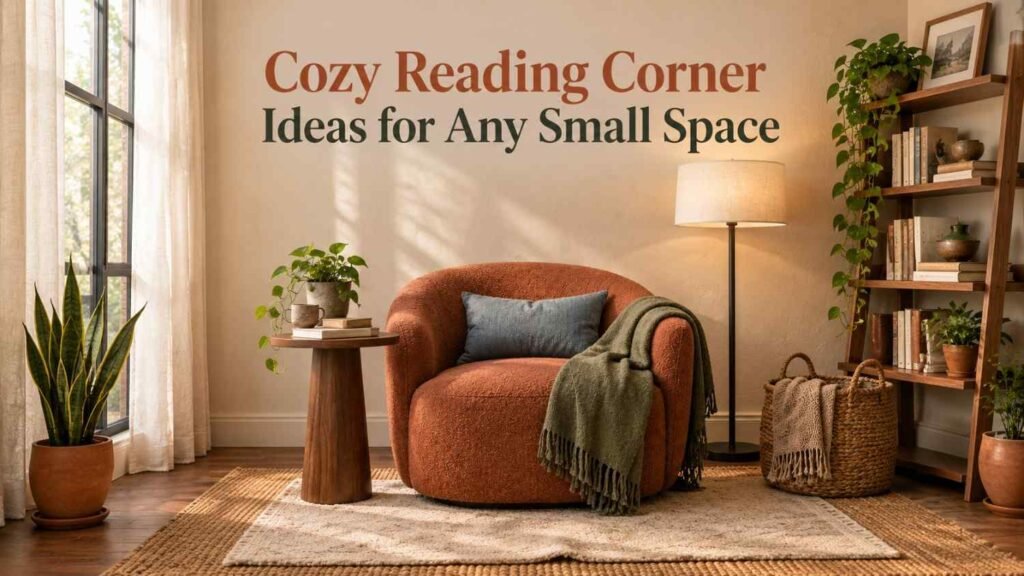
Cozy Reading Corner Ideas to Turn Any Empty Space Into a Retreat
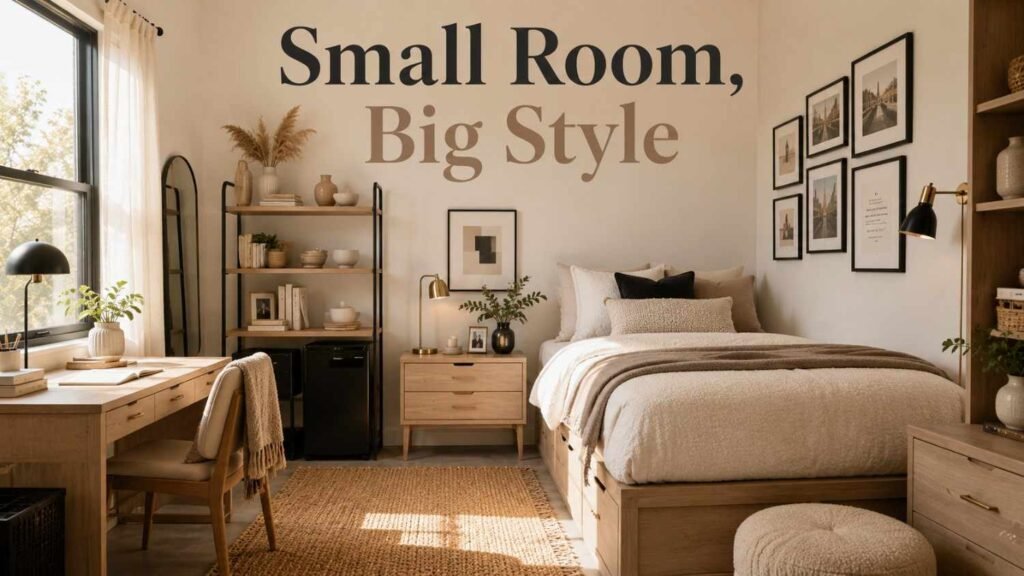
Chic Dorm Room Ideas That Turn a Tiny Space Into a Home
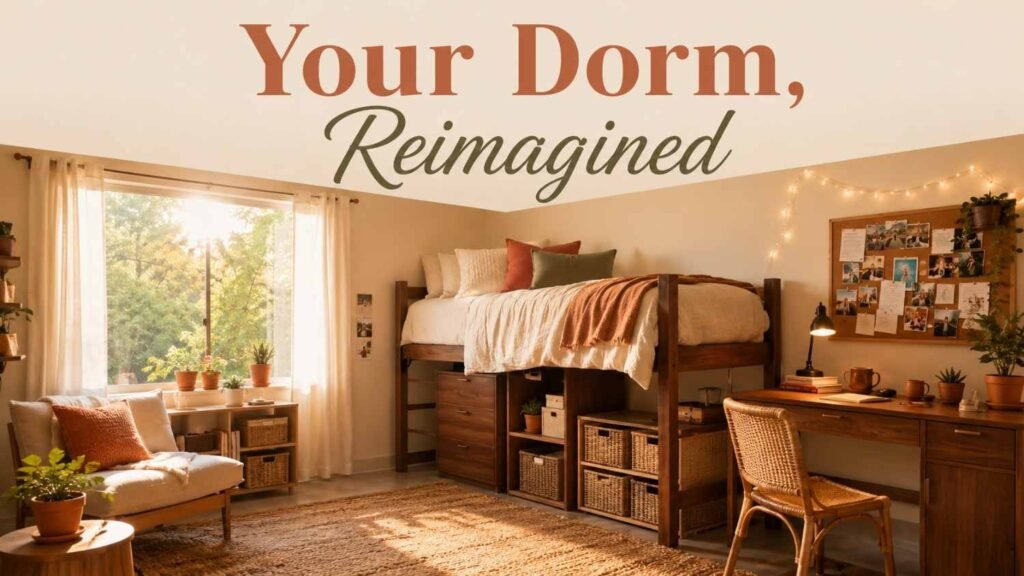
Dorm Room Ideas to Transform Your College Space in 2026

Chrome Chair Ideas to Transform Every Room in Your Home
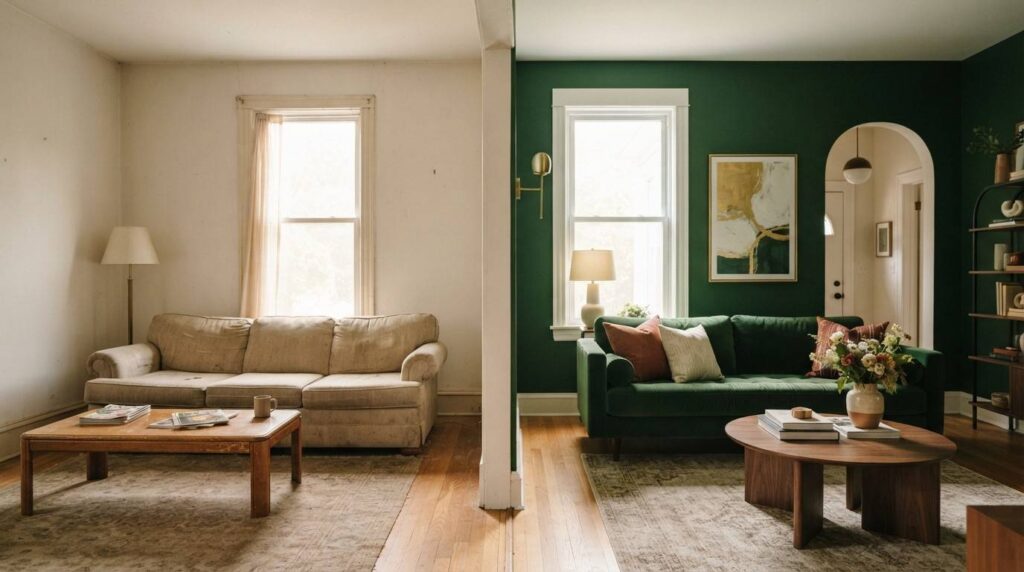
15 Room Makeover Inspiration Ideas to Transform Any Space in Your Home
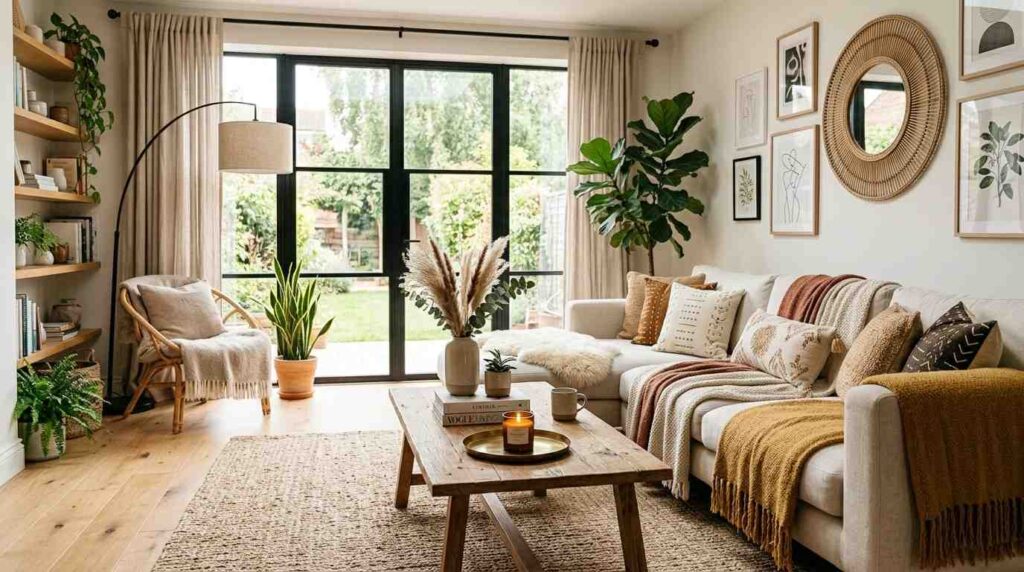
Room Aesthetics: 30+ Ultimate Guide to Designing a Space You’ll Love
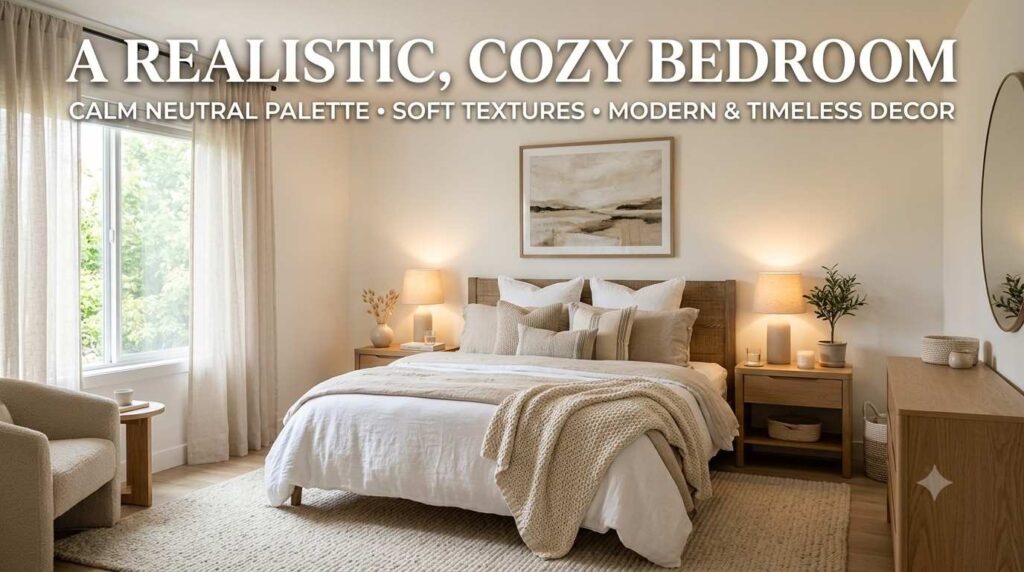
Bedroom Inspiration: Beautiful Ideas to Create a Calm, Stylish, and Personal Space
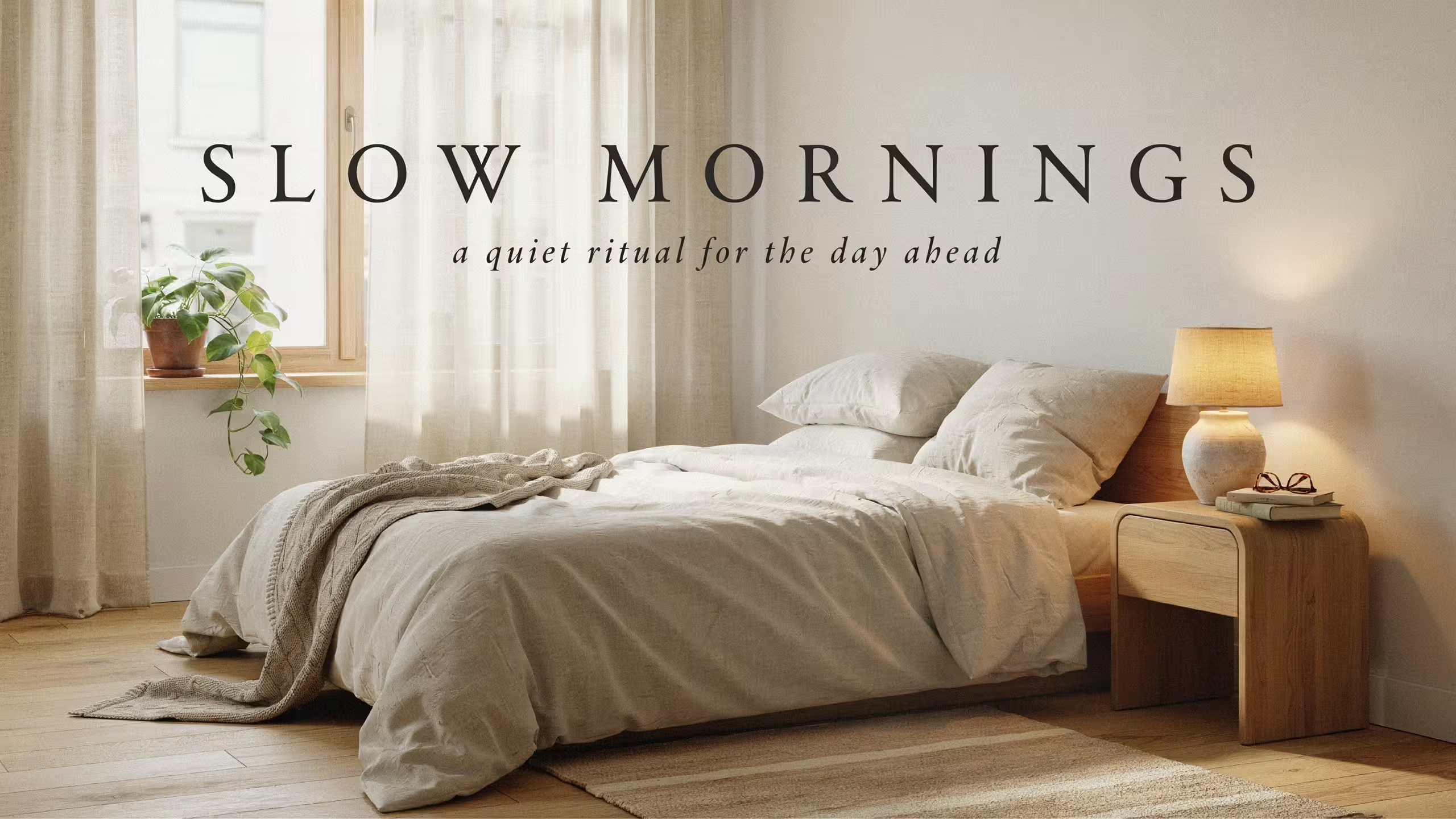
Soft Organic Bedroom Finds: Transform Your Sleep Space with Natural Comfort
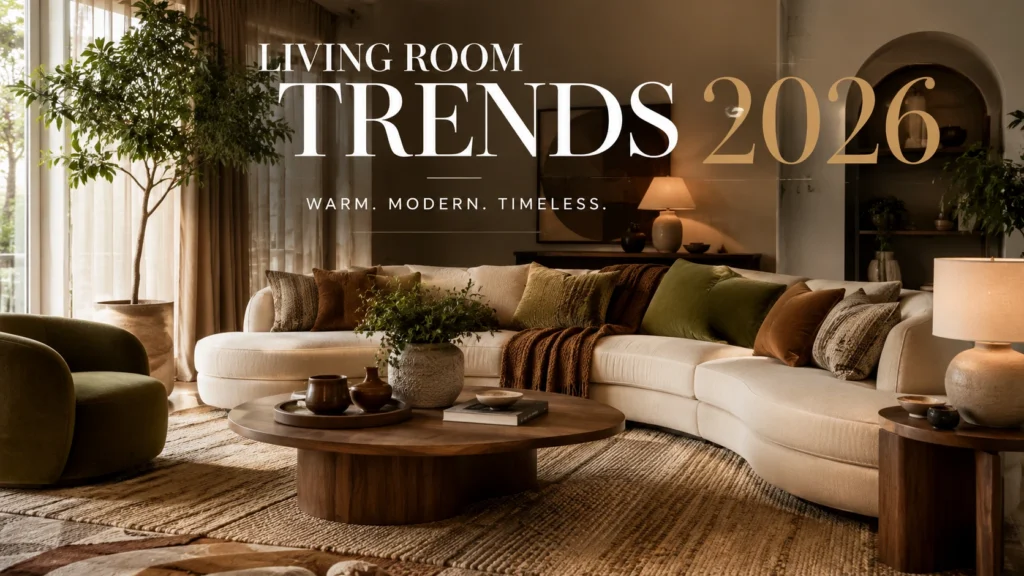
Living Room Trends 2026: Warm, Personal, and Practical Ideas for a Beautiful Home
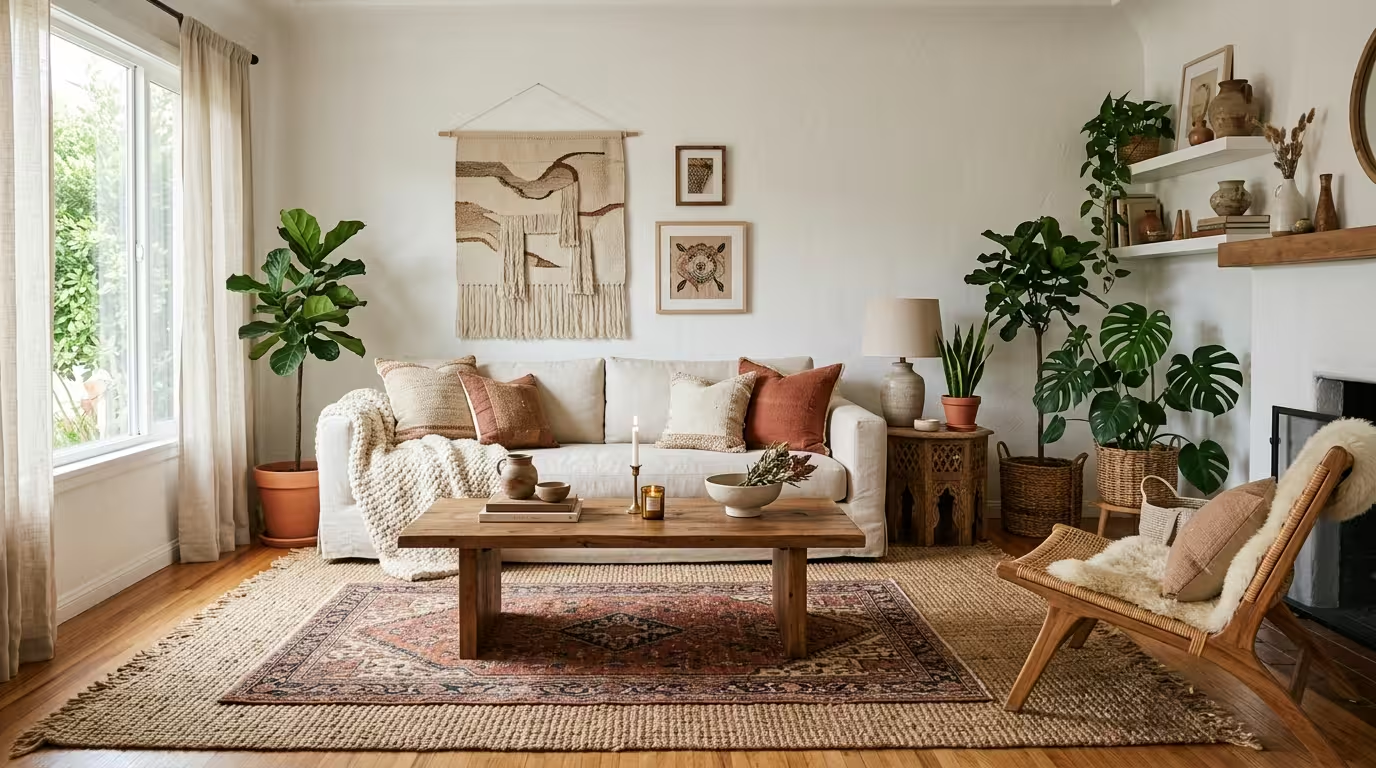
Boho Living Room Designs: A Warm, Layered Guide for a Relaxed Home
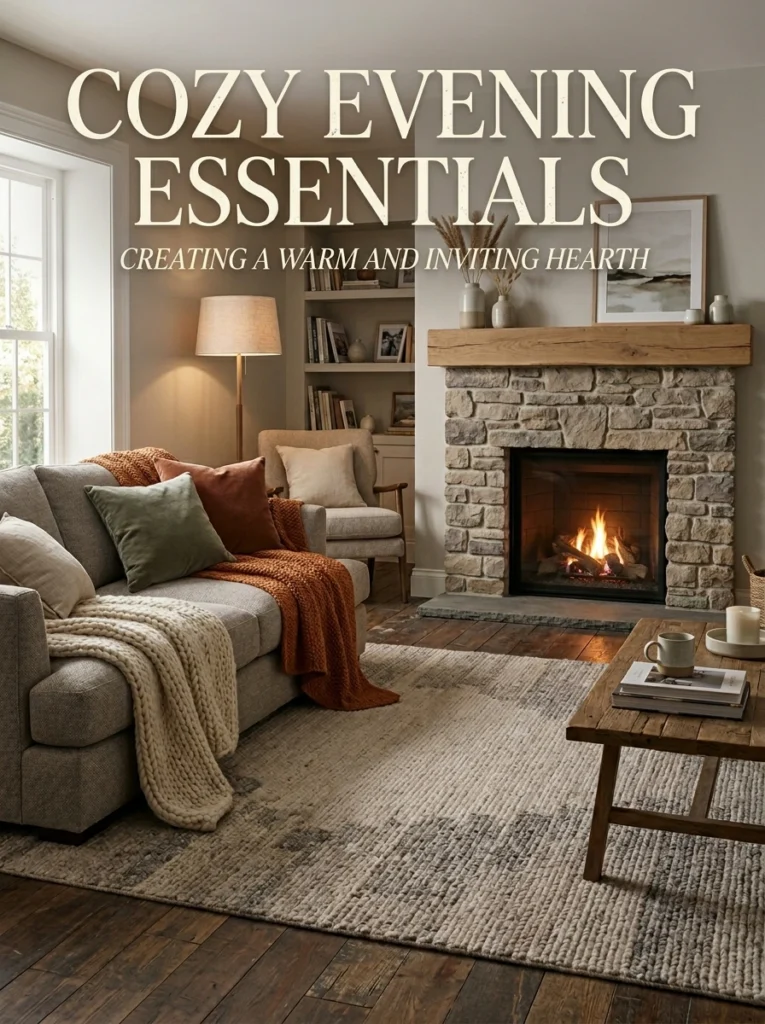
Cozy Fireplaces: Design Ideas, Safety Tips, and Warm Ways to Style Your Home
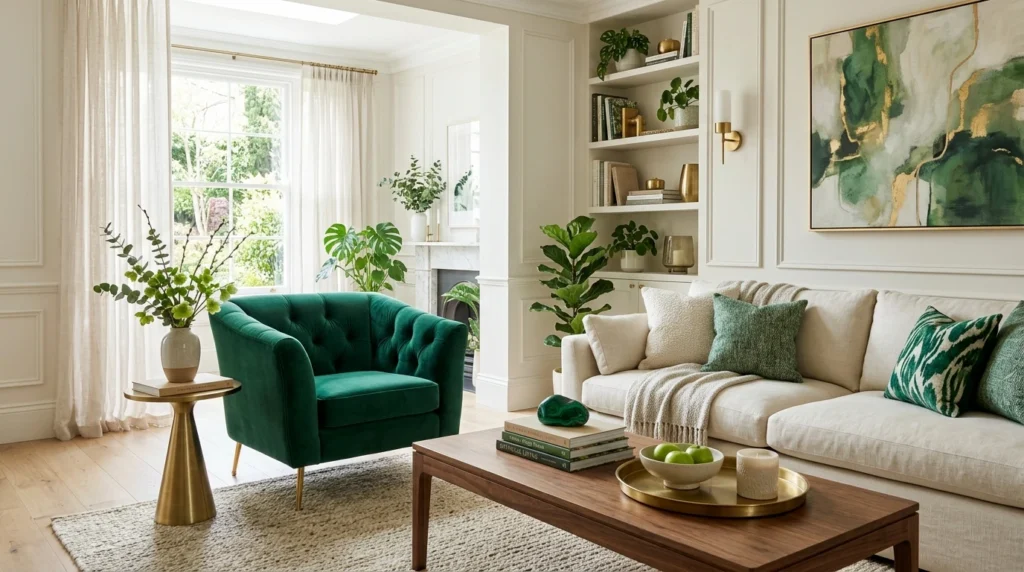
Malachite Spring Trending Color: How to Use This Rich Green at Home
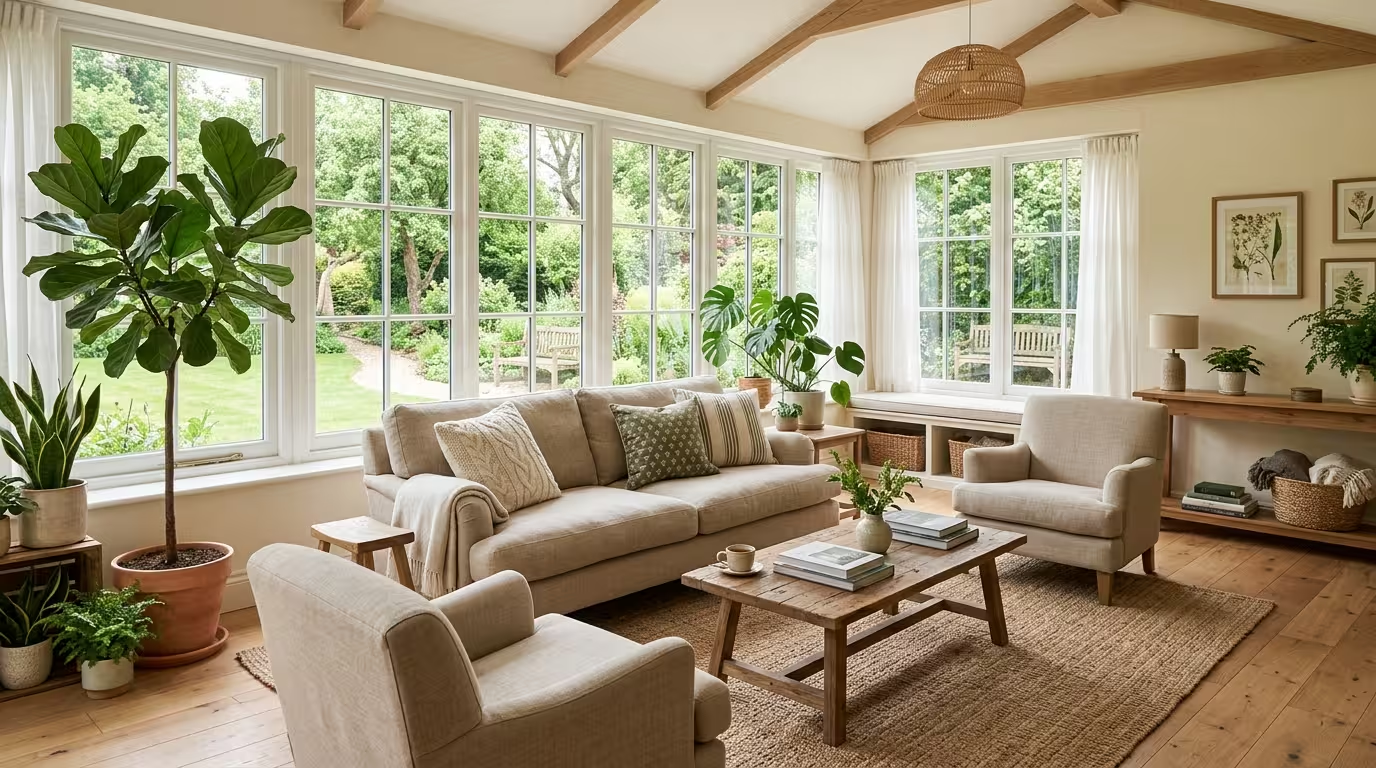
Sunroom Ideas: Practical, Beautiful Ways to Create a Brighter Room
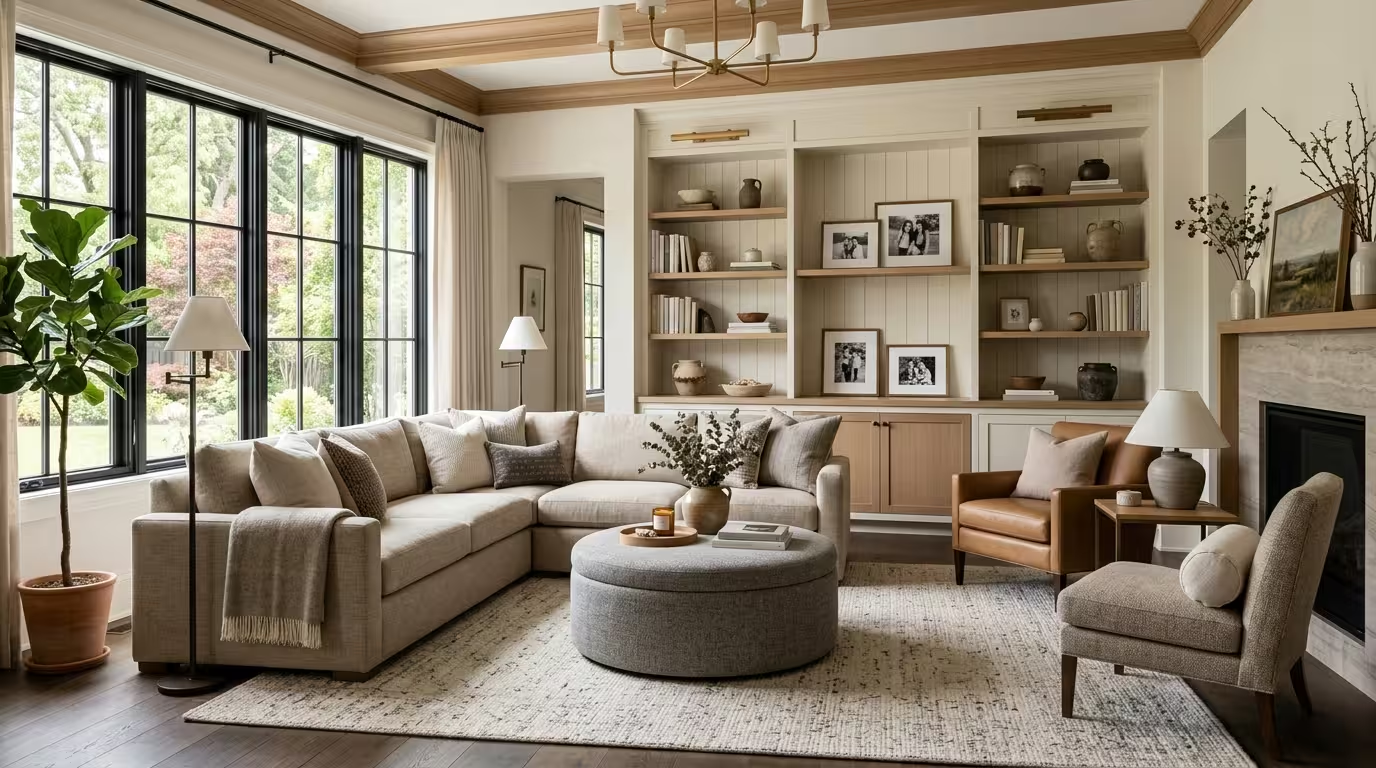
Designer Family Rooms: How to Create a Beautiful, Comfortable Space That Works for Real Life
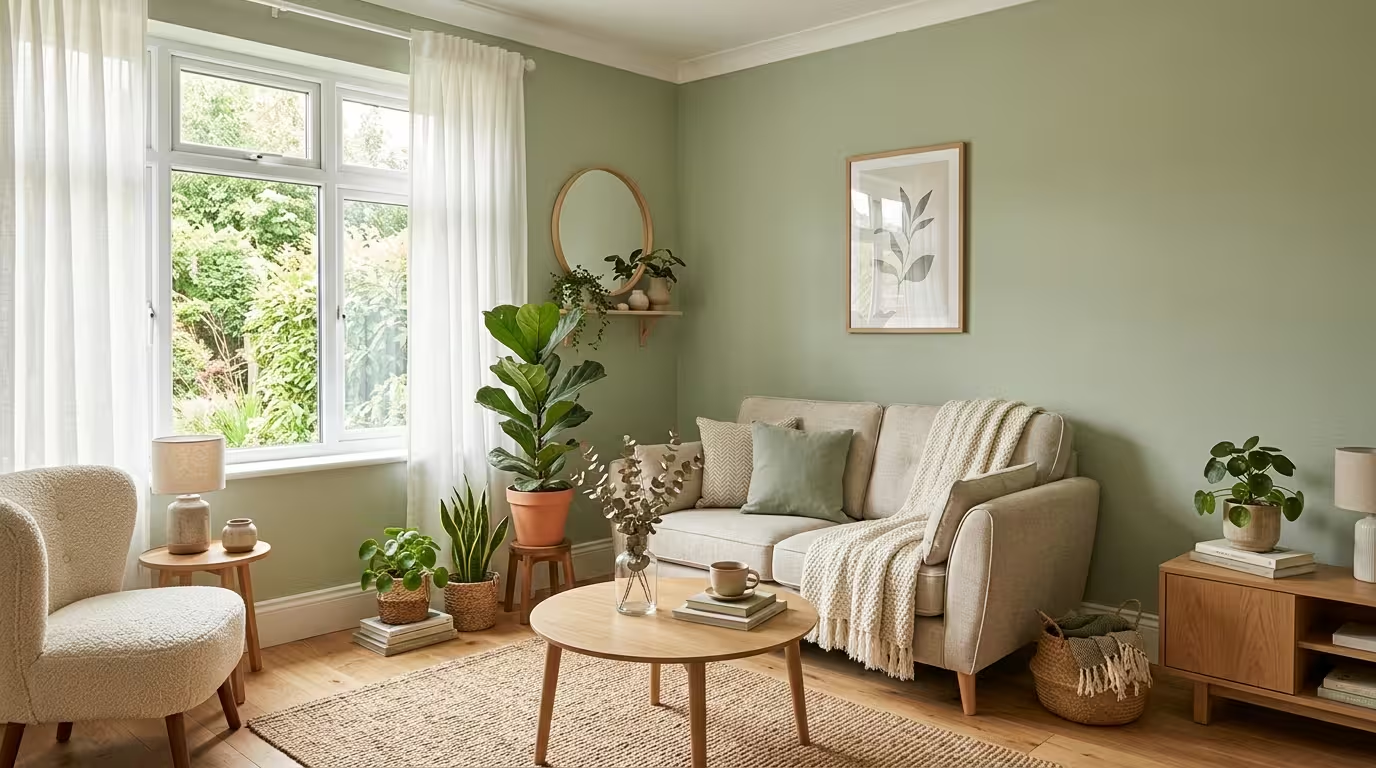
Green Paint Small Rooms: Transform Your Space with Color Magic

Atlanta Poolhouse Jova Daniels Busby Archive: The 1968 Poolside Pavilion That Still Feels Smart
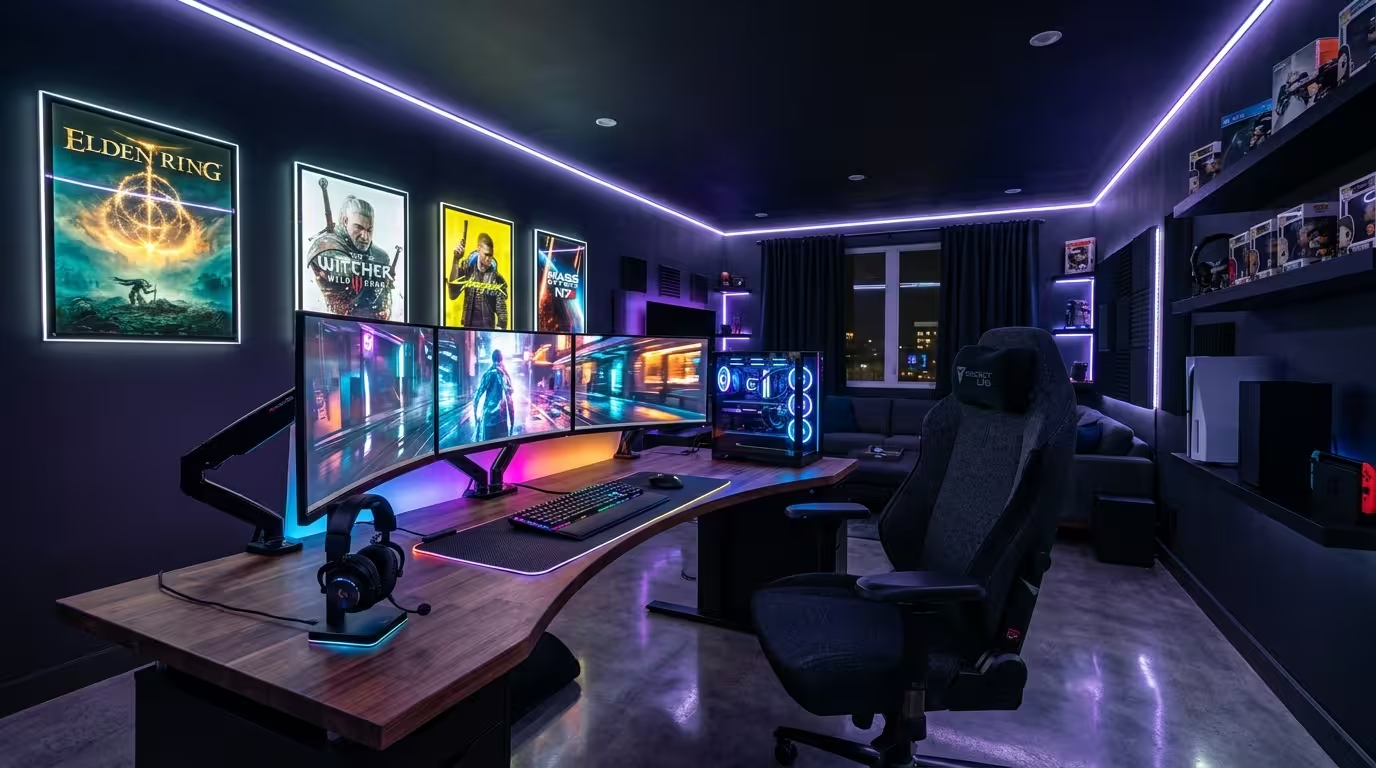
Best Game Room Ideas to Transform Any Space Into the Ultimate Entertainment Zone
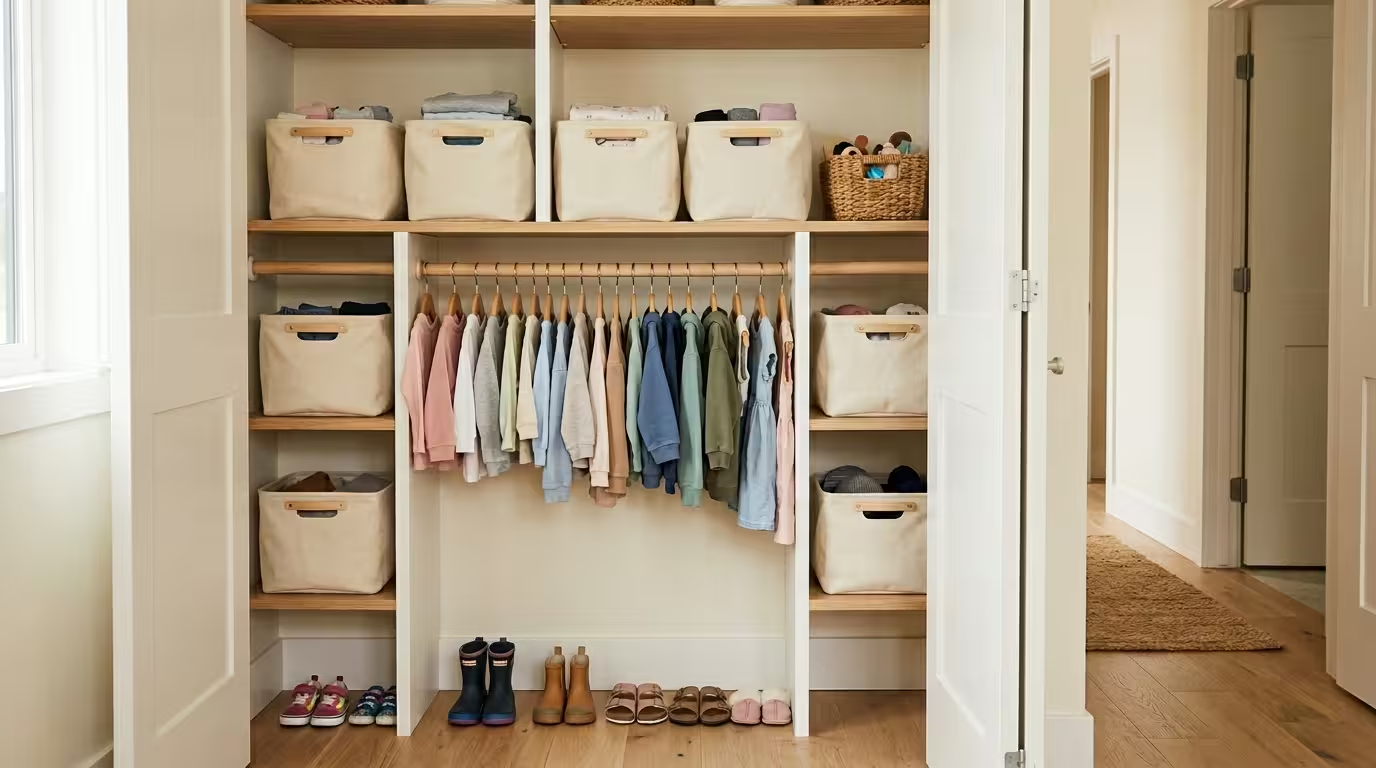
How to Organize Kid Closet: A Practical System That Actually Lasts
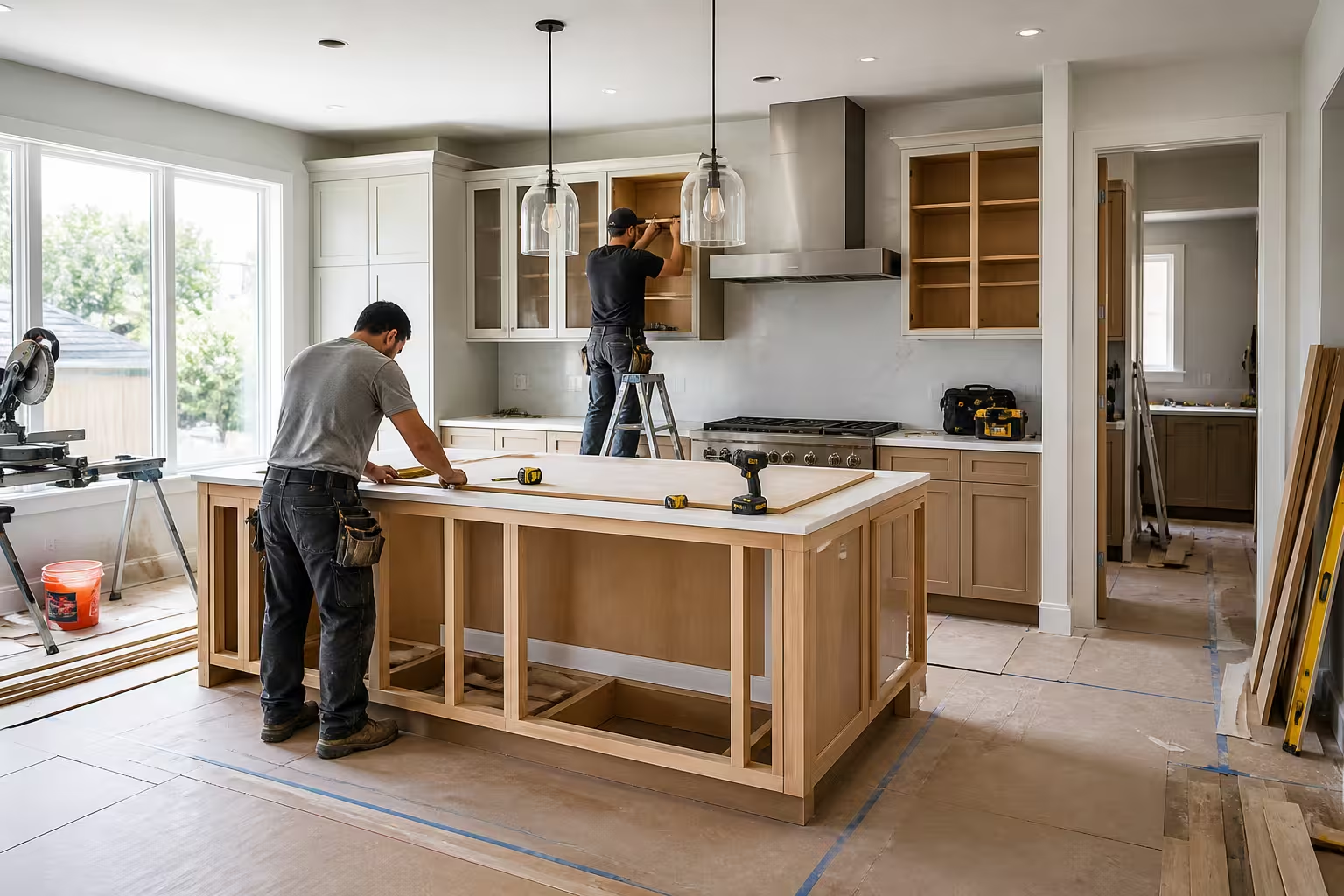
Home Remodeling Ideas 2026 for Modern Living Spaces
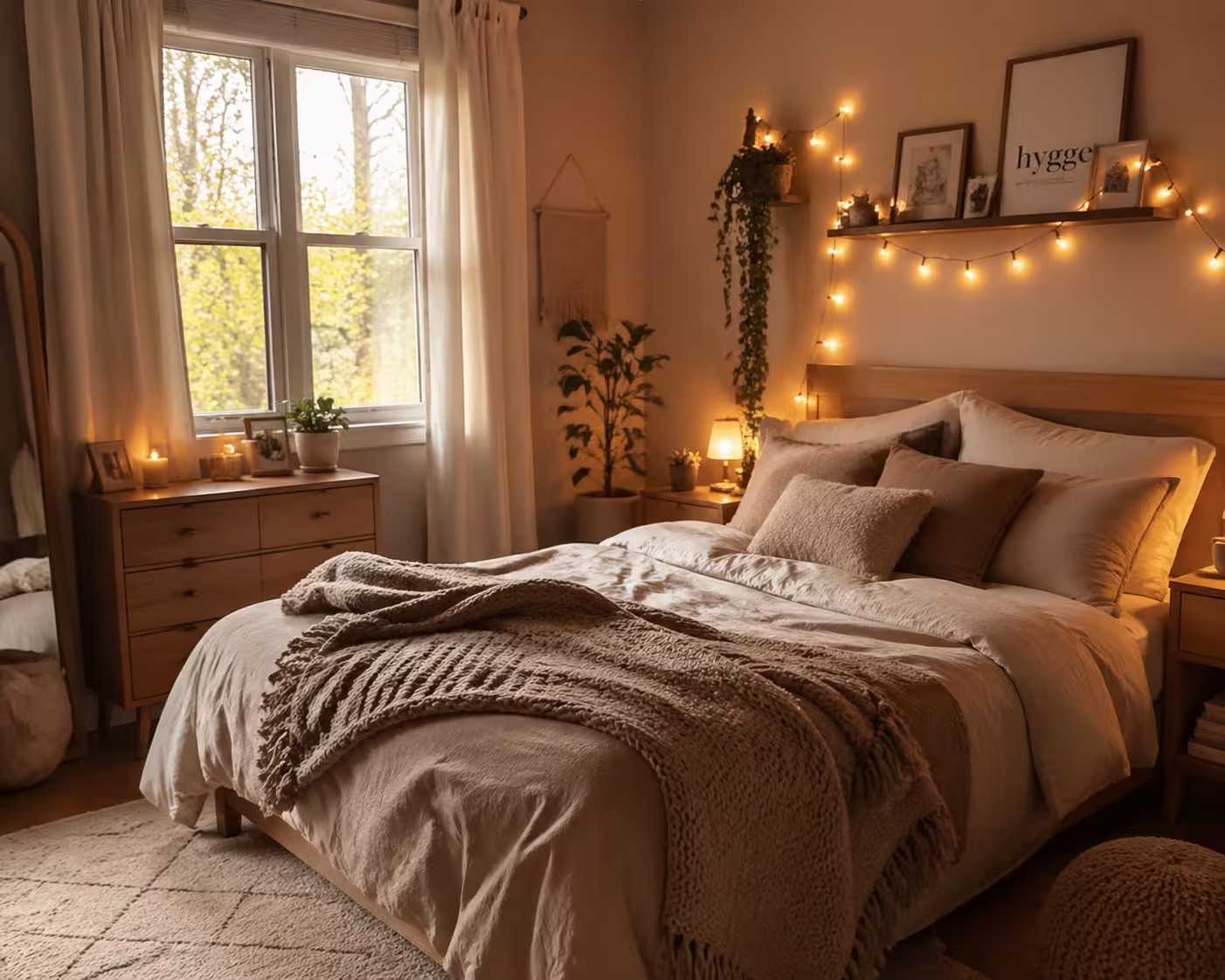
Cozy Room Ideas That Feel Warm, Soft, and Lived-In
Start Room Decorating With Function, Not Shopping
Before choosing a sofa, lamp, or wall print, decide what the room must do every day. A bedroom may need better sleep support, more hidden storage, and softer light. A living area may need conversation seating, clear walkways, and surfaces for daily use. This approach prevents expensive mistakes and helps you buy fewer, better pieces. It also makes styling easier later, because the space already has a purpose. Good room decorating begins with traffic flow, comfort, and the habits that happen in the room most often.
Build a Color Plan Before You Add Decor
Color feels emotional, but it also needs structure. One of the most repeated designer rules is the 60-30-10 approach: let one shade lead, a second support it, and a smaller accent color add energy. In smaller rooms, a tight palette often works better than too many competing tones. Warm neutrals, muted greens, dusty blues, and earthy accents continue to feel versatile because they layer well with wood, metal, linen, and soft upholstery. This keeps the room calm while still giving it depth and personality.
Use Layout and Scale to Make Room Decorating Easier
Many rooms feel awkward not because the furniture is ugly, but because it is the wrong size or arranged without enough breathing room. Designers repeatedly warn against oversized pieces in compact rooms, tiny rugs that float under furniture, and layouts that push everything against the wall. A better plan is to choose proportionate furniture, create natural pathways, and let major pieces relate to each other clearly. Even a small shift, like moving seating inward or using furniture with visible legs, can make a room feel more open and balanced.
Small-space choices that help right away
If the room is tight, use vertical storage, low-profile furniture, and pieces that do more than one job. Clear or leggy tables can reduce visual heaviness, while a narrow console or wall shelving can add function without swallowing floor area. A limited color palette also helps a compact room feel calmer. These choices do not make the room empty. They make it readable, which is often what people really mean when they say they want a space to feel bigger.
Layer Lighting to Strengthen Room Decorating
Lighting is one of the most overlooked parts of room decorating, yet it changes how every color, fabric, and finish feels. Relying only on one ceiling fixture can make a room look flat. The better approach is layered lighting: ambient light for general visibility, task light for reading or work, and accent light for warmth and dimension. Recent designer guidance also favors warmer bulbs, often around 2700K, because they make living spaces feel softer and more comfortable. A room with thoughtful lighting usually looks more finished even before the final decor goes in.
Finish With Texture, Storage, and Personal Details
The final layer is what stops a room from looking staged. Rugs, art, window treatments, books, ceramics, framed photographs, woven baskets, and soft fabrics add texture and memory to a space. This does not mean filling every corner. It means choosing details that make the room feel lived in and complete. Leading design editors consistently point to art, rugs, lighting, and personal touches as the elements that help a room feel finished. Smart storage matters here too, because clutter can erase the effect of good decorating very quickly.
Conclusion
The best room decorating is not about chasing a perfect look. It is about building a space that feels clear, comfortable, and personal. Start with purpose, choose a controlled color story, respect scale, layer the lighting, and finish with texture and meaning. When those parts work together, even a simple room can feel polished. That is usually what people notice first: not the price of the furniture, but the sense that everything belongs.