
Soft Organic Bedroom Finds: Transform Your Sleep Space with Natural Comfort

There is something deeply satisfying about walking into a bedroom that feels truly restful — not just visually calm, but physically gentle on your skin, your lungs, and your mind. More homeowners across the United States are discovering what interior designers have quietly championed for years: that the materials surrounding you while you sleep matter enormously. The growing interest in soft organic bedroom finds is not a passing trend. It reflects a genuine shift in how people think about health, comfort, and responsible living at home.
This guide walks you through everything you need to know — from certified organic bedding and natural fiber textiles to sustainably sourced furniture and non-toxic accents — so you can build a sleep sanctuary that feels as good as it looks.
Why Natural Materials Make Such a Difference in the Bedroom
Your bedroom is where your body repairs itself. On average, adults spend roughly 7 to 9 hours in their sleep environment every night — meaning the surfaces and air quality in that room have a direct impact on long-term health. Conventional bedding is frequently treated with formaldehyde-based wrinkle-resistant finishes, synthetic dyes, and pesticide-laden cotton. Over time, exposure to these substances can irritate the skin, disrupt sleep, and affect respiratory health.
Soft organic bedroom finds offer a meaningful alternative. Organic textiles are grown and processed without synthetic pesticides, herbicides, or chemical finishes. The result is fabric that breathes better, softens beautifully with washing, and sits safely against sensitive skin — including the skin of children and those prone to allergies.
Understanding Certifications: What to Look for Before You Buy
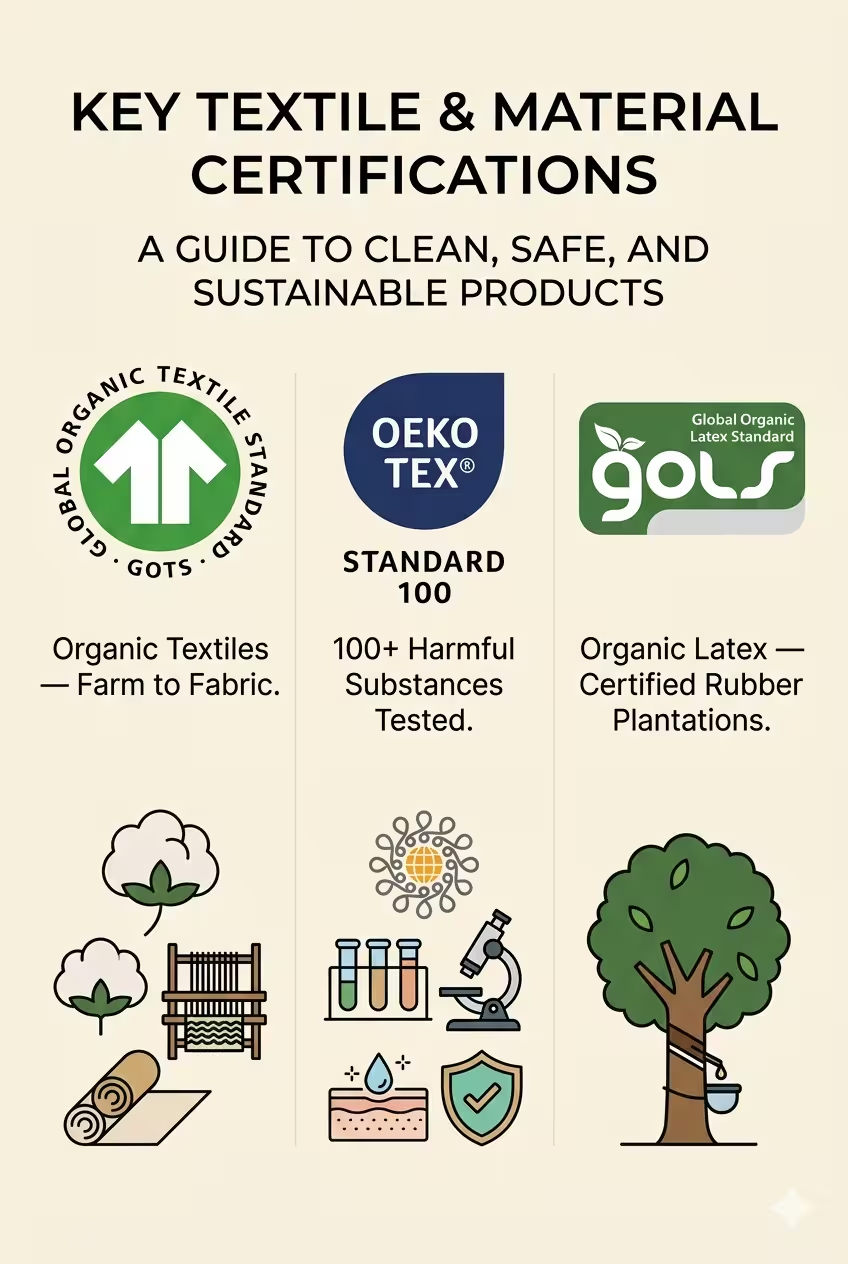
Before diving into specific product categories, it helps to know which certifications actually mean something. The market is flooded with words like “natural” and “eco-friendly,” but these terms carry no legal definition in the United States. Here is what to look for instead:
GOTS — Global Organic Textile Standard
GOTS certification is the gold standard for organic textiles worldwide. It covers the entire production chain — from the field where fibers are grown to the factory where they are sewn — ensuring no harmful chemicals are used at any stage. If a sheet set or duvet cover carries the GOTS label, you can trust it.
OEKO-TEX Standard 100
OEKO-TEX Standard 100 certifies that every component of a textile product — including threads, buttons, and dyes — has been tested for harmful substances. While it does not require organic farming practices, it guarantees that the finished product is safe to the touch and free from over 100 harmful chemicals.
GOLS — Global Organic Latex Standard
For latex pillows and mattresses, GOLS certification confirms that the latex is derived from organically managed rubber tree plantations. This is especially important if you are investing in a natural latex mattress or pillow core.
When shopping for soft organic bedroom finds, these three certifications serve as reliable filters to distinguish genuine quality from greenwashing.
The Bedding Foundation: Organic Sheets, Duvet Covers, and Pillowcases
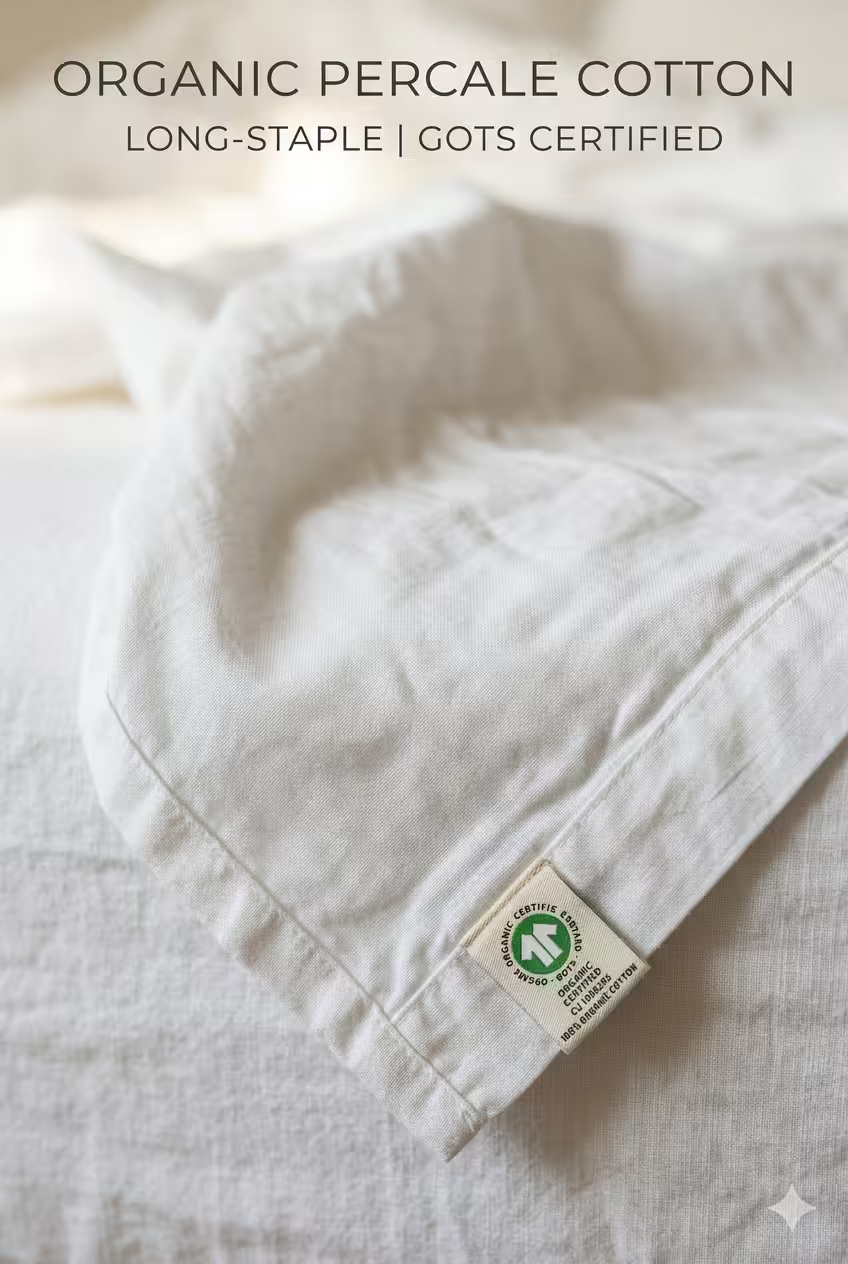
The single most impactful upgrade you can make in any bedroom is the bedding. Because it is in direct contact with your skin for hours each night, the quality and composition of your sheets genuinely affect your sleep quality and comfort.
Organic Cotton Sheets
Long-staple organic cotton — varieties like Egyptian or Pima — produces sheets with a noticeably silky hand feel that only improves after repeated washing. A thread count between 300 and 500 hits the sweet spot for breathability and durability. Brands like Avocado Green, Coyuchi, and Boll & Branch have built strong reputations for GOTS-certified cotton bedding at various price points.
When choosing organic cotton sheets, pay attention to the weave. Percale weave produces a crisp, cool finish ideal for warm sleepers, while sateen weave offers a buttery smoothness better suited to those who sleep cool. Both are widely available in certified organic options.
Linen Bedding
Organic linen — made from flax plant fibers — is one of the most breathable natural textiles in existence. It wicks moisture efficiently, regulates temperature naturally, and has an effortless, lived-in texture that grows softer with every wash. Linen is particularly popular among those building a soft organic bedroom with a coastal or Scandinavian aesthetic. Look for European flax-sourced linen, as France and Belgium maintain some of the most rigorous organic flax cultivation standards globally.
Duvet Inserts and Pillowcases
For duvet inserts, organic wool fill and natural kapok fiber are excellent alternatives to synthetic polyester. Wool regulates body temperature exceptionally well — keeping you warm in winter and cool in summer — while kapok is a lightweight, plant-based fiber with a cloud-like loft. GOTS-certified organic cotton pillowcases finish the look and maintain the chemical-free standard across the entire bed.
Pillows and Sleep Support: Natural Alternatives to Synthetic Foam
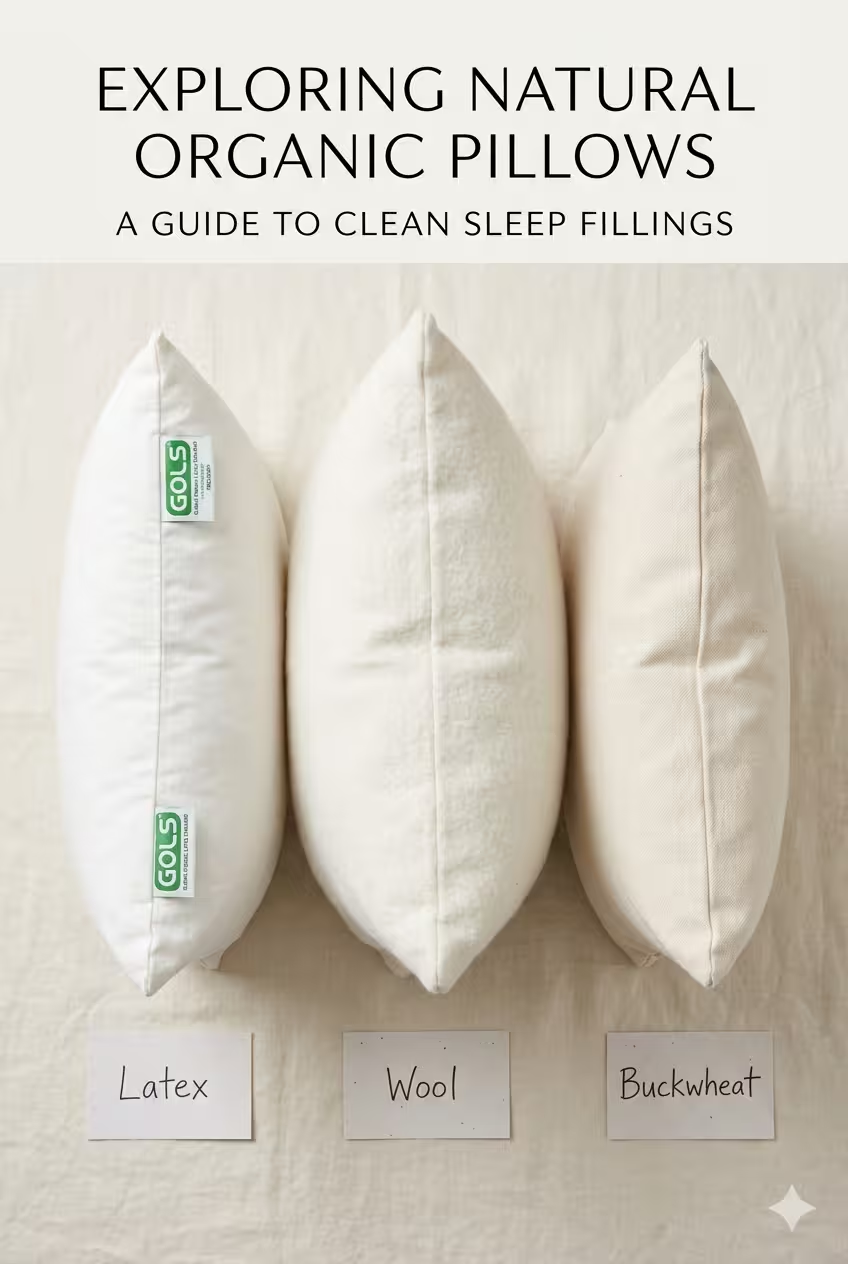
Many standard pillows are filled with polyurethane foam or polyester fiberfill — both petroleum-derived materials that off-gas volatile organic compounds (VOCs) over time. Switching to a natural fill pillow is one of the most underappreciated soft organic bedroom finds available today.
Shredded Natural Latex Pillows
Shredded natural latex provides responsive support that contours to the head and neck without the toxic off-gassing associated with memory foam. It is naturally hypoallergenic and resistant to dust mites and mold — a significant advantage for allergy sufferers. GOLS-certified shredded latex pillows are widely available from brands such as PlushBeds, Sleep On Latex, and Saatva.
Organic Wool Pillows
Organic wool pillows are naturally temperature-regulating and moisture-wicking. They tend to be firmer than latex options and are especially popular with back and stomach sleepers who prefer less loft. Look for the Woolmark certification in addition to GOTS to ensure the wool is both organic and ethically sourced.
Buckwheat Hull Pillows
Buckwheat hull pillows are a centuries-old Japanese sleep tradition gaining popularity in the United States. The hulls shift and mold to support the cervical spine precisely, and they allow air to circulate freely — eliminating the heat buildup common with foam pillows. The fill is completely natural, biodegradable, and adjustable in volume.
Throws, Blankets, and Cushions: The Layering Essentials
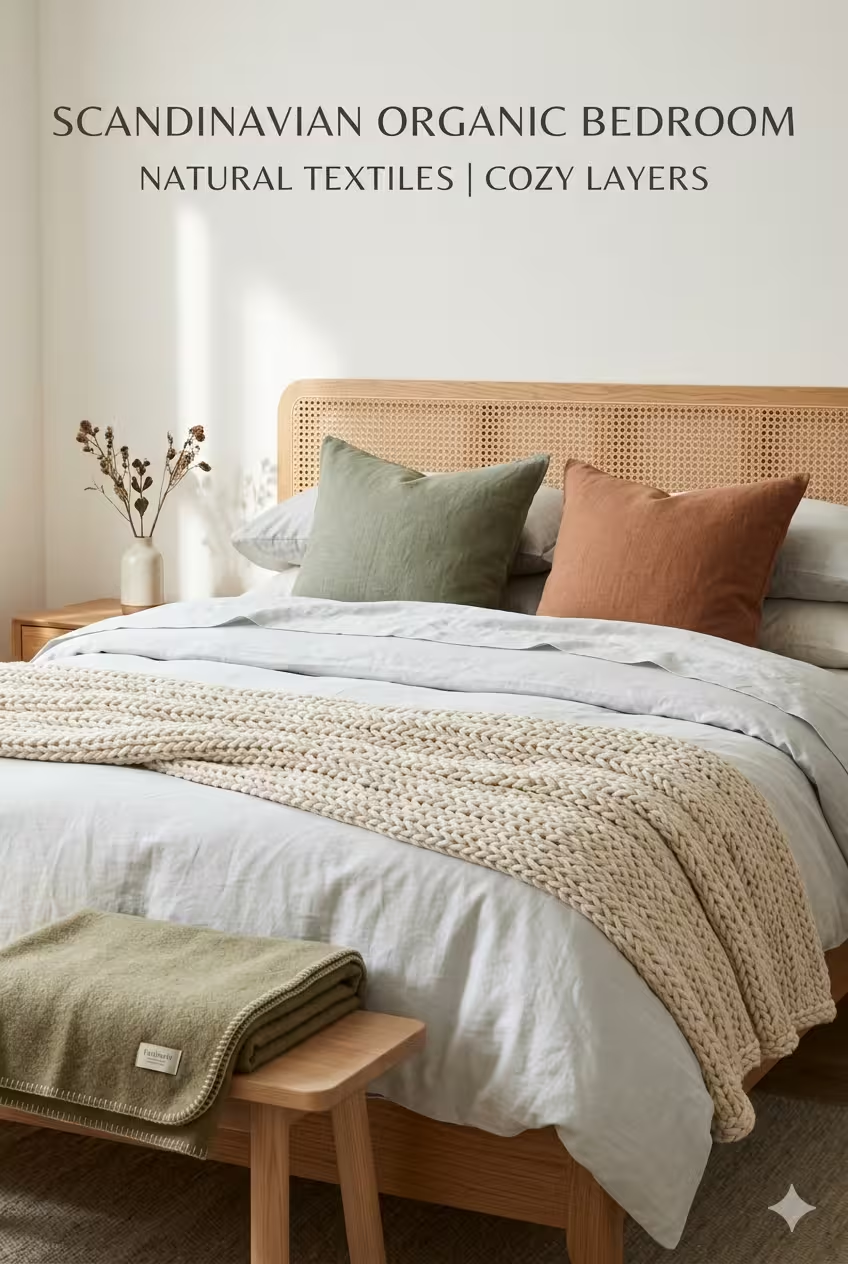
The visual softness of an organic bedroom comes largely from thoughtful layering — and the textiles you drape, stack, and arrange across your bed and seating contribute as much to the feel of the room as the sheets beneath you.
Organic Cotton and Knit Throws
A chunky knit organic cotton throw folded at the foot of the bed adds texture and warmth without overwhelming the palette. Natural, undyed cotton — sometimes called raw or greige cotton — carries a beautiful warmth that pairs well with earthy tones like terracotta, sage, warm white, and sand. These soft organic bedroom finds layer beautifully and wash without losing their structure.
Naturally Dyed Wool Blankets
Traditional wool blankets dyed with plant-based or low-impact dyes bring color into the organic bedroom without introducing synthetic chemicals. Heritage brands like Faribault Woolen Mill — founded in 1865 in Minnesota — produce American-made wool blankets with a depth and durability unmatched by synthetic alternatives.
Organic Cushion Covers
Cushion covers in organic linen, cotton canvas, or handwoven wool add dimension to a bed or reading nook. When selecting cushions as part of your soft organic bedroom finds, look for natural fill options — organic buckwheat, organic cotton batting, or kapok — rather than polyester inserts.
Furniture and Frames: Sustainable Structure for an Organic Bedroom
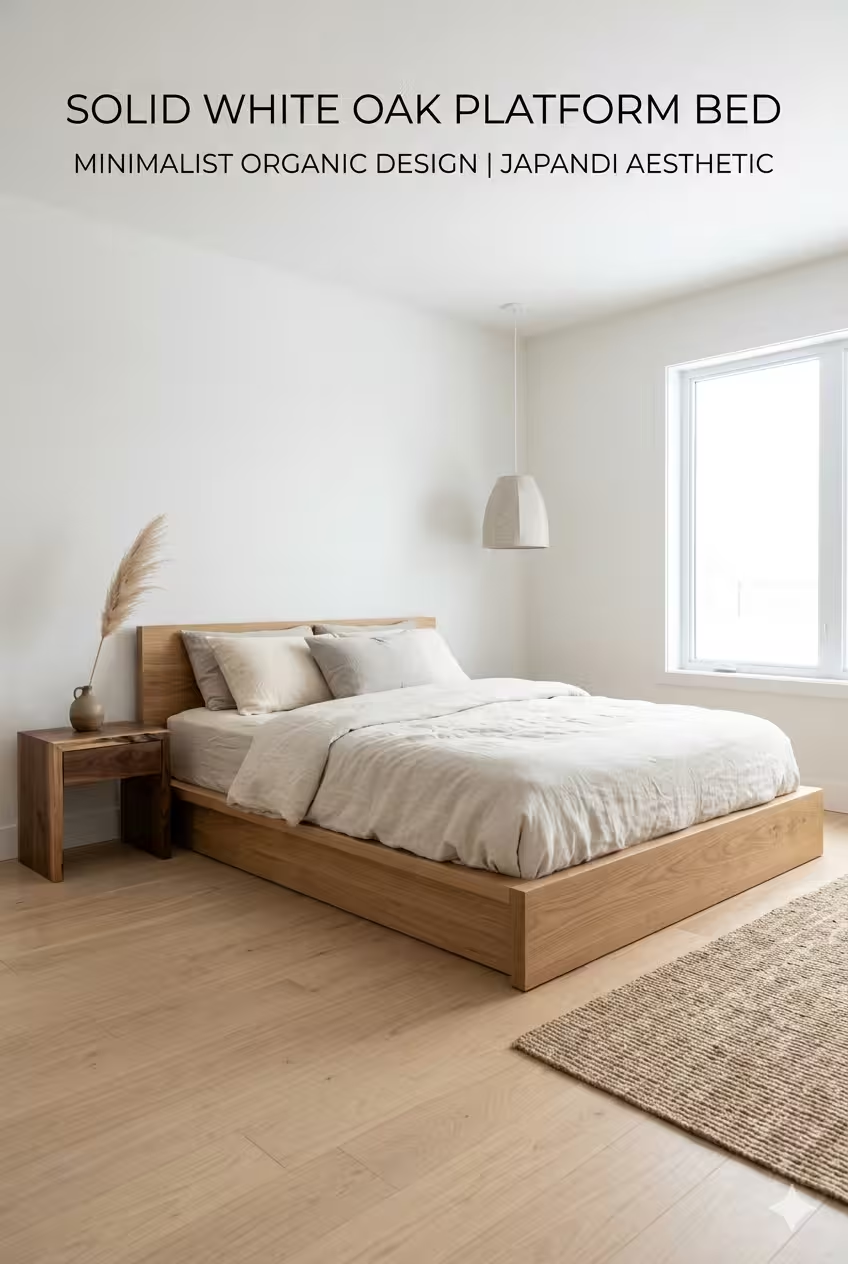
Textiles get most of the attention in the organic bedroom conversation, but the furniture that anchors your space matters too. Conventional particleboard furniture often contains formaldehyde-based adhesives that off-gas for years. Solid wood — particularly FSC-certified hardwoods like white oak, walnut, maple, and ash — is the trusted alternative.
Bed Frames
A solid wood bed frame with a simple, clean silhouette is the cornerstone of an organic bedroom aesthetic. Look for frames finished with low-VOC or natural oil finishes — linseed oil and beeswax finishes are both food-safe and free of synthetic solvents. Brands like Medley, The Joinery, and Maiden Home produce heirloom-quality solid wood bed frames built for longevity rather than replacement cycles.
Nightstands and Dressers
Live-edge wood nightstands and dressers with dovetail joinery reflect craftsmanship that honors the material. Unlike flat-pack alternatives, solid wood furniture gains character over time — small dents and patina tell the story of a life lived rather than a showroom staged for photography.
Woven Rattan and Seagrass Accents
Rattan, seagrass, and jute are fast-growing natural materials that add texture and warmth to the organic bedroom without the environmental footprint of hardwoods. A rattan headboard, a jute area rug, or a seagrass storage basket all qualify as practical soft organic bedroom finds that serve double duty — beautiful and functional.
Rugs, Flooring Covers, and Bedroom Flooring Choices
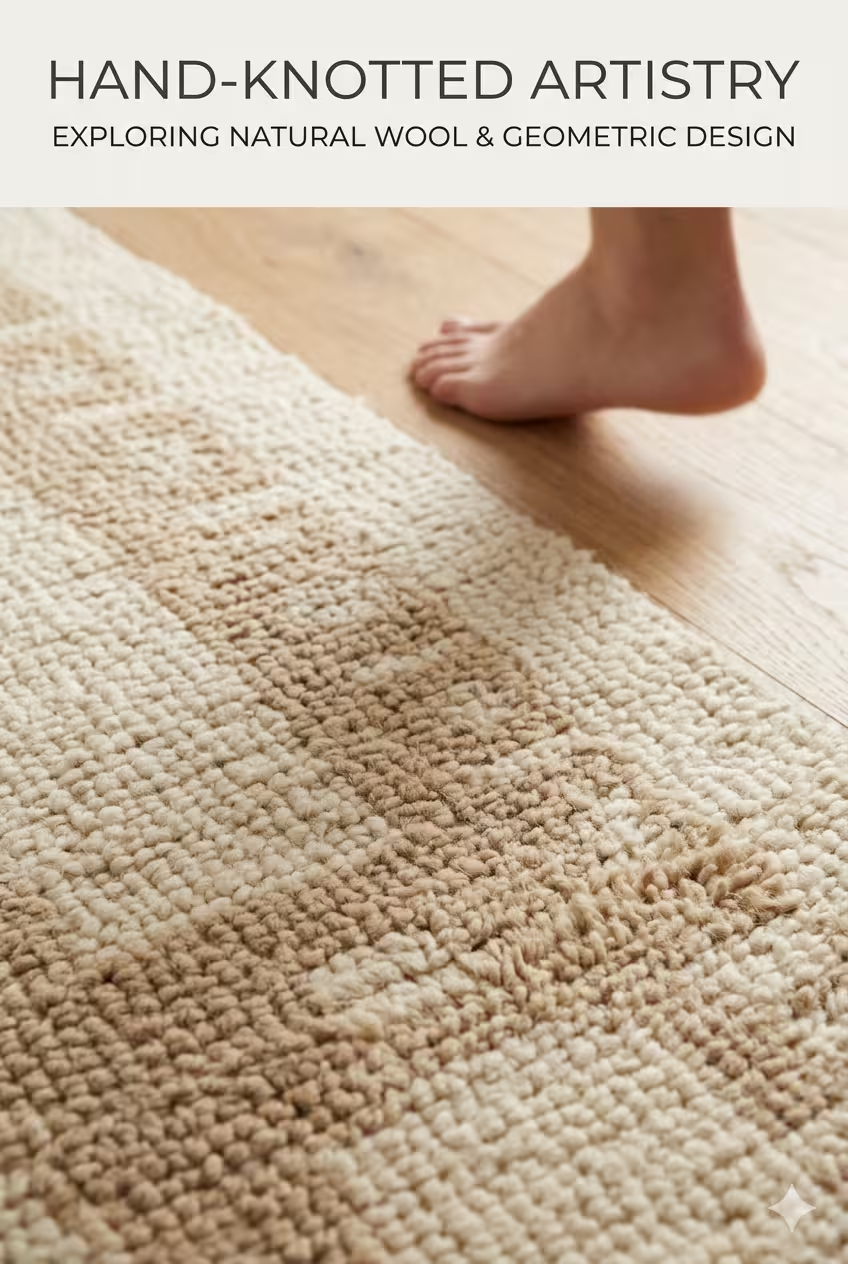
The floor is an often-overlooked element of bedroom comfort. Walking barefoot onto a cold tile or synthetic carpet is a jarring way to start the morning. Natural fiber rugs — woven from wool, jute, sisal, or cotton — create a grounding warmth underfoot and avoid the microplastic shedding associated with synthetic carpets.
Hand-knotted wool rugs are among the most enduring soft organic bedroom finds you can invest in. A well-made wool rug will outlast most furniture in the room and improve in appearance over decades. For a lighter-touch option, flat-weave cotton dhurries or Moroccan-style beni ourain-inspired wool rugs add pattern and texture at accessible price points.
Lighting and Scent: Completing the Sensory Experience
The final layer of an organic bedroom is the atmosphere — the quality of light and scent that greet you when you step through the door.
Warm-Toned Lighting
Warm white LED bulbs in the 2700K–3000K color temperature range mimic the gentle glow of candlelight, supporting the body’s natural melatonin production in the evening. Rice paper pendant shades, linen drum shades, and ceramic table lamps all filter light beautifully while complementing natural materials throughout the room.
Natural Wax Candles and Diffusers
Soy wax or beeswax candles scented with pure essential oils — rather than synthetic fragrance — contribute to the sensory calm of an organic bedroom without releasing the soot and chemicals associated with paraffin wax. Reed diffusers filled with carrier oils and pure essential oils like lavender, cedarwood, and bergamot are another long-lasting option.
How to Style Soft Organic Bedroom Finds Without Starting Over
You do not need to gut your bedroom and start fresh. The most effective approach is additive — introducing soft organic bedroom finds gradually, beginning with the textiles closest to your body and working outward.
Start with your pillow covers and sheet set. These have the most direct impact on sleep quality and are among the most affordable upgrades. Then move to a throw blanket and cushion covers, followed by a natural fiber rug. Over time, replace synthetic furniture pieces with solid wood alternatives as budget allows. The room will evolve naturally without requiring a single dramatic overhaul.
If you are also updating adjoining spaces, explore the latest living room trends 2026 to carry your organic aesthetic beyond the bedroom seamlessly, creating a cohesive home narrative rather than a series of disconnected rooms.
For whole-home inspiration executed with an expert eye, the team at Designer Family Rooms offers beautifully realized spaces that balance warmth with sustainability — useful reference material when you are ready to expand your natural design vision.
And for a carefully curated selection of natural home pieces that complement an organic bedroom, browse outinteriors, where quality and craft guide every product listed.
Caring for Your Organic Bedroom Textiles
Organic textiles reward gentle care. Wash organic cotton and linen sheets in cold water on a gentle cycle using a plant-based, fragrance-free detergent — conventional detergents often contain synthetic surfactants and brighteners that degrade organic fibers over time and reintroduce chemicals into the fabric. Line drying or tumble drying on low preserves fiber integrity and reduces energy use.
Wool blankets and pillows should be aired out regularly and spot-cleaned rather than machine-washed unless the care label specifically allows it. For deeper cleaning, a cold wool wash cycle with a wool-safe detergent works well. Store wool pieces in breathable cotton bags rather than plastic during warmer months to protect against moths while allowing airflow.
Natural latex pillows should never be machine-washed or dried at high heat, as this degrades the latex structure. Spot clean with mild soap and allow to air dry completely before returning to a pillowcase.
Budget Guide: Soft Organic Bedroom Finds at Every Price Point
One of the most common misconceptions about organic bedroom products is that they are exclusively a luxury purchase. While premium soft organic bedroom finds certainly exist at the higher end of the market, there are genuinely excellent options at accessible price points.
|
Category |
Entry-Level |
Mid-Range |
Premium |
|---|---|---|---|
|
Organic sheet set (Queen) |
$80–$130 |
$150–$250 |
$280–$450 |
|
Natural latex pillow |
$50–$80 |
$90–$140 |
$160–$220 |
|
Organic wool throw |
$60–$100 |
$120–$200 |
$230–$400 |
|
Solid wood nightstand |
$150–$250 |
$280–$500 |
$550–$1,200 |
|
Natural fiber rug (5×8) |
$80–$150 |
$200–$450 |
$500–$2,000+ |
Prioritizing certifications over brand names often reveals well-made options at lower prices — small domestic producers and co-ops frequently offer GOTS-certified textiles at prices competitive with mass-market retailers.
Conclusion:
Building a bedroom around soft organic bedroom finds is one of the most meaningful investments you can make in your daily quality of life. Every hour spent in a room composed of natural, breathable, non-toxic materials is an hour your body spends in a healthier, more restorative environment. From GOTS-certified organic cotton sheets and natural latex pillows to solid wood bed frames and hand-knotted wool rugs, each choice compounds over time — both in terms of the physical comfort you feel and the environmental footprint you leave.
The shift does not need to be immediate or expensive. Start with one piece. Notice how it feels. Then keep going. A bedroom built on natural materials is not a destination — it is a practice of choosing quality over convenience, longevity over disposability, and care over convenience. And it shows, night after night, in the quality of your rest.
Frequently Asked Questions:
Q1: Are soft organic bedroom finds actually better for sensitive skin?
Yes. Organic textiles are grown and processed without synthetic pesticides or chemical finishes, which are common triggers for skin irritation, eczema, and contact dermatitis. GOTS-certified organic cotton, in particular, has been widely recommended by dermatologists for people with sensitive or reactive skin.
Q2: How do I know if an organic bedroom product is genuinely certified?
Look for verifiable third-party certifications — specifically GOTS, OEKO-TEX Standard 100, or GOLS for latex. Legitimate certifications can be verified directly on the certifying body’s website using the brand’s name or license number. Marketing language like “all-natural” or “eco-friendly” without a certification number is not independently verified.
Q3: Is organic linen or organic cotton better for hot sleepers?
Both are excellent choices for warm sleepers, but organic linen has a slight edge. Linen is hollow-core at the fiber level, meaning it moves air and moisture away from the body more efficiently than cotton. It also softens considerably over time, making it a long-term investment that improves with age.
Q4: Can I mix organic and non-organic pieces in the same bedroom?
Absolutely. There is no purity requirement for an organic-inspired bedroom. Most people begin with bedding — the category with the most direct skin contact — and expand over time. Mixing certified organic textiles with natural-material furniture and consciously chosen décor produces a room that feels grounded and authentic without requiring every single item to carry a certification label.
Q5: Do organic cotton sheets shrink in the wash?
Pre-washed organic cotton sheets shrink minimally — typically between 3% and 5% on the first wash if they have not been pre-shrunk during manufacturing. Many certified brands pre-wash their fabric before sewing, which reduces or eliminates shrinkage. Always check the care label and wash in cold water to preserve sizing.
Q6: What is the most affordable way to start adding soft organic bedroom finds to my space?
Organic cotton pillowcases are typically the most affordable entry point — a pair can be found for under $30 from reputable OEKO-TEX or GOTS-certified brands. They immediately change the texture of your sleep experience and make an excellent first step before investing in a full sheet set.
Q7: Are natural latex pillows safe for people with latex allergies?
Natural latex pillows can trigger reactions in individuals with a diagnosed latex allergy (Type I hypersensitivity). If you have a known latex allergy, opt for organic wool, buckwheat hull, or organic kapok pillows instead. These provide natural support and temperature regulation without latex protein exposure.