Bedroom Inspiration: Beautiful Ideas to Create a Calm, Stylish, and Personal Space
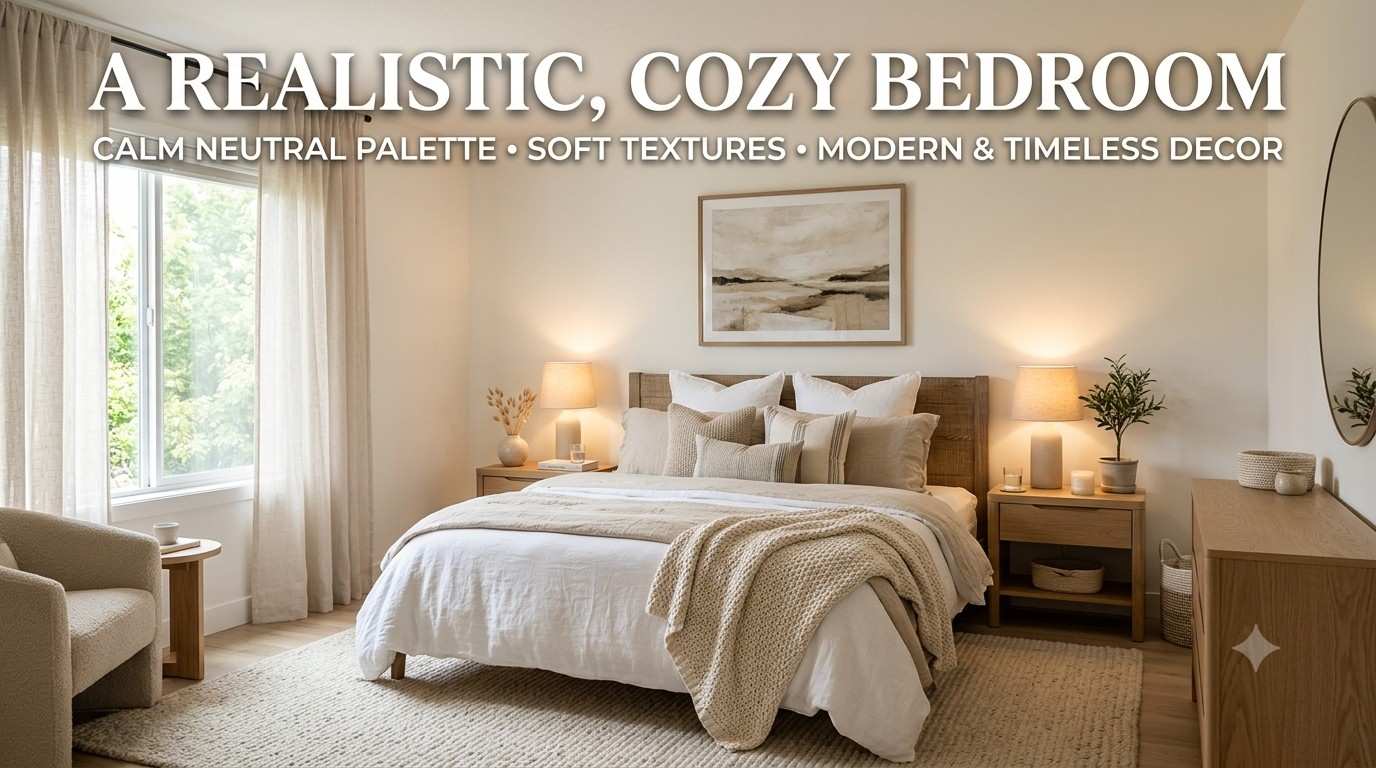
A beautiful bedroom does more than look good in photos. It helps you slow down, sleep better, get dressed with ease, and feel at home at the beginning and end of each day. The best bedroom inspiration starts with real life: your room size, your habits, your storage needs, your natural light, and the mood you want to feel when you walk in.
Today’s most inviting bedrooms are not cold showrooms. They are warm, layered, and personal. A well-designed bedroom can include soft bedding, thoughtful lighting, calming colors, practical storage, and a few meaningful details that tell your story. Whether you love a modern retreat, a cozy cottage feel, a hotel-style suite, or a small bedroom that works harder, the right choices can transform the room without a full renovation.
Why Bedroom Inspiration Should Start With Comfort
Many people begin decorating with a color they like or a bed frame they saw online. That is fine, but comfort should come first. A bedroom has to support rest before it supports style. When a room feels crowded, harshly lit, or visually busy, it can be difficult to relax even if every item is beautiful on its own.
Start by asking how you want the room to feel. Calm, warm, airy, romantic, minimal, collected, fresh, or moody are all valid answers. This emotional direction helps you choose colors, fabrics, lighting, and furniture with more confidence. Bedroom inspiration becomes much more useful when it is connected to a feeling instead of a random collection of attractive images.
Bedroom Inspiration for Choosing the Right Color Palette
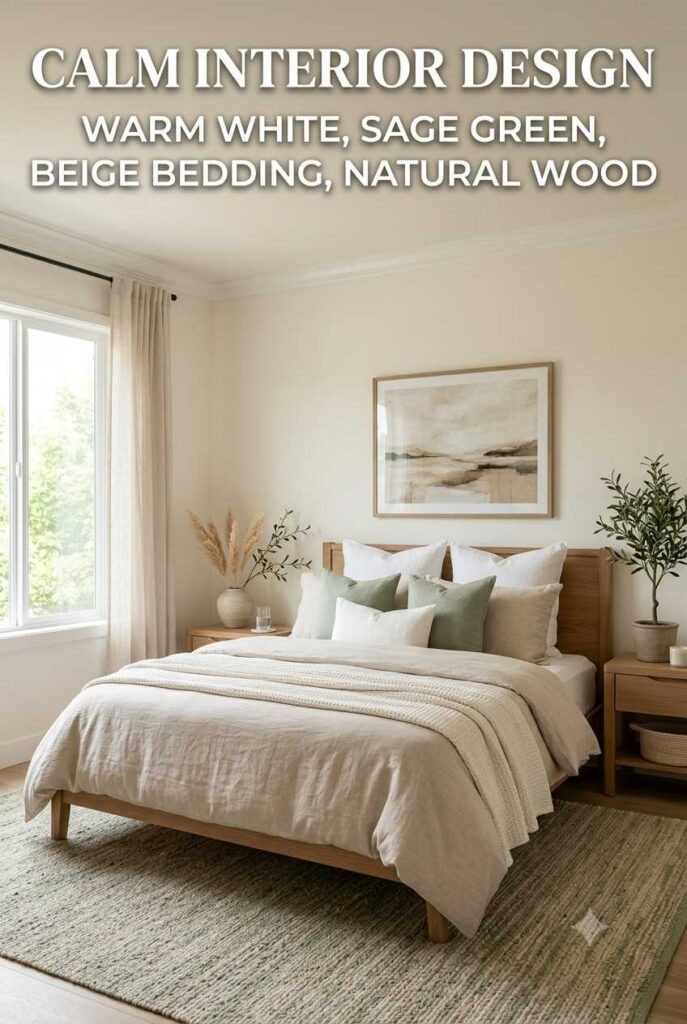
Color has a powerful effect on the bedroom atmosphere. Soft neutrals, warm whites, greige, muted green, dusty blue, mushroom, clay, cream, and pale taupe are popular for creating a restful foundation. These shades work well in many American homes because they adapt to different lighting conditions and furniture finishes.
Darker colors can also feel peaceful when used with care. Deep olive, navy, chocolate brown, charcoal, oxblood, and muted plum can create a cocoon-like effect, especially in rooms with good lighting and layered textiles. The secret is balance. If the walls are dark, choose lighter bedding, warm lamps, natural wood, or reflective accents to keep the room from feeling heavy.
Use Tone-on-Tone Layers
A tone-on-tone palette uses several shades from the same color family. For example, a beige bedroom may include ivory walls, oatmeal linen, camel wood, and warm brass. A green bedroom may combine sage walls, olive pillows, eucalyptus art, and cream bedding. This creates depth without making the room feel loud.
This approach is especially helpful for people who want a calm room but do not want plain white walls. Tone-on-tone styling makes the space look intentional. It also allows texture to stand out, which is important in bedrooms where softness matters more than bold contrast.
Start With the Bed as the Main Feature
The bed is usually the largest piece in the room, so it should guide the design. A tall upholstered headboard gives a soft and elegant look. A wood bed frame brings warmth and structure. A metal bed can feel vintage, farmhouse, or classic depending on the finish. A simple platform bed works beautifully in modern, minimalist rooms.
Bedroom inspiration often looks polished because the bed is styled with clear layers. A fitted sheet, flat sheet, duvet or quilt, sleeping pillows, and a small number of decorative pillows are usually enough. Too many pillows can make the room feel fussy. A long lumbar pillow, two shams, or one textured throw can add style without creating daily clutter.
Choose Bedding That Feels Good Every Day
Bedding should feel comfortable before it looks decorative. Cotton percale feels crisp and cool. Sateen feels smoother and slightly heavier. Linen has a relaxed texture and becomes softer over time. Flannel works well in colder regions, while lightweight quilts are useful in warmer climates or during summer.
A good bedding formula is simple: breathable sheets, a comfortable blanket, a duvet or quilt suited to the season, and one accent layer at the foot of the bed. This gives the room a finished look while staying practical. The goal is not to copy a hotel exactly, but to create a bed that feels inviting every night.
Bedroom Inspiration for Small Rooms
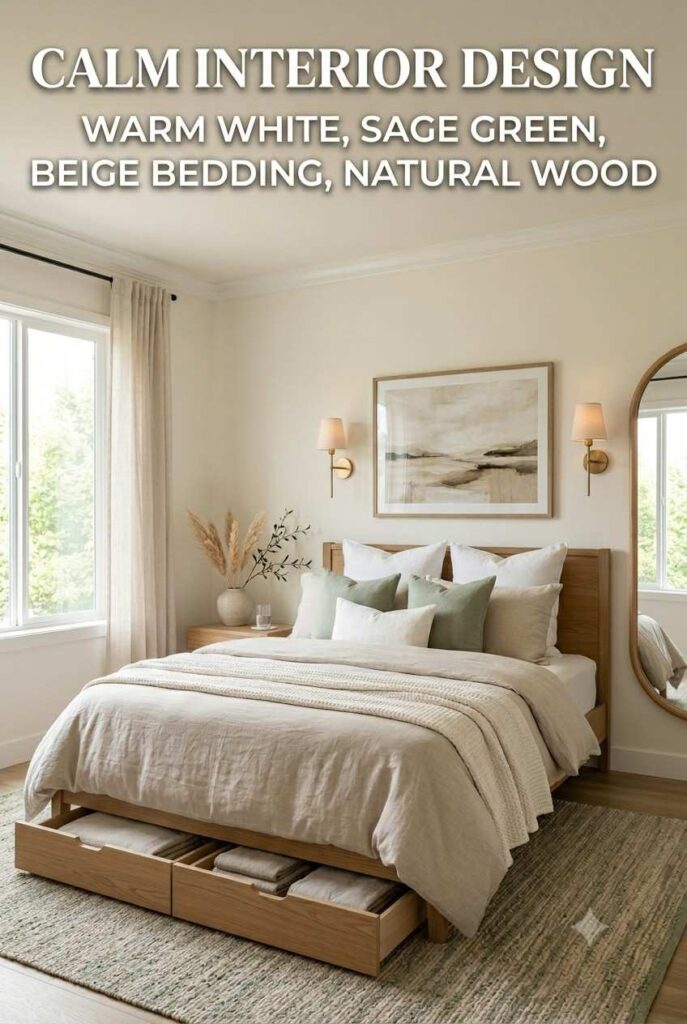
Small bedrooms need careful planning, but they do not need to feel plain. The biggest mistake is filling the room with furniture that is too large. A queen bed may work better than a king, narrow nightstands may be smarter than bulky tables, and wall-mounted lights can free up surface space.
Use vertical space whenever possible. Tall curtains, high shelves, slim bookcases, vertical artwork, and a taller headboard can draw the eye upward. This makes the room feel more open. A mirror placed near or across from a window can reflect natural light and make the room feel brighter.
Keep the Floor Visually Open
Furniture with visible legs can make a compact room feel lighter because more floor is visible. A floating nightstand, raised dresser, or slim bench can help the space breathe. Avoid blocking pathways around the bed. Even a small walkway can make the bedroom feel easier to use.
Storage should be planned carefully. Under-bed drawers, baskets, closet organizers, and beds with built-in storage can reduce clutter. The less visual mess you have, the larger the room feels. Bedroom inspiration for small spaces should always include storage ideas, not just color and decor.
For a softer rustic room with warm wood, quilts, and vintage accents, explore our full guide to farmhouse style.
Lighting Is the Secret to a Better Bedroom
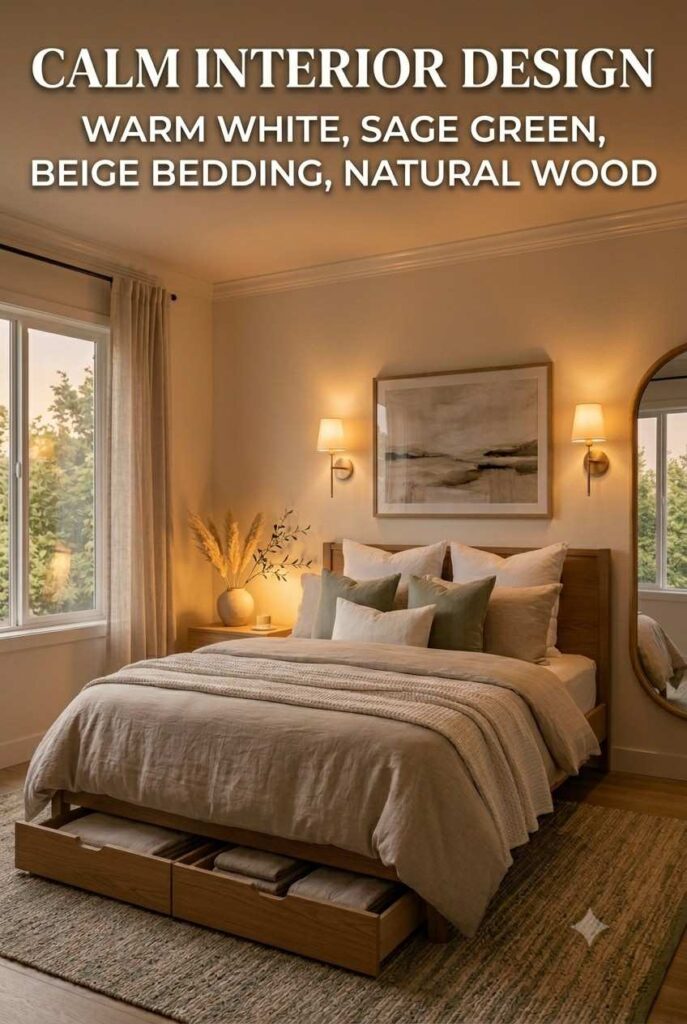
Lighting can change the entire feeling of a bedroom. A single ceiling light is rarely enough. A comfortable room needs layers: general lighting, bedside lighting, task lighting, and soft mood lighting. Lamps, wall sconces, dimmers, shaded bulbs, and small accent lights make the room more flexible.
Use warm light in the bedroom rather than harsh white light. Warm lighting feels softer in the evening and works better with wood, fabric, and muted colors. If you read in bed, choose focused bedside lights that do not disturb the whole room. If you dress in the bedroom, make sure the closet or dresser area is bright enough to be useful.
Consider Wall Sconces
Wall sconces are helpful in both small and large bedrooms. They save nightstand space and create a clean look beside the bed. Plug-in sconces are a renter-friendly option because they often require less installation work than hardwired fixtures.
Sconces also add symmetry when you want a balanced room. But they do not have to match perfectly. One side of the bed may have a sconce, and the other may have a table lamp if the room is shared by people with different needs. A bedroom should support real routines, not just a perfect photograph.
Add Texture Before Adding More Decor
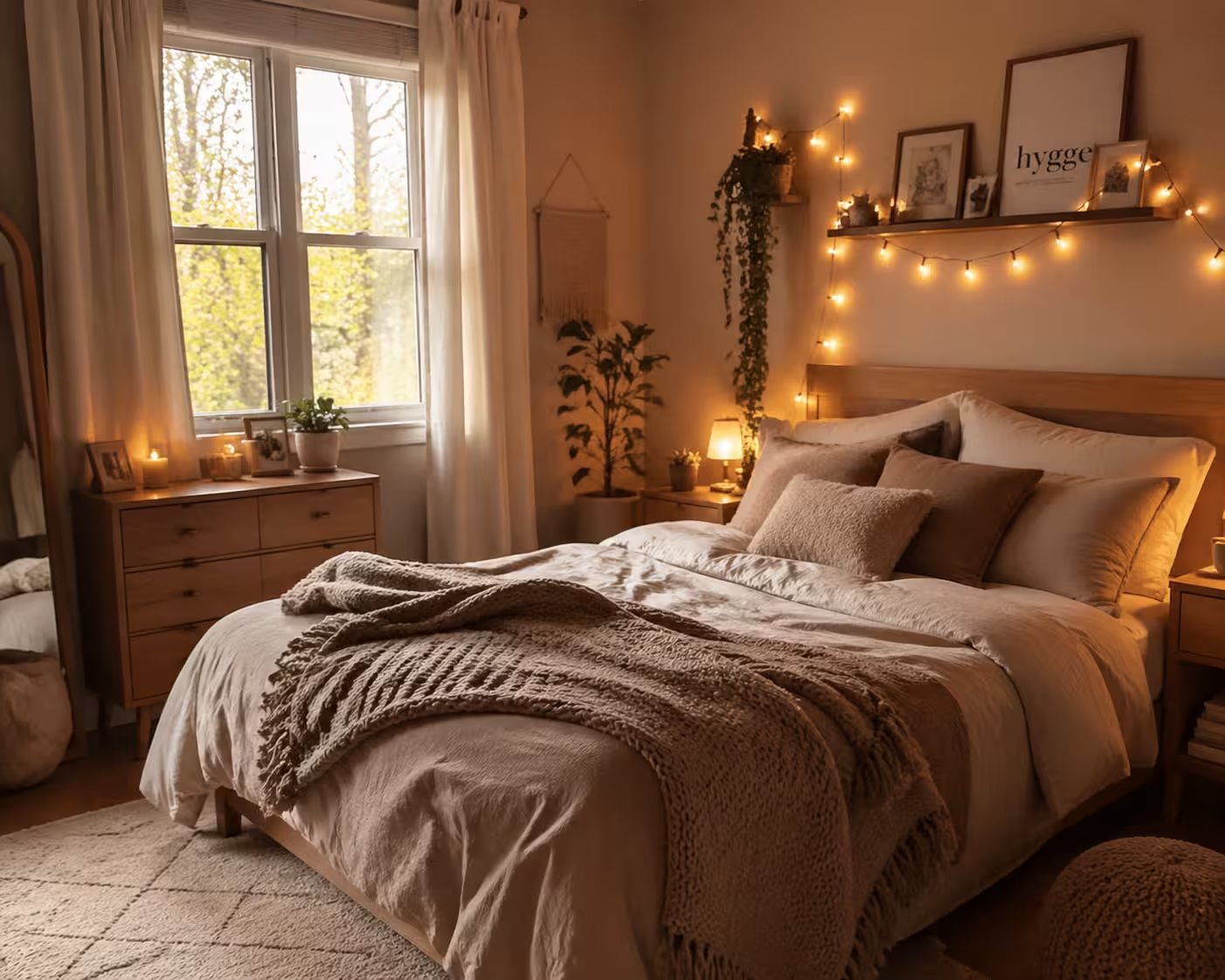
Texture makes a bedroom feel rich and comfortable. If a room feels unfinished, it may not need more objects. It may need more softness. Linen bedding, a wool rug, woven shades, velvet pillows, cotton curtains, cane furniture, boucle seating, or a quilt can make a simple room feel layered.
Texture is especially important in neutral bedrooms. Without texture, beige, white, and gray rooms can look flat. A cream room with a chunky knit throw, wood nightstands, a jute rug, and soft curtains feels much warmer than a room with only smooth surfaces.
Use Rugs to Define the Space
A rug under the bed can make the room feel grounded. In many bedrooms, a rug should extend beyond the sides and foot of the bed so your feet land on something soft. A rug that is too small can make the room feel disconnected.
If you already have carpet, you can still layer a rug for color, pattern, or texture. Flatweave rugs, wool rugs, and washable rugs are all useful depending on your lifestyle. A patterned rug can also hide wear better than a solid pale rug, which matters in homes with children or heavy foot traffic.
Bedroom Inspiration for a Modern Look
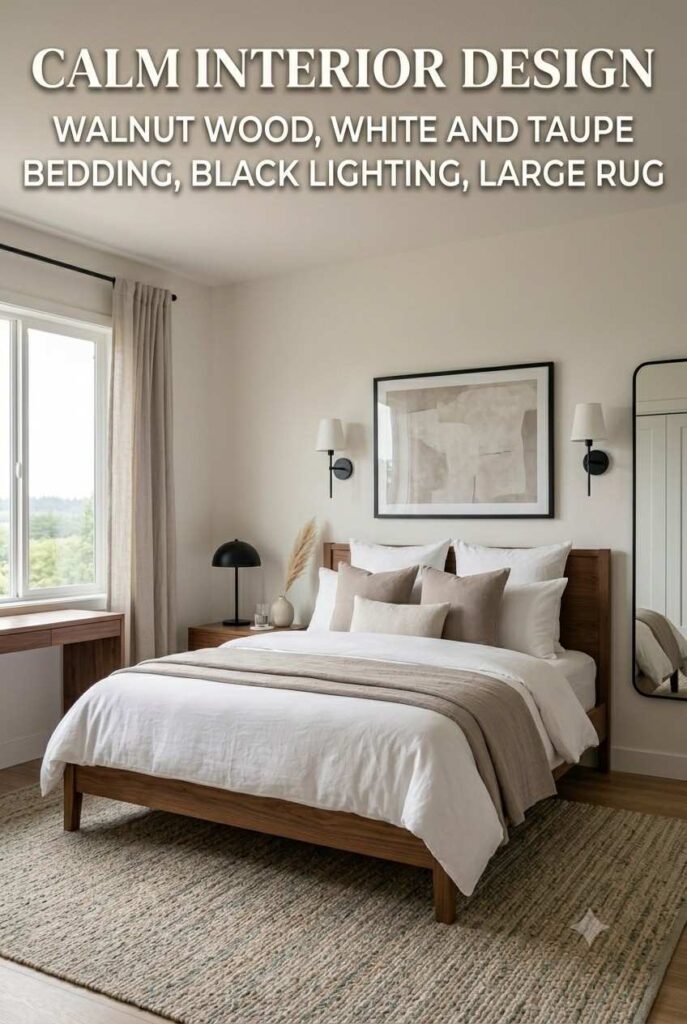
A modern bedroom does not have to feel cold. The best modern rooms use clean lines, simple shapes, quality materials, and calm color palettes. Choose furniture with smooth profiles, uncluttered surfaces, and balanced proportions. Then add warmth through bedding, wood, lighting, and art.
Black accents, walnut furniture, linen bedding, rounded lamps, and large-scale artwork can create a modern look without making the room feel empty. Avoid too many tiny decorative items. One strong lamp, one large art piece, and one sculptural vase can have more impact than a crowded dresser.
Keep Technology Quiet
Modern life brings phones, chargers, speakers, and sometimes televisions into the bedroom. These items can quickly interrupt the peaceful feeling of the space. Use cord organizers, charging drawers, lidded boxes, or nightstands with built-in outlets to keep technology controlled.
If you have a TV in the bedroom, consider a low-profile media unit or a wall mount with concealed cords. The goal is not to remove every device, but to keep the room from feeling like an office or entertainment center. Rest should remain the main purpose.
If you prefer breezy neutrals, layered linen, and refined seaside calm, read our ideas on coastal quiet luxury home ideas.
Bedroom Inspiration for a Cozy Cottage Feel
A cozy cottage bedroom feels collected, warm, and relaxed. It often includes painted furniture, quilts, floral prints, vintage lamps, woven baskets, soft curtains, and natural wood. The room should feel personal rather than perfect. Small imperfections can add charm.
To keep a cottage bedroom from feeling too busy, choose one main pattern and support it with smaller accents. For example, floral bedding can pair with plain curtains and a striped pillow. A patterned wallpaper can pair with simple white bedding. This gives the room character without visual overload.
Bring in Vintage Details
Vintage pieces add personality. A small antique dresser, brass lamp, framed landscape print, iron bed, or old wooden chair can make the bedroom feel lived-in. These details work well because they break up the sameness of new furniture sets.
You do not need to fill the room with antiques. One or two older pieces can be enough. Mix them with fresh bedding, clean walls, and modern lighting for balance. This creates a room that feels timeless instead of themed.
Create a Calm Guest Bedroom
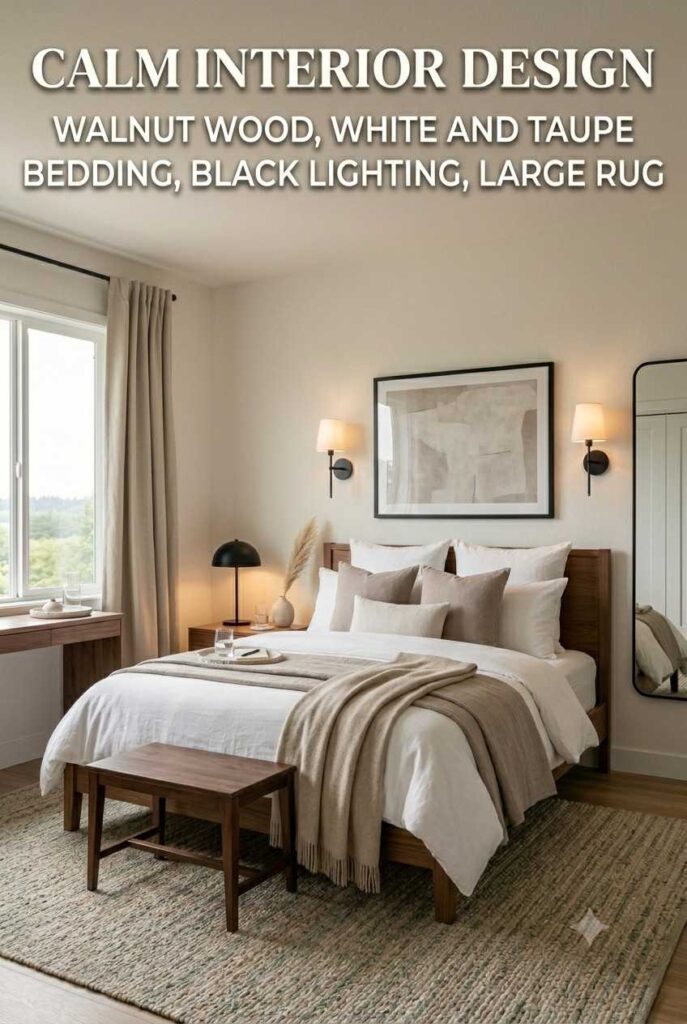
A guest bedroom should be welcoming and easy to use. Think about what a visitor needs: a comfortable bed, a place to set luggage, a lamp, privacy, clean bedding, empty drawers or shelves, and access to an outlet. These details matter more than expensive decor.
Keep the palette calm and widely appealing. Soft whites, warm grays, muted blues, sage, tan, and natural wood are safe choices. Add one or two personal touches, such as framed art, a small vase, or a cozy throw. Bedroom inspiration for guest rooms should feel thoughtful, not overly personal.
Add Practical Comforts
Blackout curtains can help guests sleep better. A small bench or luggage rack keeps bags off the floor. A tray on the nightstand can hold jewelry, glasses, or a phone. Extra blankets should be easy to find.
A guest room can also serve another purpose when no one is staying over. A daybed, sleeper sofa, Murphy bed, or compact desk can make the room more useful. The best guest rooms are flexible without feeling temporary.
For more home styling guides, room makeovers, and practical decor advice, visit outinteriors.
Make the Primary Bedroom Feel Like a Retreat
A primary bedroom should feel more finished than a storage room with a bed. Start by removing items that belong elsewhere. Laundry piles, paperwork, exercise equipment, and random boxes can make the room feel stressful. Once the room is clear, it is easier to see what it needs.
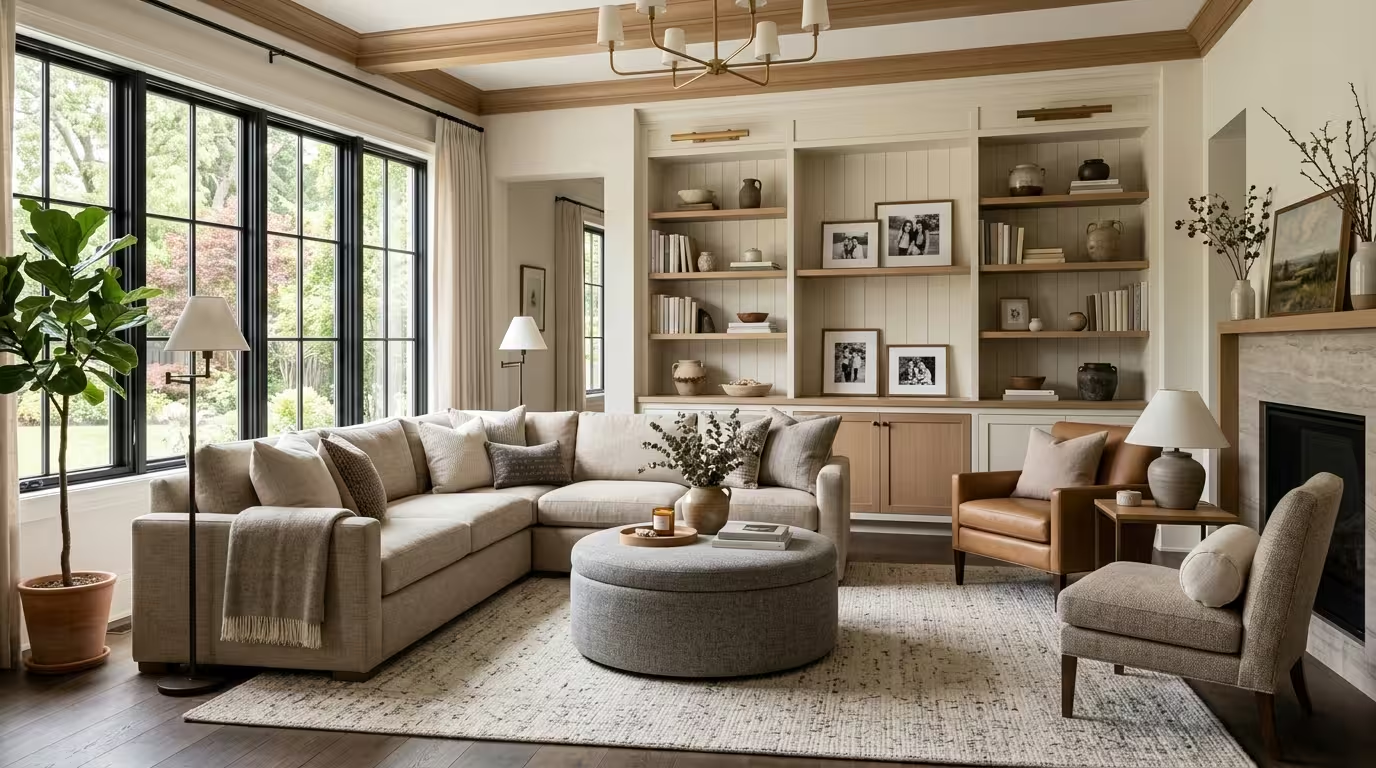
Consider adding a sitting corner if space allows. A small chair, floor lamp, and side table can create a quiet reading area. If the room is large, a bench at the foot of the bed can make the layout feel complete. If the room is small, focus on better bedding, lighting, and nightstand organization.
Use Drapery for Softness
Curtains can make a bedroom feel taller, softer, and more private. Hang them close to the ceiling when possible, and let them reach the floor for a finished look. This works in both traditional and modern rooms.
Layered window treatments are useful in bedrooms. A woven shade can filter daylight, while curtains add privacy and softness. In rooms that get strong sun, blackout lining can protect sleep and help control heat. Good window treatments are both decorative and practical.
Bedroom Inspiration for Renters
Renters can still create a beautiful bedroom without permanent changes. Peel-and-stick wallpaper, plug-in sconces, washable rugs, removable hooks, freestanding headboards, and tension curtain rods can all make a big difference. Choose upgrades you can take with you when you move.
Focus on items that create impact without damaging walls or floors. Bedding, lamps, art, curtains, mirrors, and rugs are renter-friendly and easy to change. A large mirror leaning against the wall can brighten the room. A fabric headboard can add comfort even if the bed frame is simple.
Use Removable Color
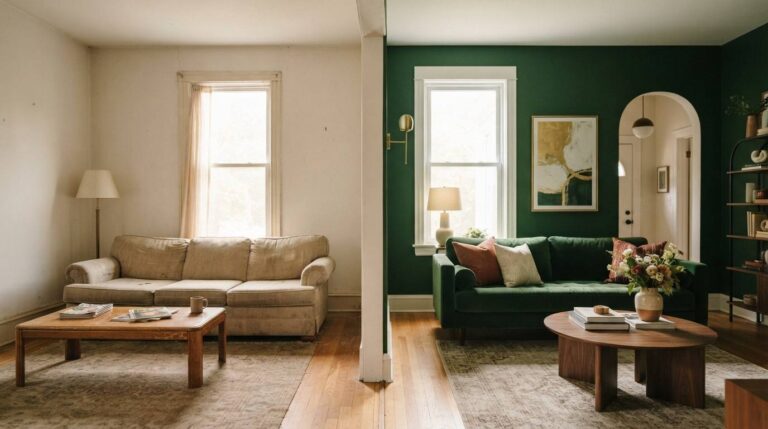
If painting is not allowed, use color through textiles and art. A rust quilt, blue curtains, green pillows, or a patterned rug can change the whole mood. Removable wallpaper behind the bed can create a statement wall without a long-term commitment.
Renter-friendly bedroom inspiration works best when the room feels intentional. Even if the furniture is basic, matching the tones of bedding, curtains, and art can make the space feel designed. Small changes can carry a lot of visual weight.
Storage That Looks Good
Storage is one of the biggest differences between a pretty bedroom and a bedroom that works. Closed storage is best for everyday clutter. Dressers, nightstands with drawers, storage beds, baskets with lids, and closet systems can keep the room calm.
Open shelves should be styled carefully. Use them for a few attractive items, not everything you own. Books, boxes, ceramics, and folded blankets can look beautiful when arranged with breathing room. Too much open storage can make the bedroom feel busy.
Organize the Nightstand
A nightstand should support your evening routine. Keep only what you use: a lamp, book, water glass, phone charger, lip balm, or small tray. Store extras in a drawer. If the surface is covered with random items, the room will feel less peaceful.
In a small bedroom, a wall shelf can replace a traditional nightstand. In a larger room, a chest or small dresser can work as a nightstand and provide extra storage. Choose the solution that fits your space, not just the one that looks good in a photo.
Add Art With Meaning
Art gives a bedroom personality. It does not have to be expensive. Framed prints, family photographs, textile art, vintage posters, landscapes, sketches, and handmade pieces can all work. Choose art that feels peaceful or personally meaningful.
The wall above the bed is a natural place for art, but it is not the only option. You can place art above a dresser, beside a window, or in a reading corner. If your headboard is tall or decorative, keep the art simple. If the bed is plain, a larger art piece can become the focal point.
Avoid Overcrowding the Walls
Not every wall needs decoration. Space can make a bedroom feel calmer. If the room has patterned bedding, textured curtains, and a large rug, simple walls may be best. If the room is mostly plain, art can bring warmth and interest.
A good rule is to create one strong focal point. It might be the bed, a wall color, a large artwork, a dramatic light fixture, or beautiful curtains. When every surface competes for attention, the room can feel restless.
Natural Materials Make the Room Feel Grounded
Wood, cotton, linen, wool, rattan, stone, clay, and leather bring natural warmth to a bedroom. These materials age well and work across many design styles. A wood nightstand can soften a modern room. Linen bedding can relax a formal bed. A wool rug can make a simple room feel more substantial.
Natural materials also mix well with different color palettes. They can warm up cool blues and grays, balance dark walls, and add depth to neutral rooms. Bedroom inspiration that includes natural textures often feels more timeless than rooms built only around trendy colors.
Budget-Friendly Bedroom Updates
You do not need to replace everything at once. Start with the changes that affect the room most: bedding, lighting, curtains, rug, and clutter control. A new duvet cover, better lamps, and floor-length curtains can make a bedroom feel dramatically better.
Paint is another affordable upgrade if you own the home or have permission. Even painting one wall, the trim, or a secondhand dresser can refresh the space. Changing drawer pulls, adding a mirror, or replacing a lampshade can also make older furniture feel new.
Spend Where It Matters
If you have a limited budget, spend more on comfort and daily use. A supportive mattress, quality sheets, good pillows, and proper window coverings are worth prioritizing. Decorative items can be added slowly.
Save money by shopping vintage, repurposing furniture, using simple frames, and layering affordable textiles. A room does not need to be expensive to feel beautiful. It needs to be clean, comfortable, balanced, and personal.
Common Bedroom Mistakes to Avoid
One common mistake is buying matching furniture sets without considering the room’s character. Matching sets can look flat if every piece has the same finish and shape. Mixing a wood bed with painted nightstands or pairing a modern dresser with a vintage mirror can feel more natural.
Another mistake is using only overhead lighting. This creates harsh shadows and makes the room less relaxing. Add lamps or sconces at eye level. Also avoid rugs that are too small, curtains that are too short, and bedding that is too thin for the bed size.
Do Not Ignore Scale
Scale matters in every bedroom. A tiny lamp on a large nightstand can look awkward. A huge bed in a narrow room can make movement difficult. Small art above a large headboard can feel lost. Before buying, measure the wall, bed, walkway, and furniture.
A good scale makes the room feel comfortable. Furniture should fit the room and leave enough space to move. Decor should support the main pieces instead of fighting them. This is where practical planning turns bedroom inspiration into a room that truly works.
How to Build Your Own Bedroom Plan
Begin with a simple list. Write down what must stay, what can go, what you need to store, and what feeling you want. Then choose a palette of two or three main colors. Pick your bed style, bedding texture, lighting plan, and window treatment before buying small decor.
Next, decide on one focal point. It may be the headboard, wallpaper, artwork, wall color, or curtains. Build around that choice. Add texture through bedding, rug, and soft furnishings. Finish with personal details, but keep surfaces edited.
A Simple Bedroom Formula
A reliable bedroom formula includes a comfortable bed, two useful bedside areas, layered lighting, soft window treatments, a rug or warm flooring, closed storage, and one personal focal point. This works for many room sizes and styles.
Once those basics are right, the room becomes easier to personalize. You can lean modern, rustic, coastal, traditional, romantic, or minimal. The foundation stays practical, while the style changes through color, pattern, and materials.
Conclusion:
The best bedroom inspiration is not about copying a perfect room. It is about understanding why a room feels good and adapting those ideas to your own home. A restful bedroom needs comfort, thoughtful lighting, useful storage, soft textures, and colors that support the mood you want.
Whether your space is small, rented, shared, modern, vintage, or still unfinished, you can improve it step by step. Start with the bed, simplify the clutter, add better lighting, choose calming colors, and bring in texture. When beauty and function work together, your bedroom becomes more than a place to sleep. It becomes a personal retreat you look forward to every day.
Frequently asked questions:
What is the easiest way to refresh a bedroom?
The easiest refresh is to update bedding, improve lighting, clear clutter, and add one soft texture such as curtains, a rug, or a throw. These changes are simple but highly visible. They can make the room feel cleaner, warmer, and more finished without replacing major furniture.
What colors are best for a relaxing bedroom?
Soft neutrals, warm whites, muted blues, sage green, taupe, beige, clay, and gentle gray are common relaxing choices. Darker shades like navy, olive, and chocolate brown can also feel calm when balanced with soft bedding, warm lighting, and natural textures.
How can I make a small bedroom look bigger?
Use lighter colors, keep furniture proportional, choose pieces with visible legs, hang curtains high, add mirrors, and reduce visual clutter. Wall-mounted lights and floating shelves can also save floor and surface space. A larger rug can make the room feel more connected.
How do I make my bedroom look expensive on a budget?
Focus on neat bedding, full-length curtains, warm lamps, a clean color palette, and fewer decorative items. Replace basic hardware, add a large mirror, and use matching pillow inserts that fill their covers. A calm, edited room often looks more refined than a crowded one.
Should bedroom furniture match?
Bedroom furniture does not have to match. In many cases, mixed furniture looks more personal and stylish. Keep the pieces connected through color, material, shape, or finish. For example, different nightstands can work if they share a similar height or tone.
What should every guest bedroom include?
A guest bedroom should include comfortable bedding, bedside lighting, privacy, accessible outlets, a place for luggage, and some empty storage. Extra blankets, blackout curtains, and a small tray on the nightstand can make guests feel more comfortable.
How often should I update my bedroom decor?
There is no fixed rule. Update your bedroom when it no longer supports your comfort, storage needs, or personal style. Small seasonal changes, such as lighter bedding in summer and warmer layers in winter, can keep the room feeling fresh without constant redecorating.